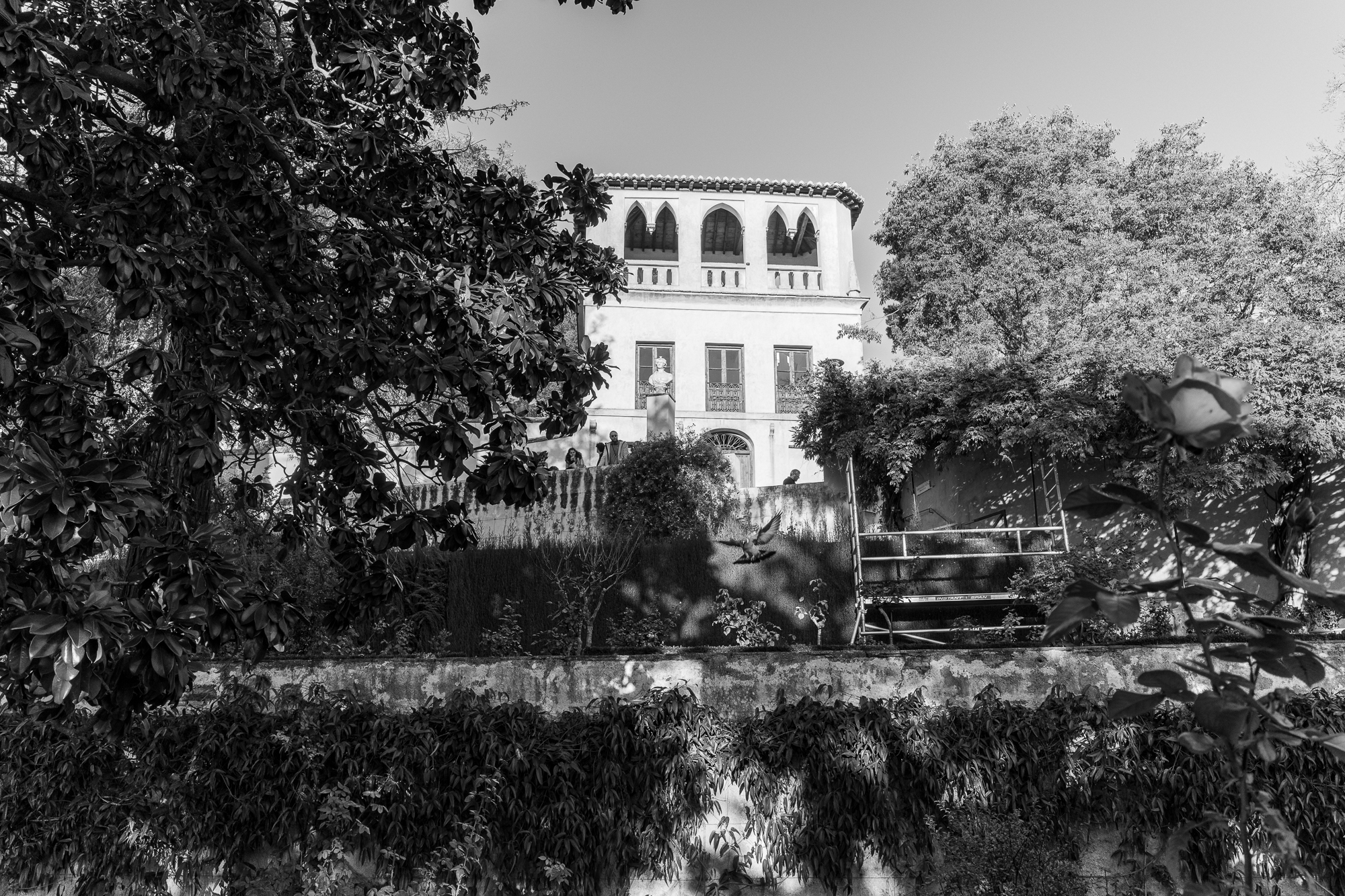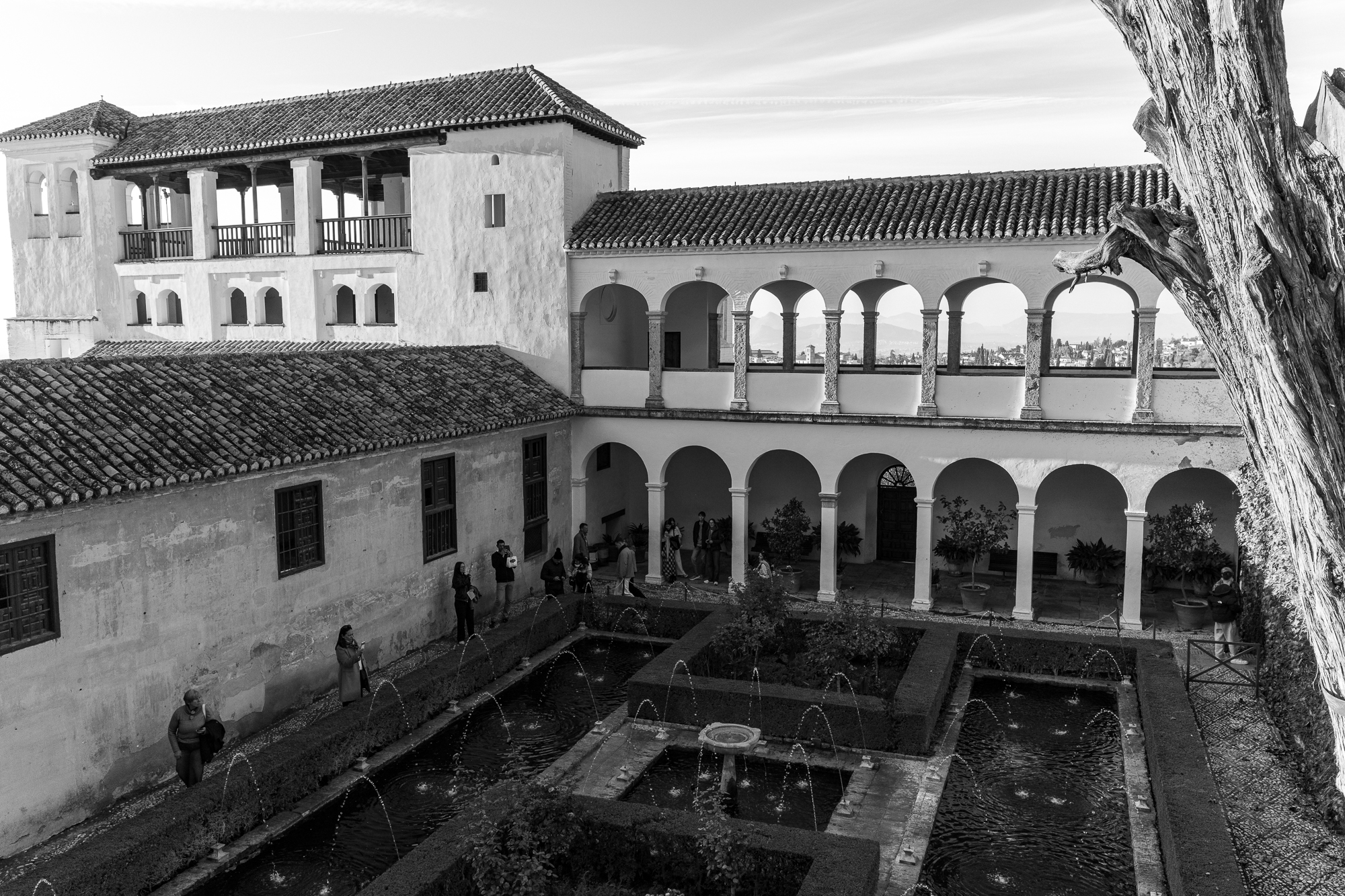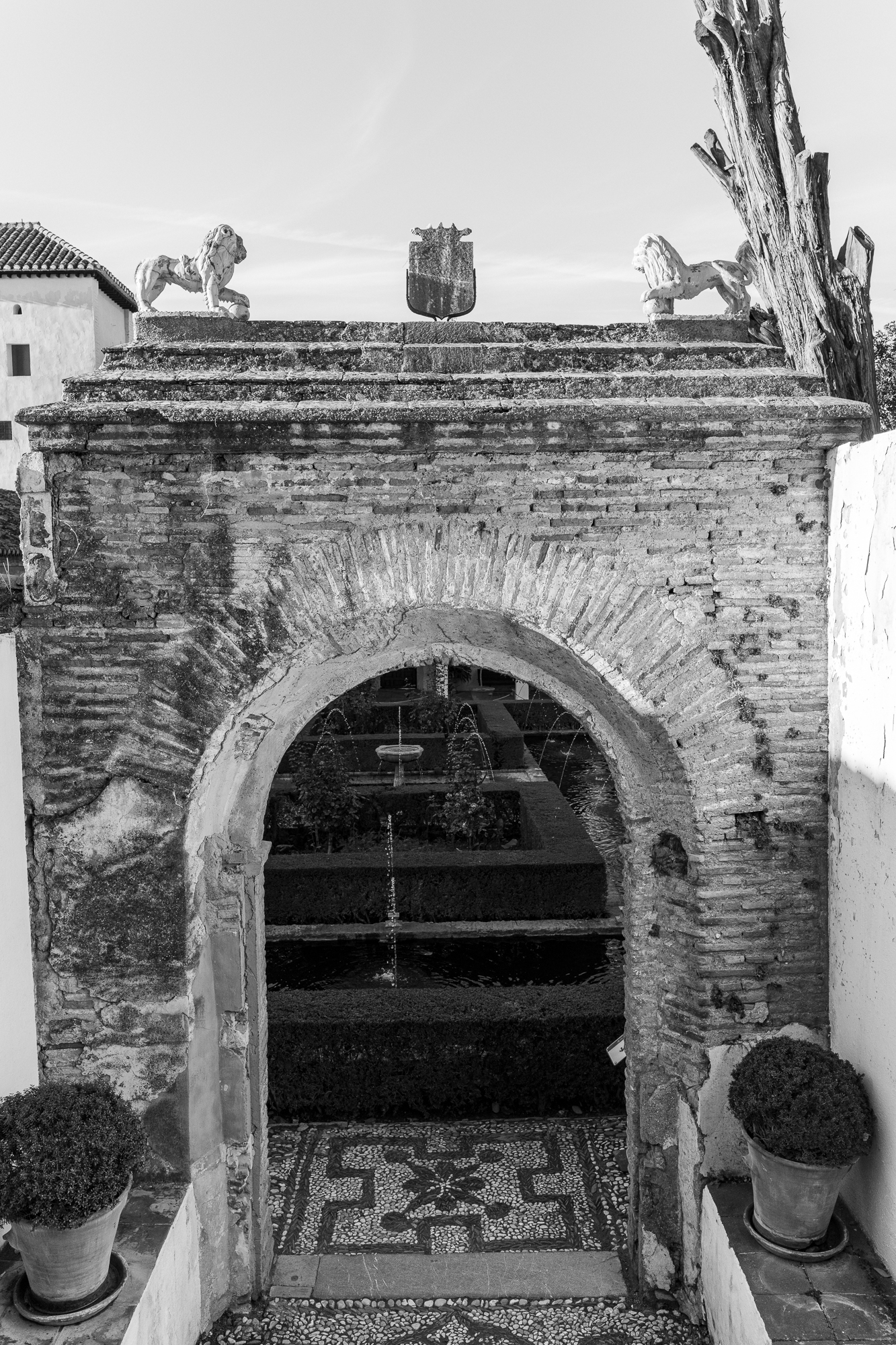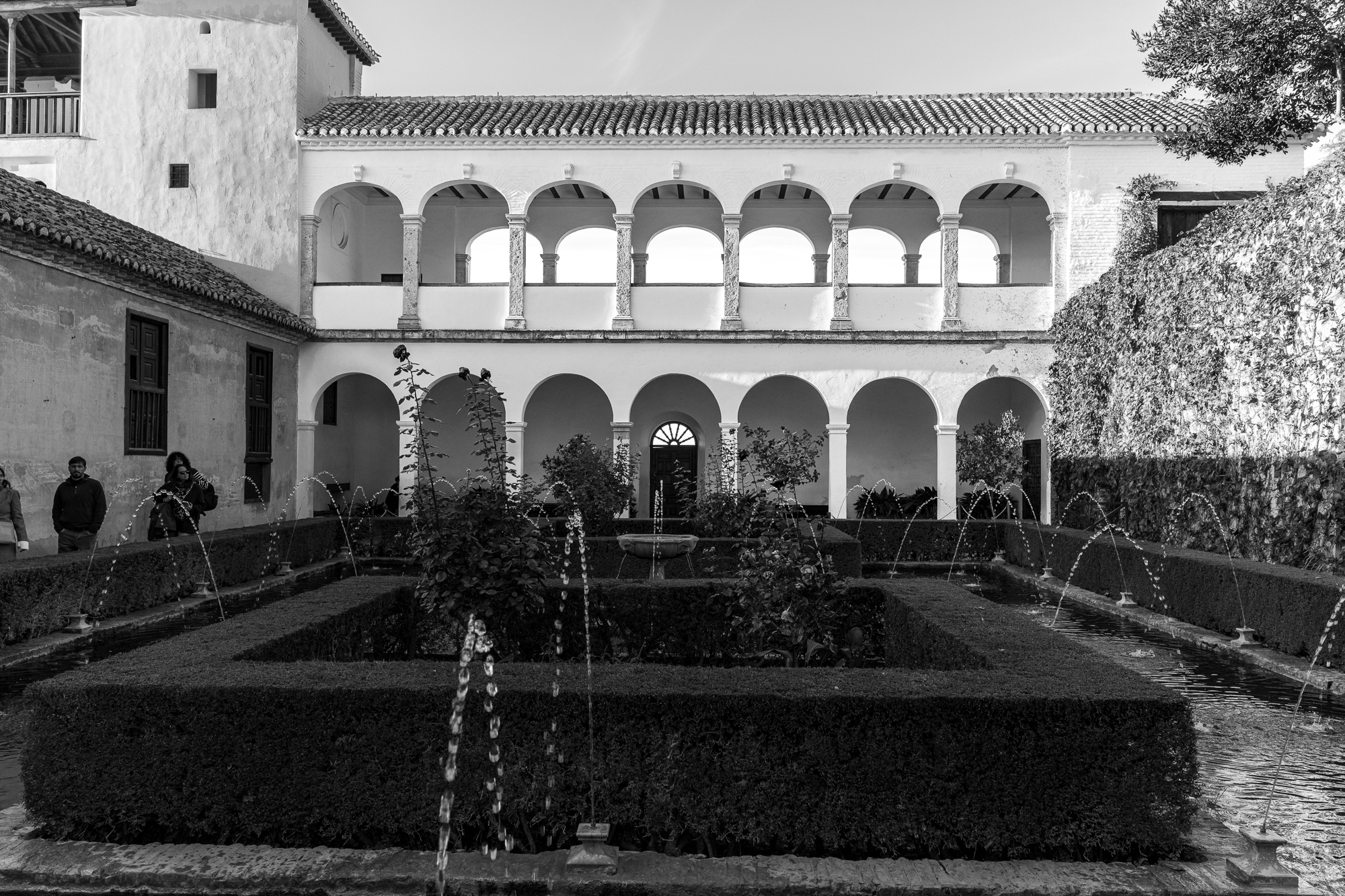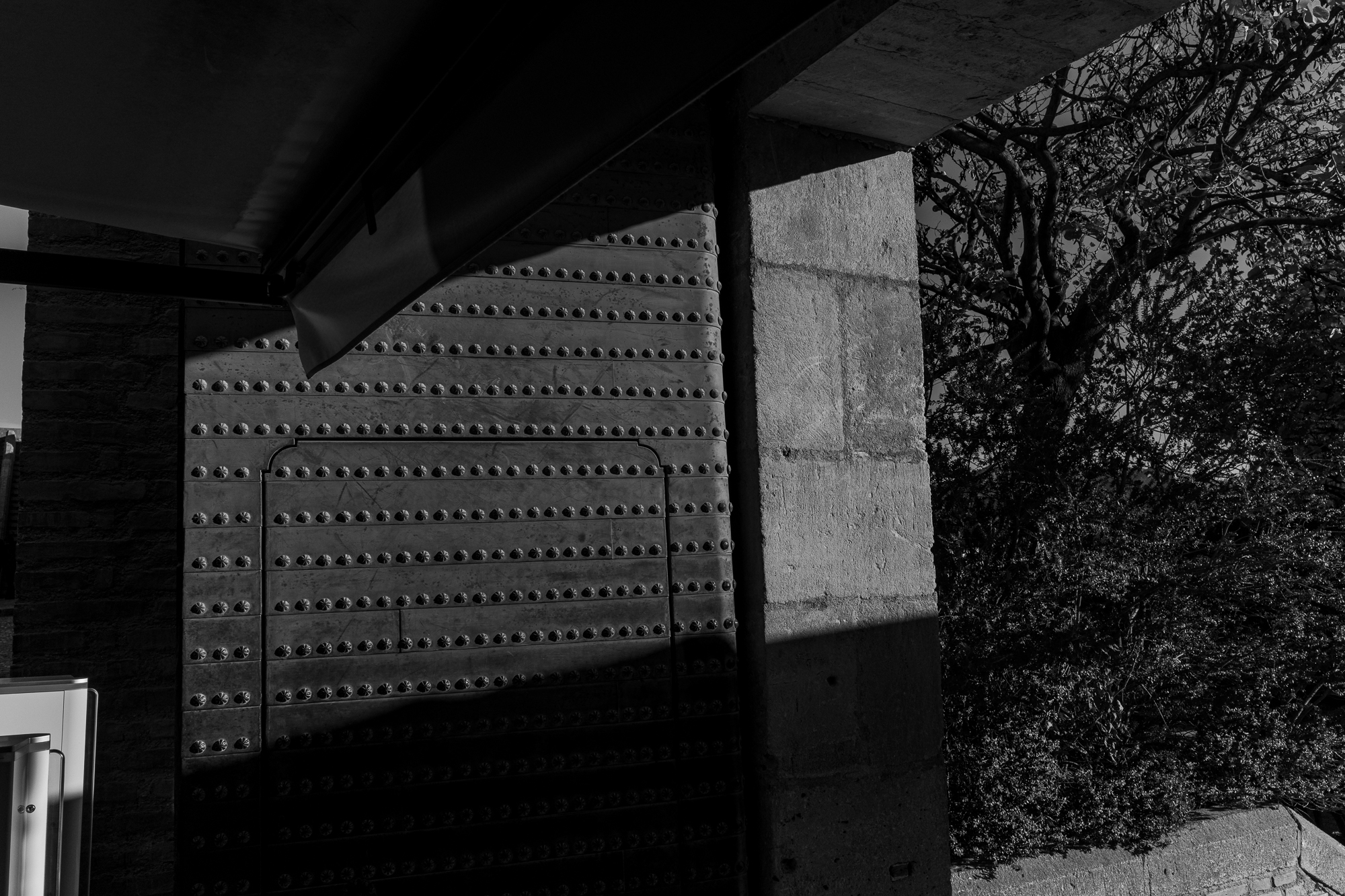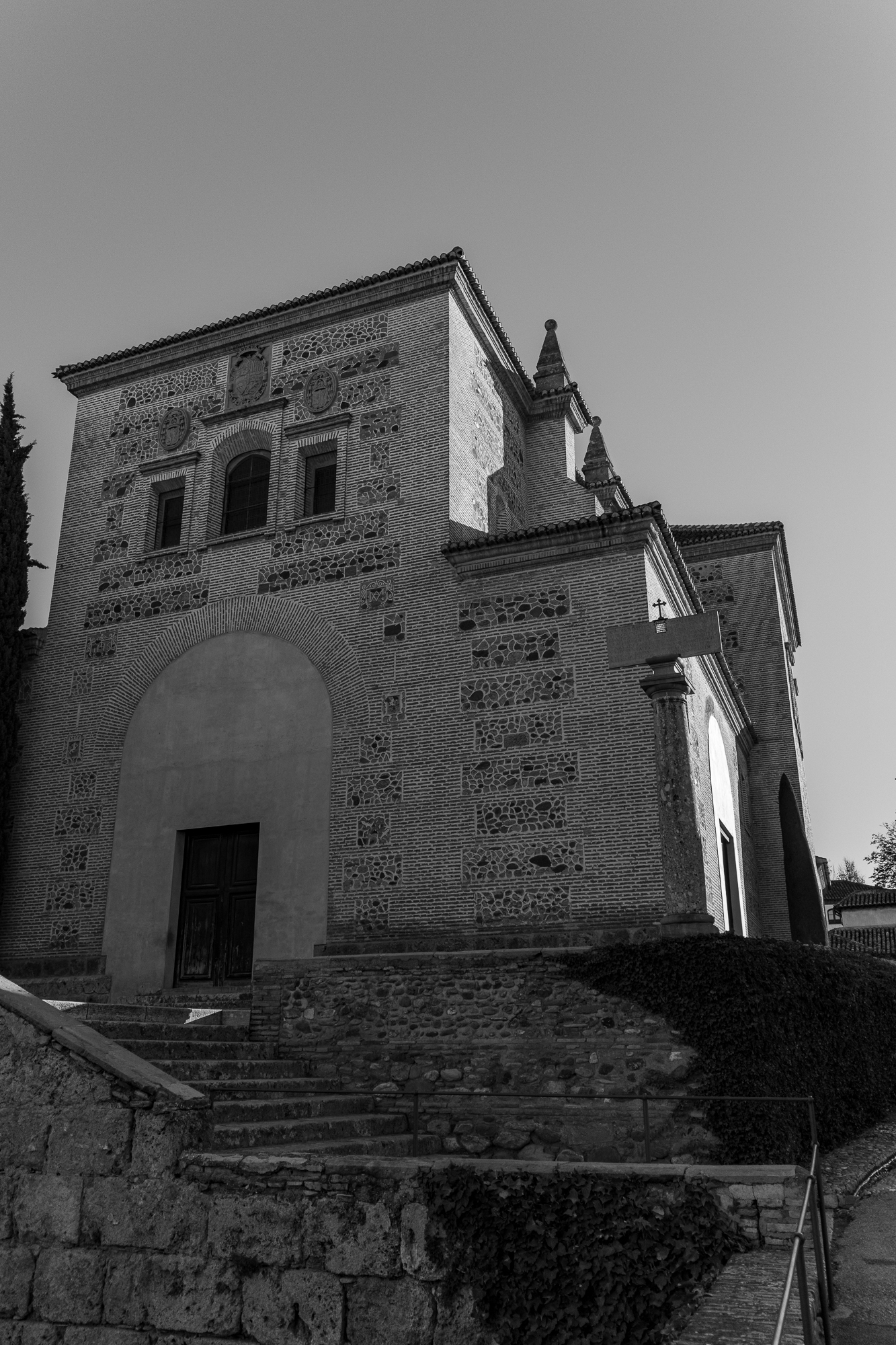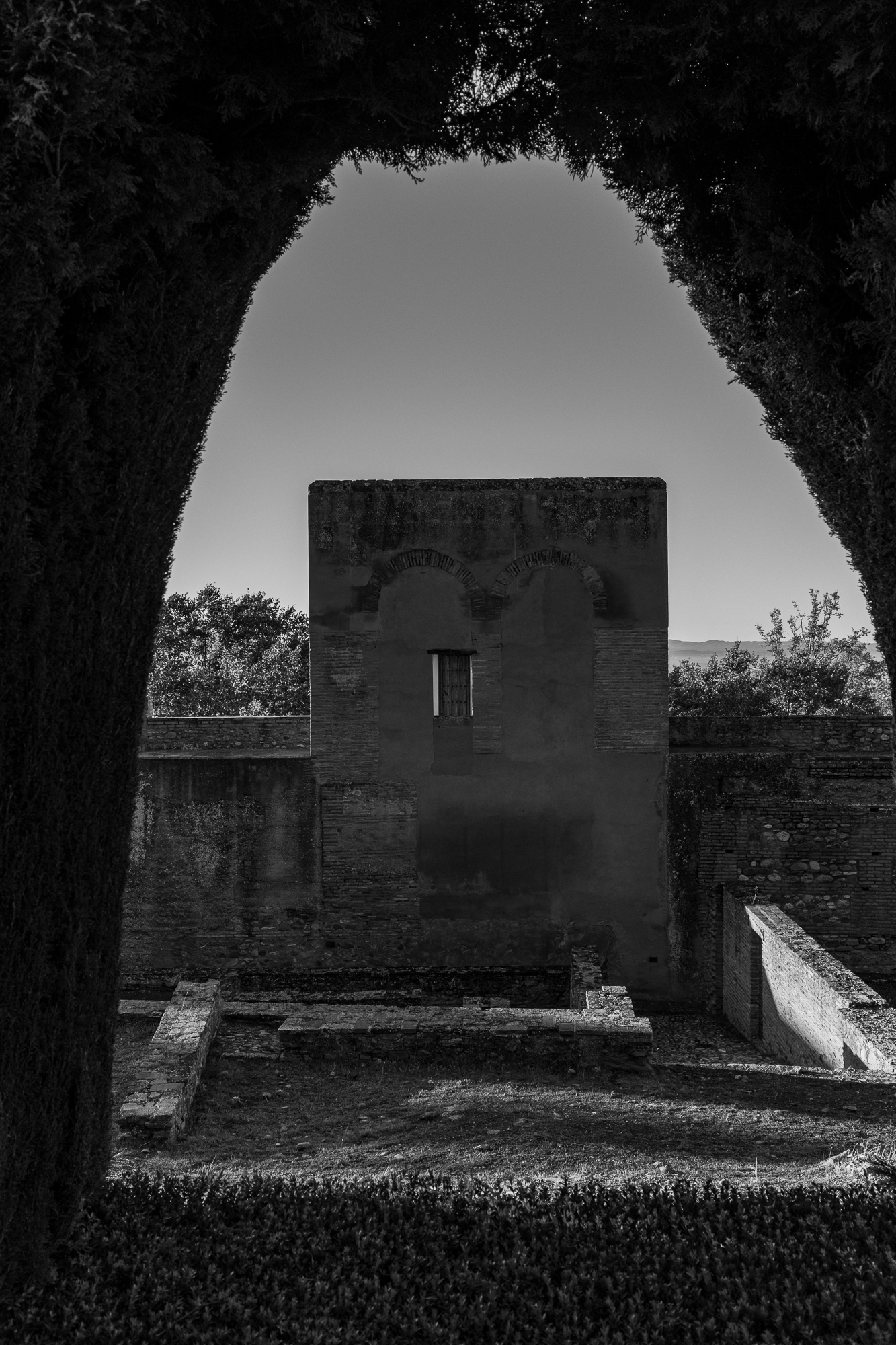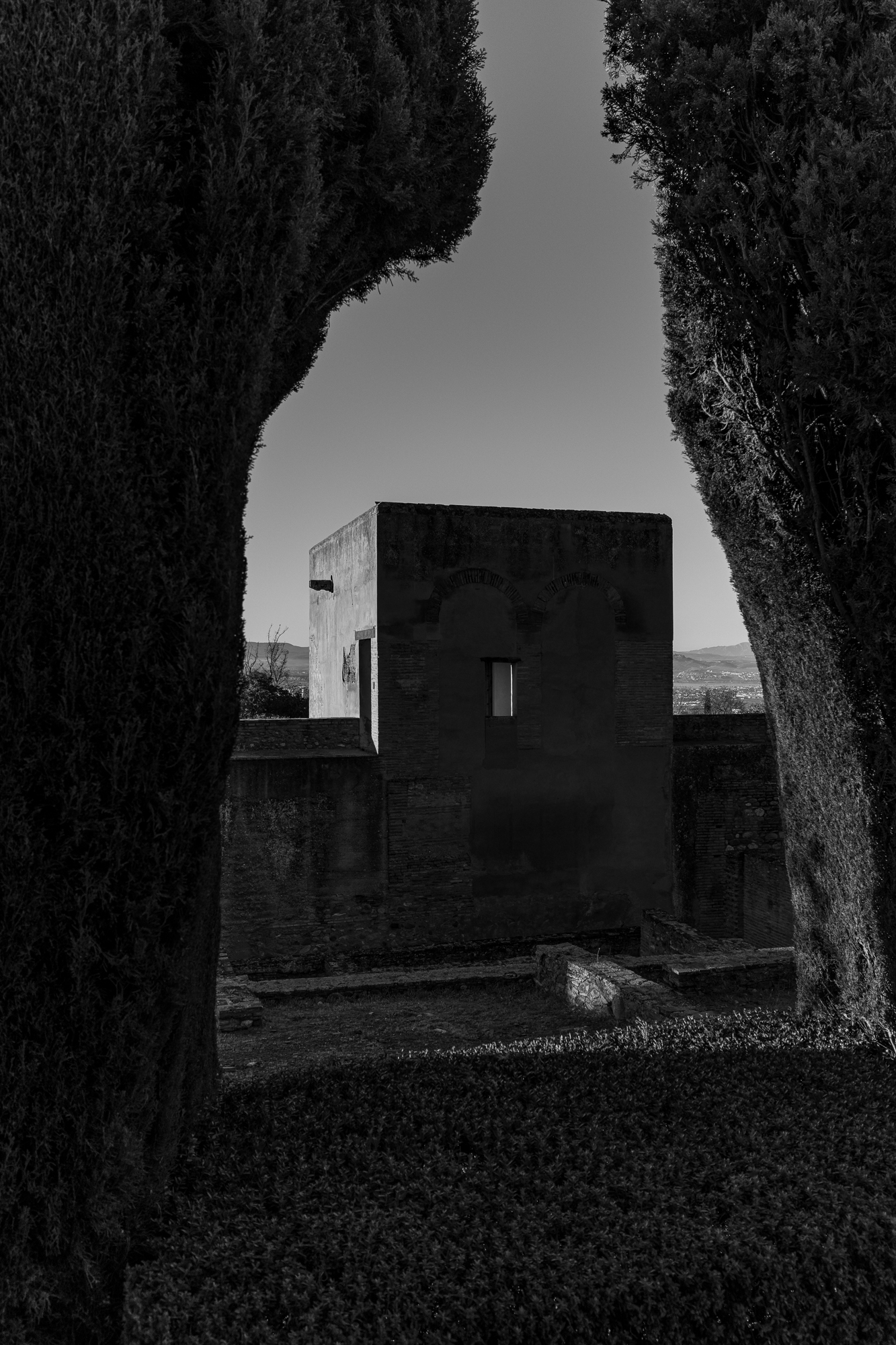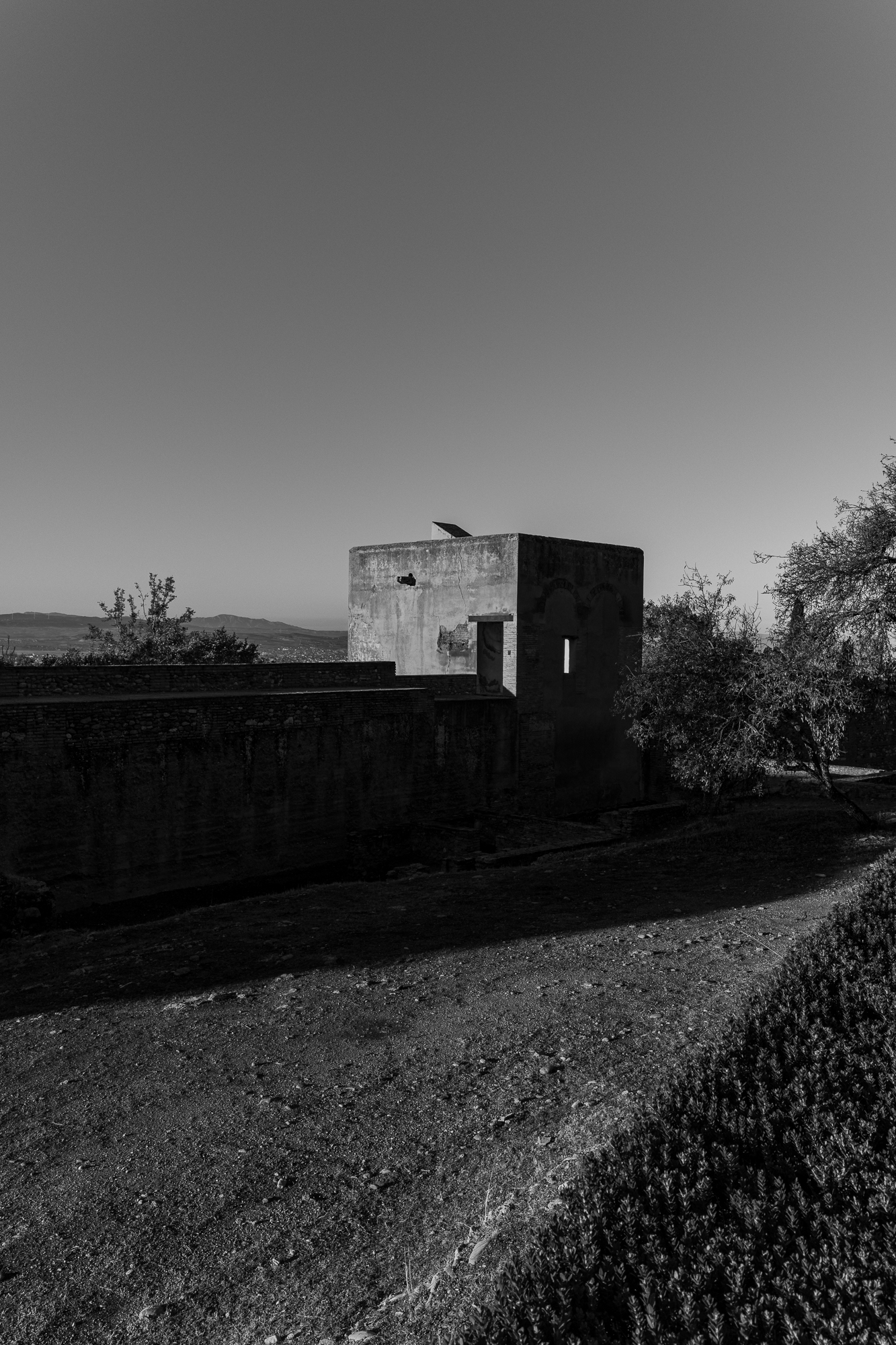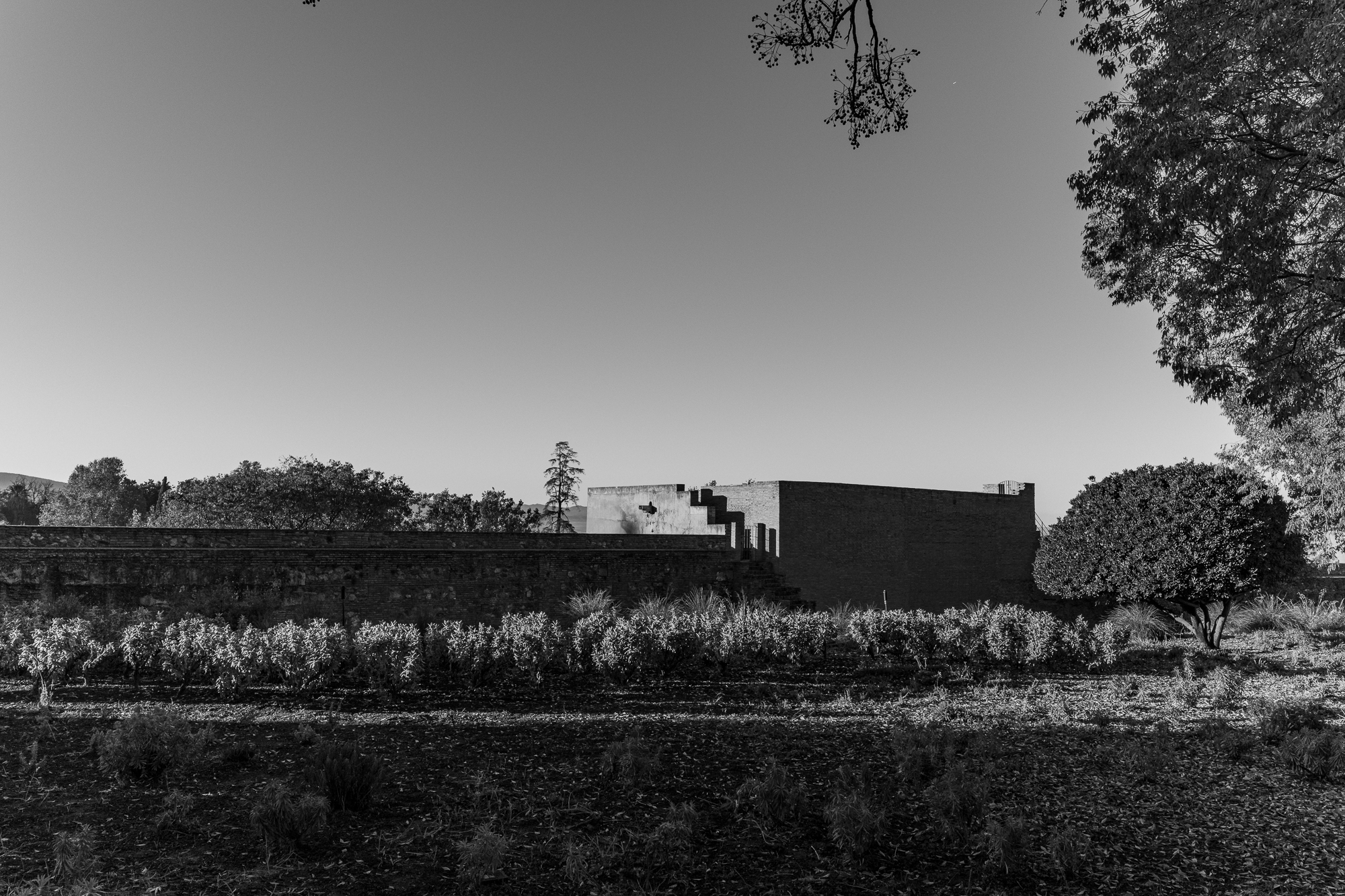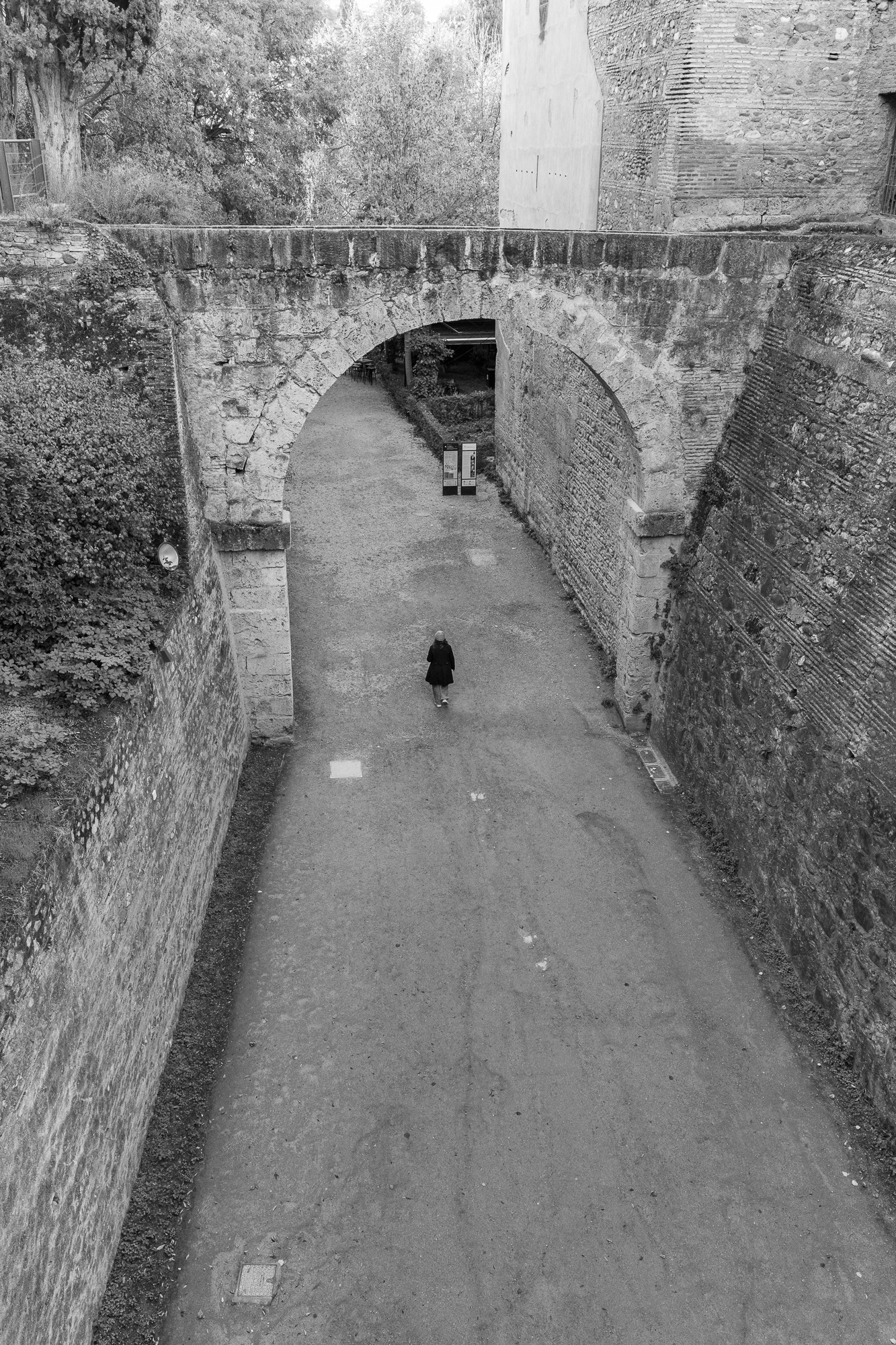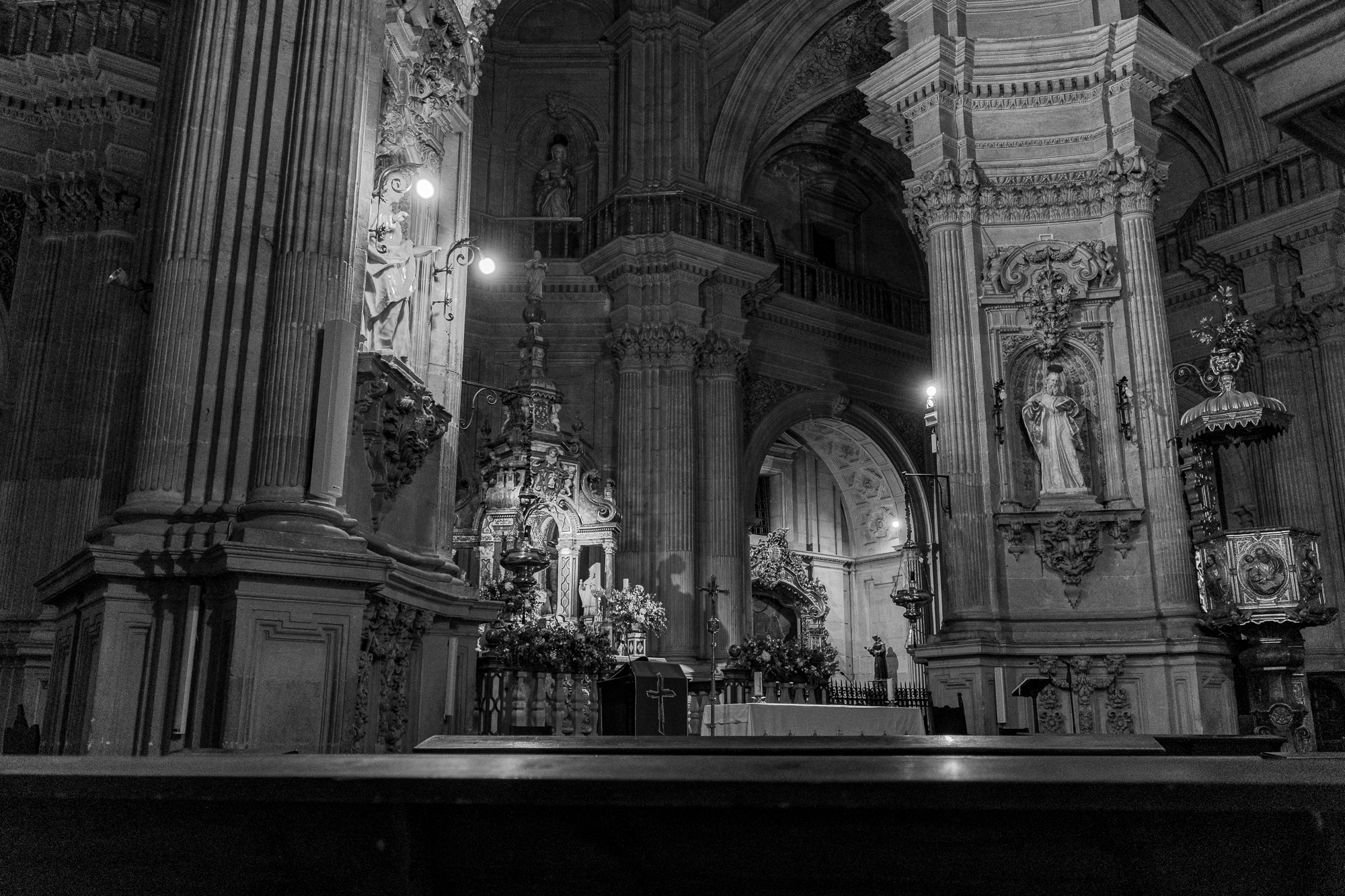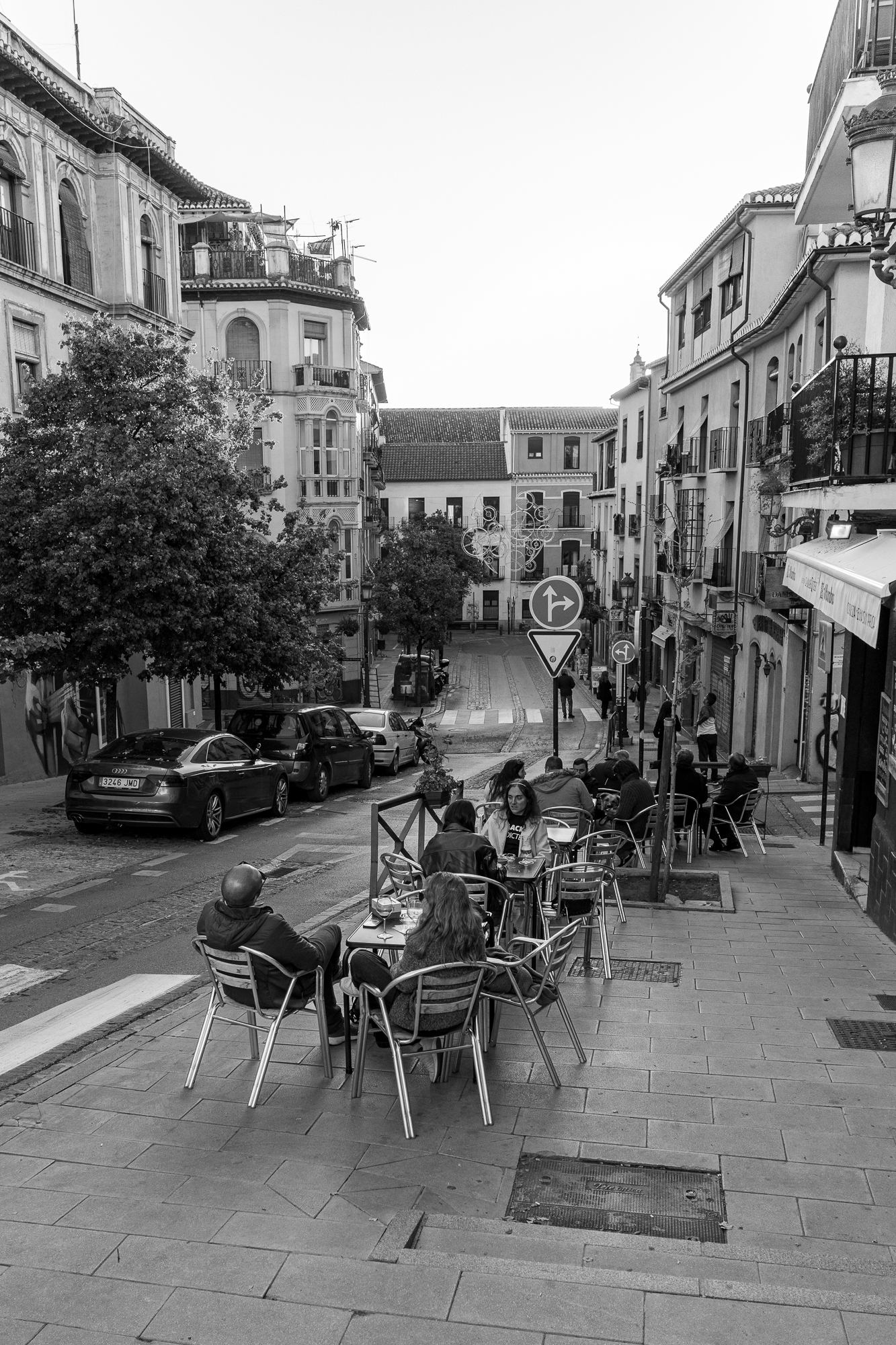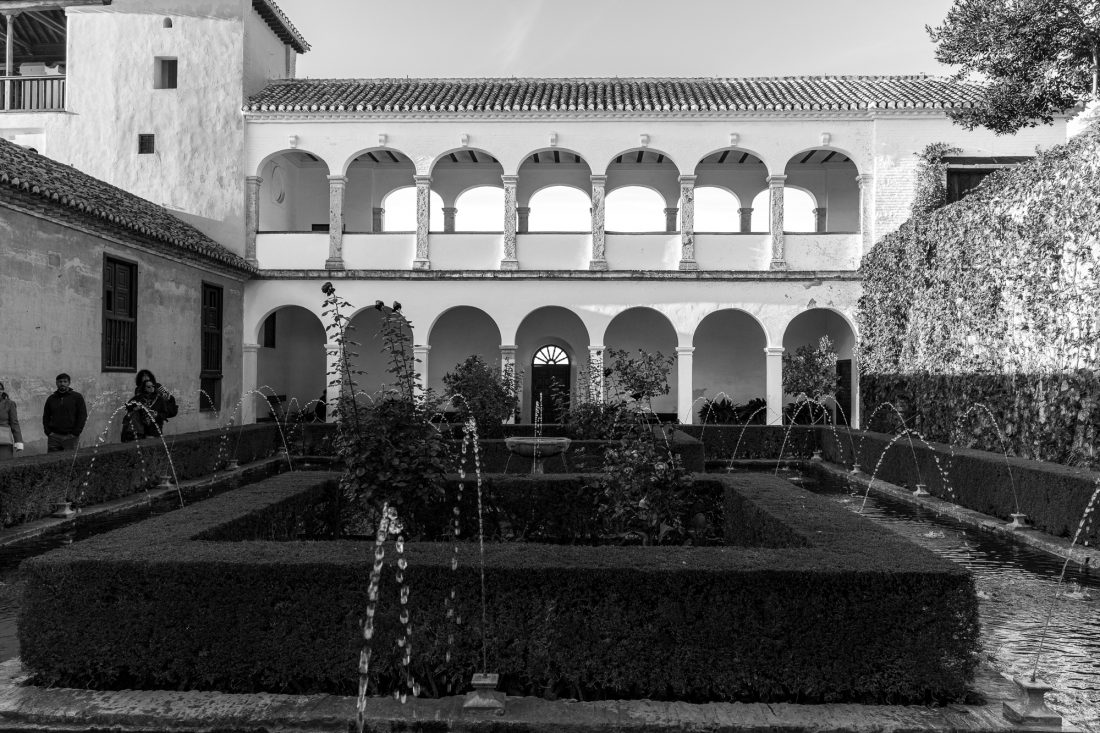
Granada in winter
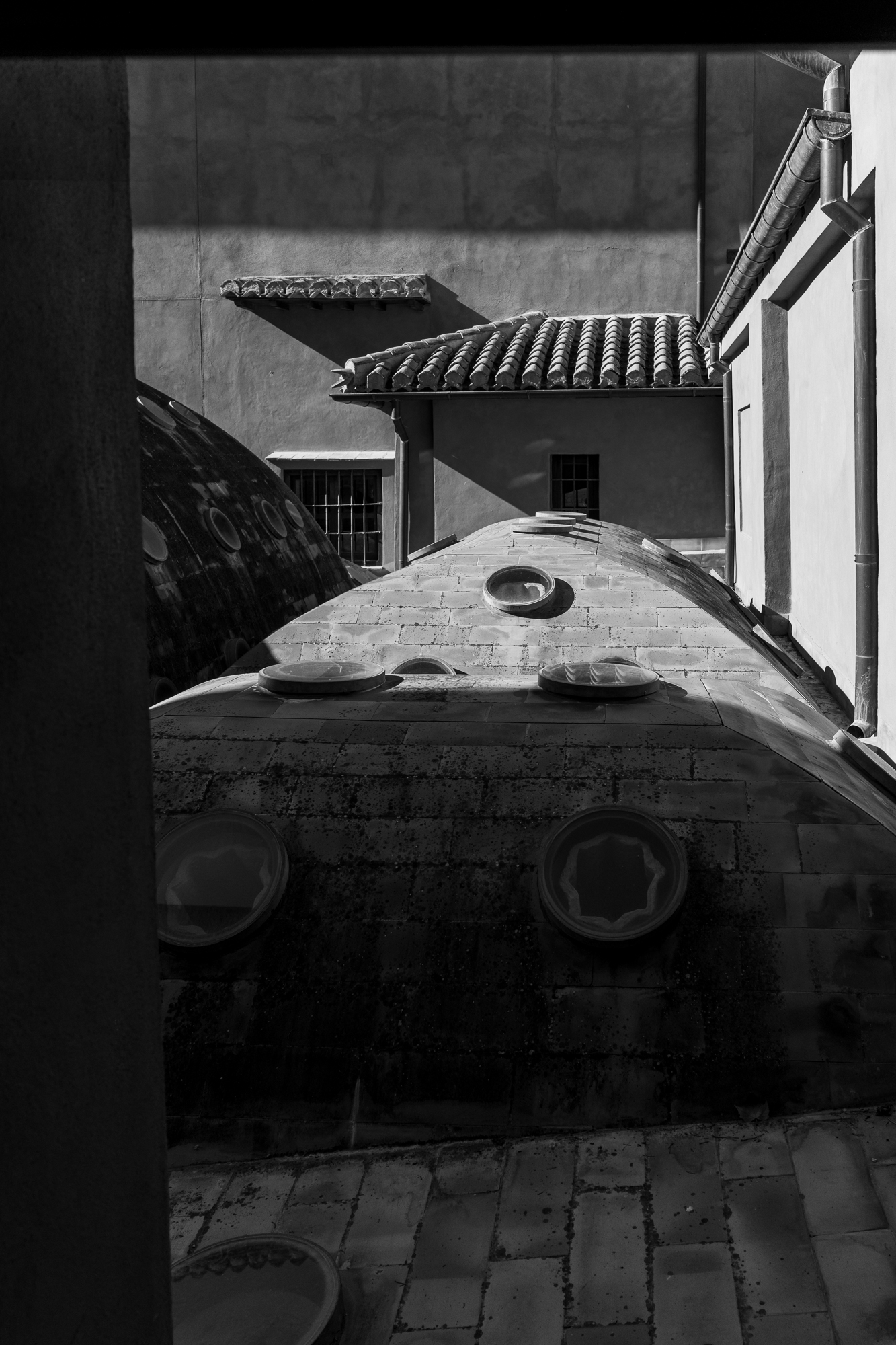
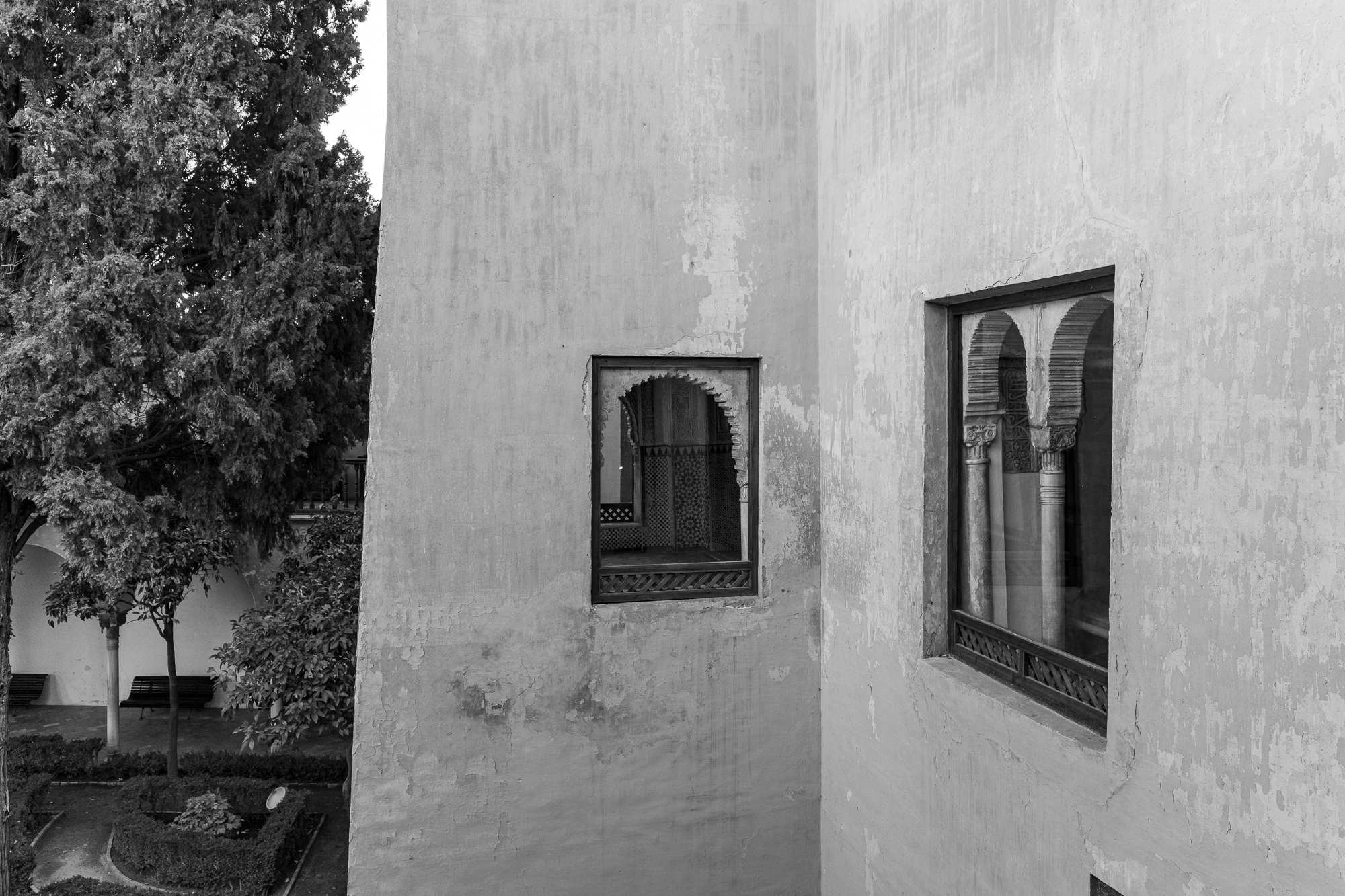
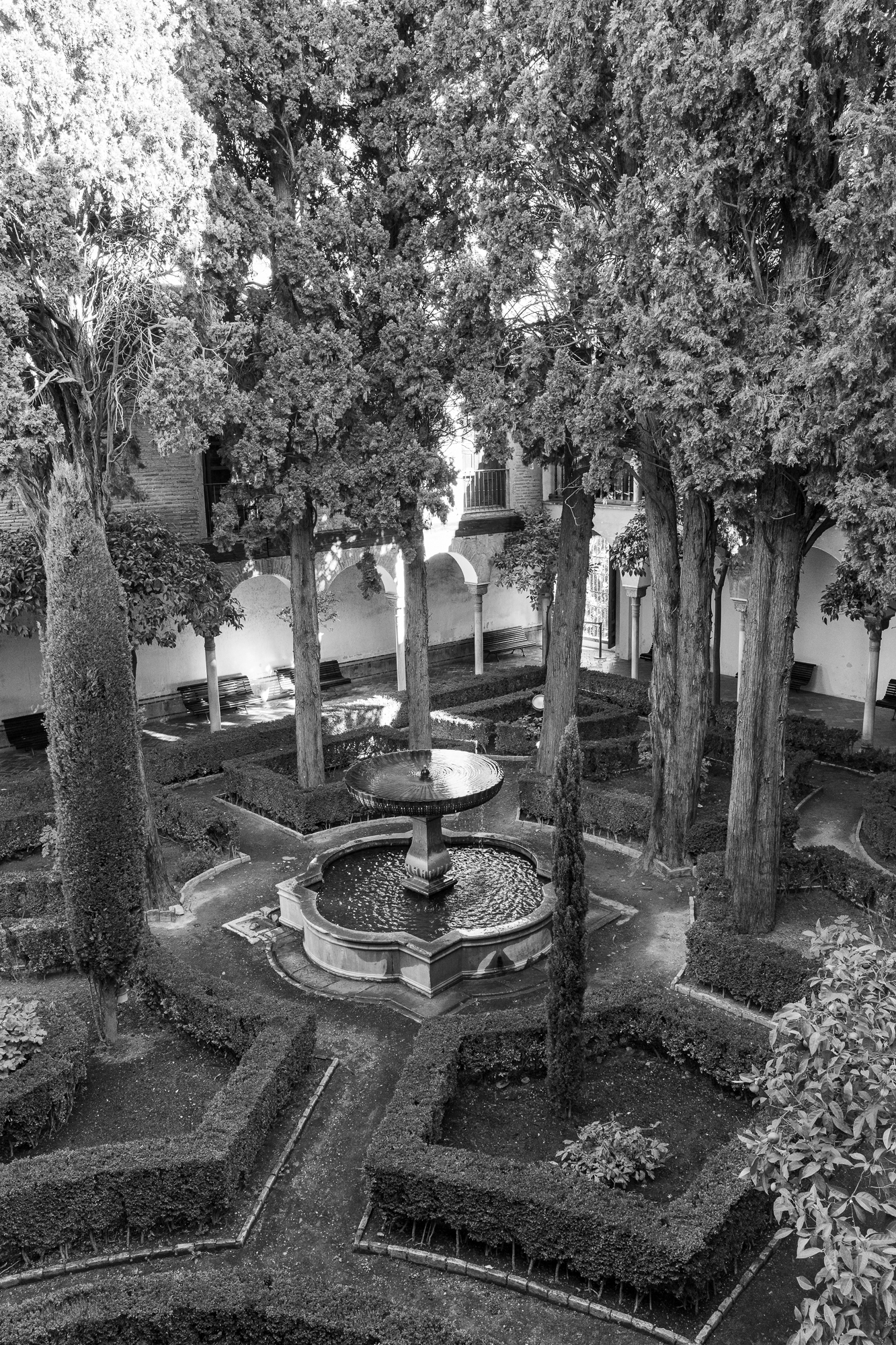
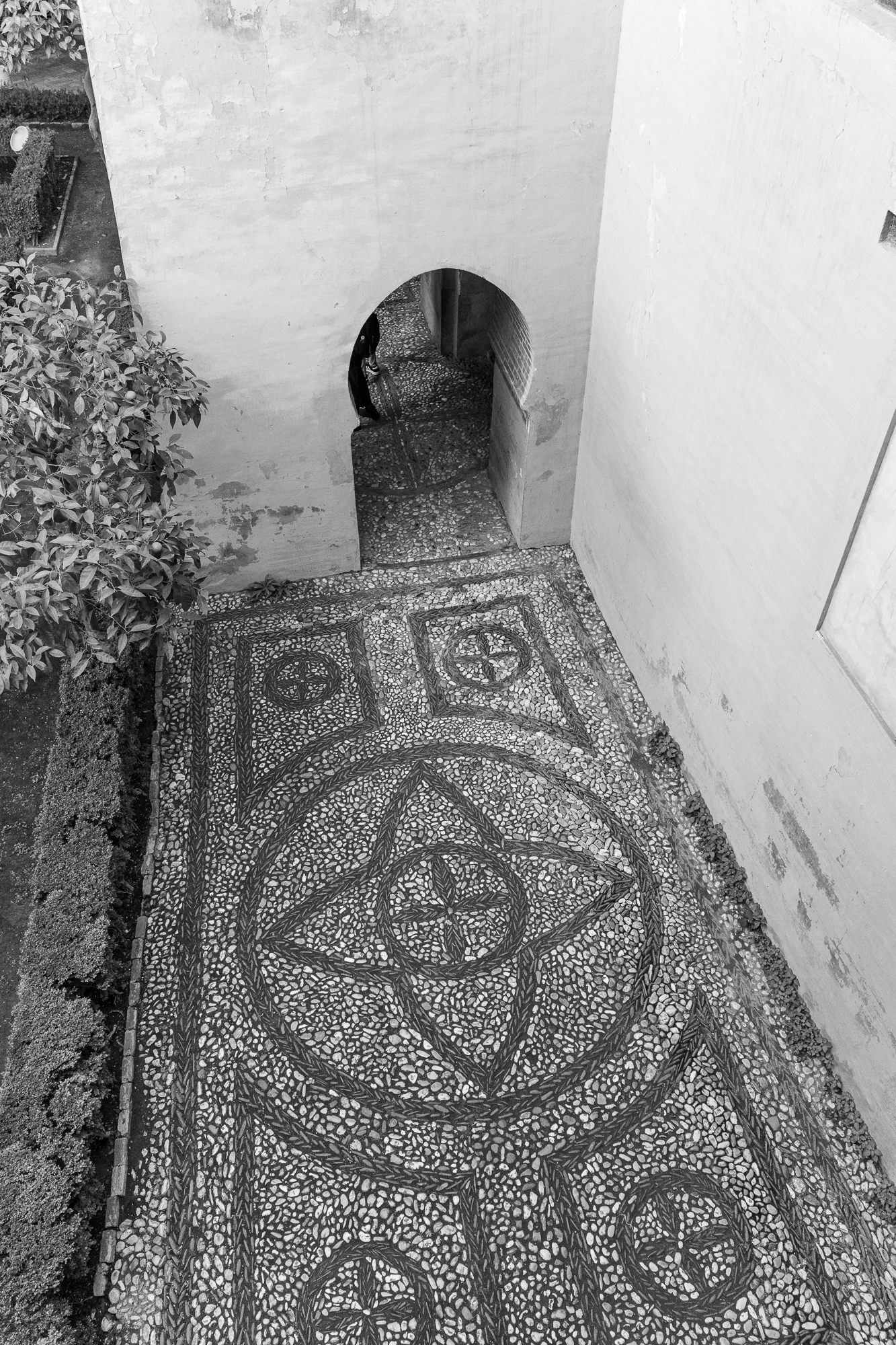
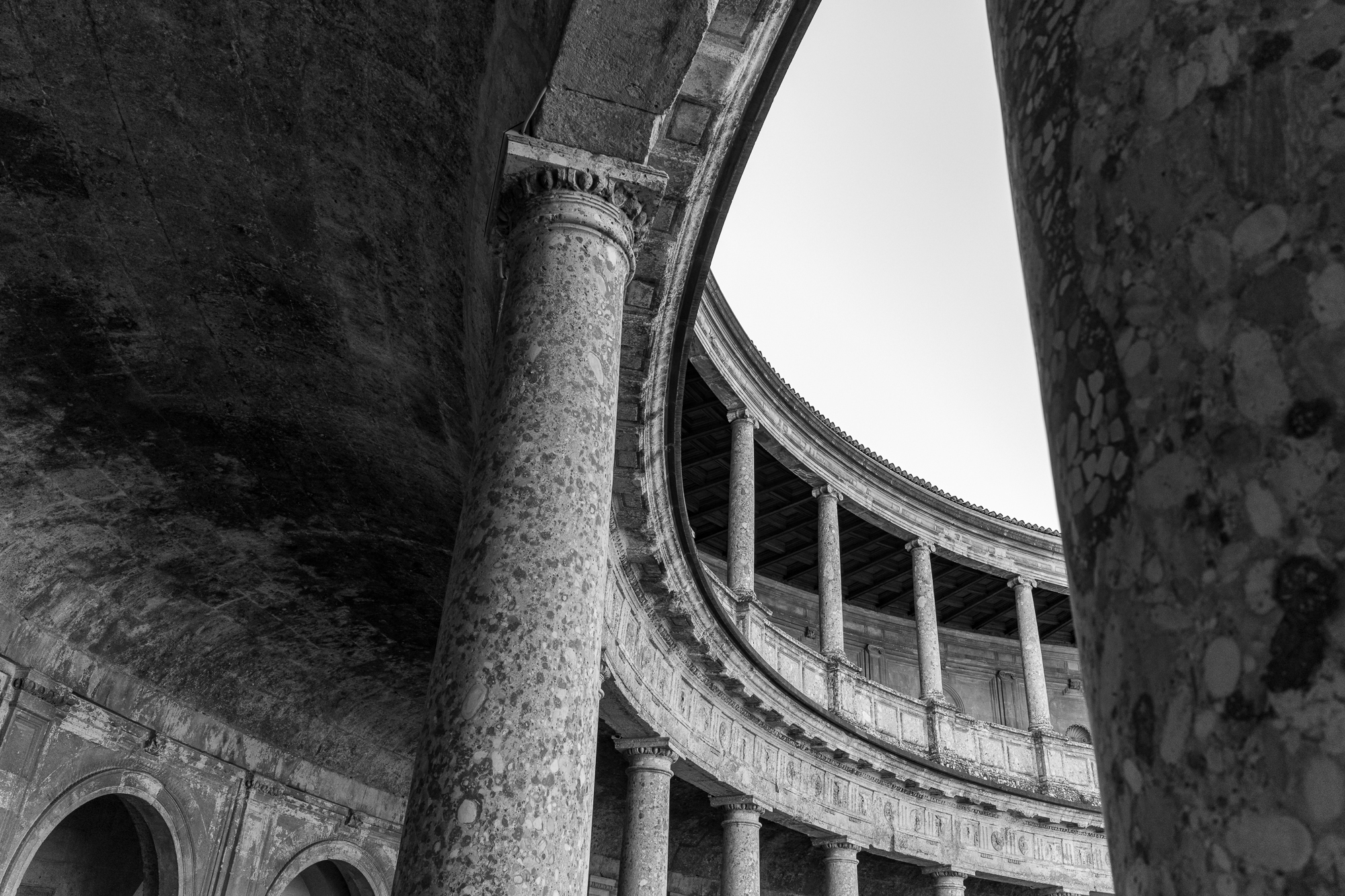
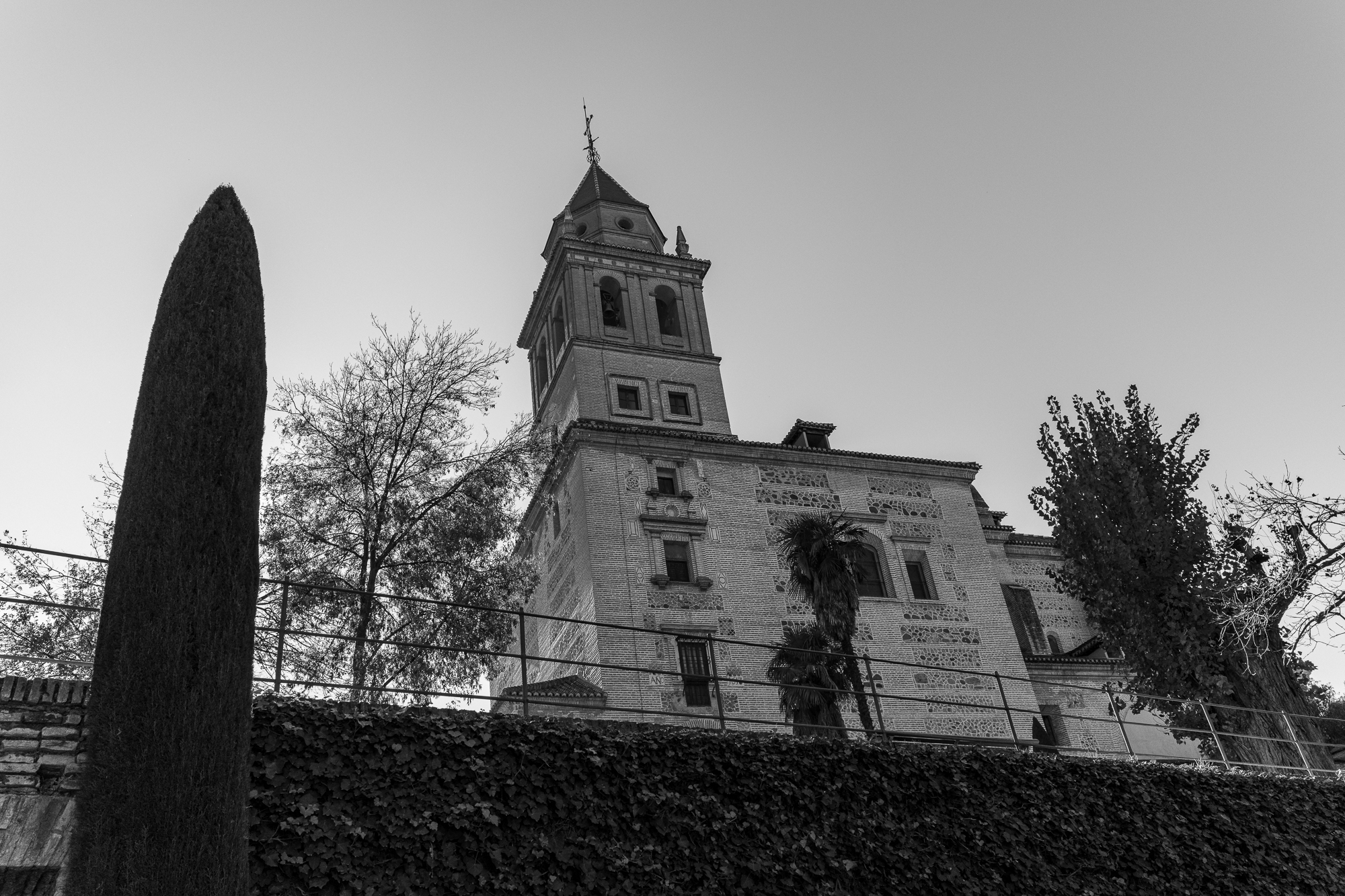
Granada is a city where history lingers in the air, etched into stone, water, and light. Nowhere is this more evident than in the profound Islamic architectural legacy that defines its soul. Walking through Granada feels like stepping into a living manuscript of Al-Andalus, where beauty was designed not to dominate the landscape, but to exist in harmony with it.
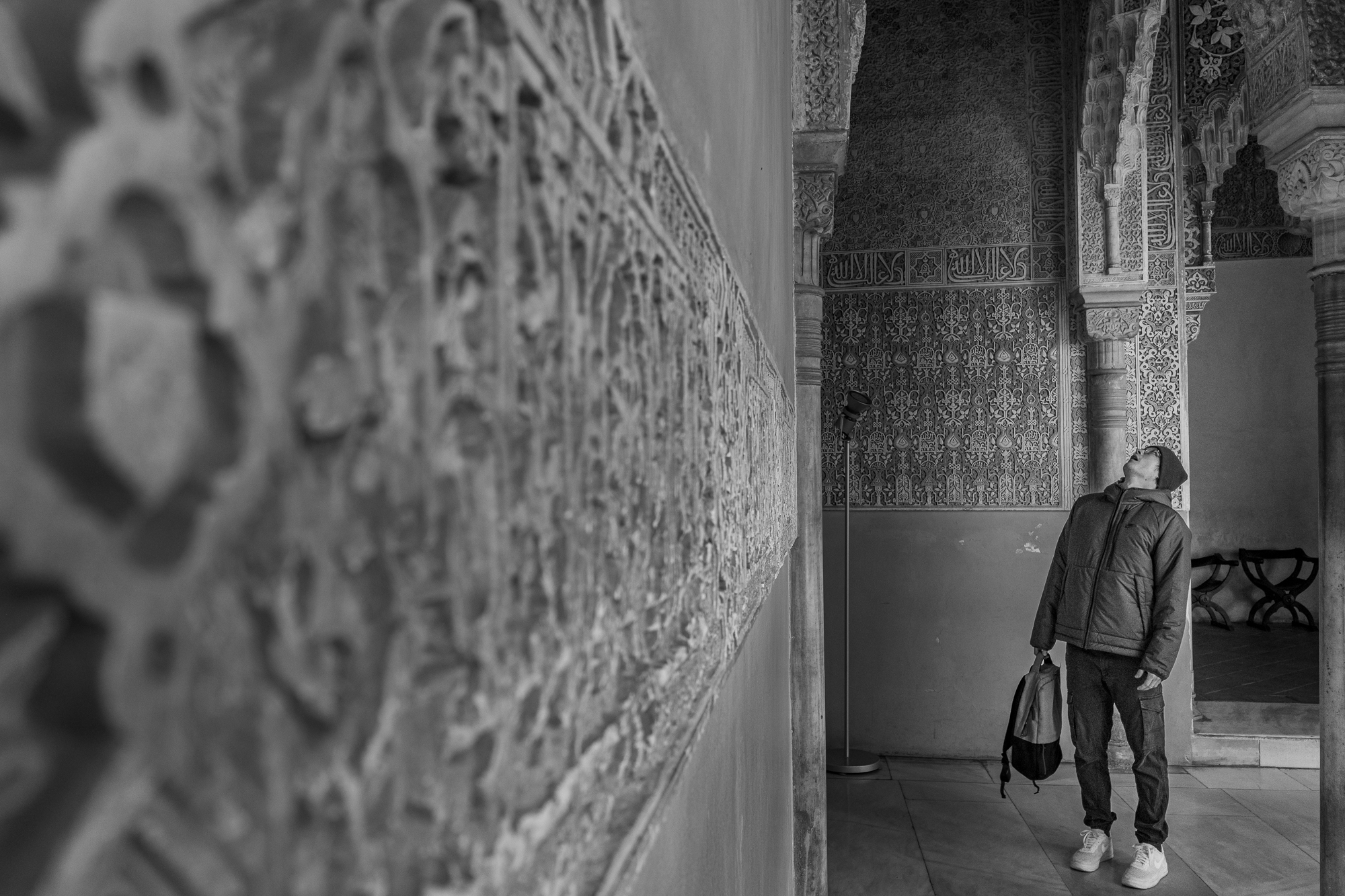
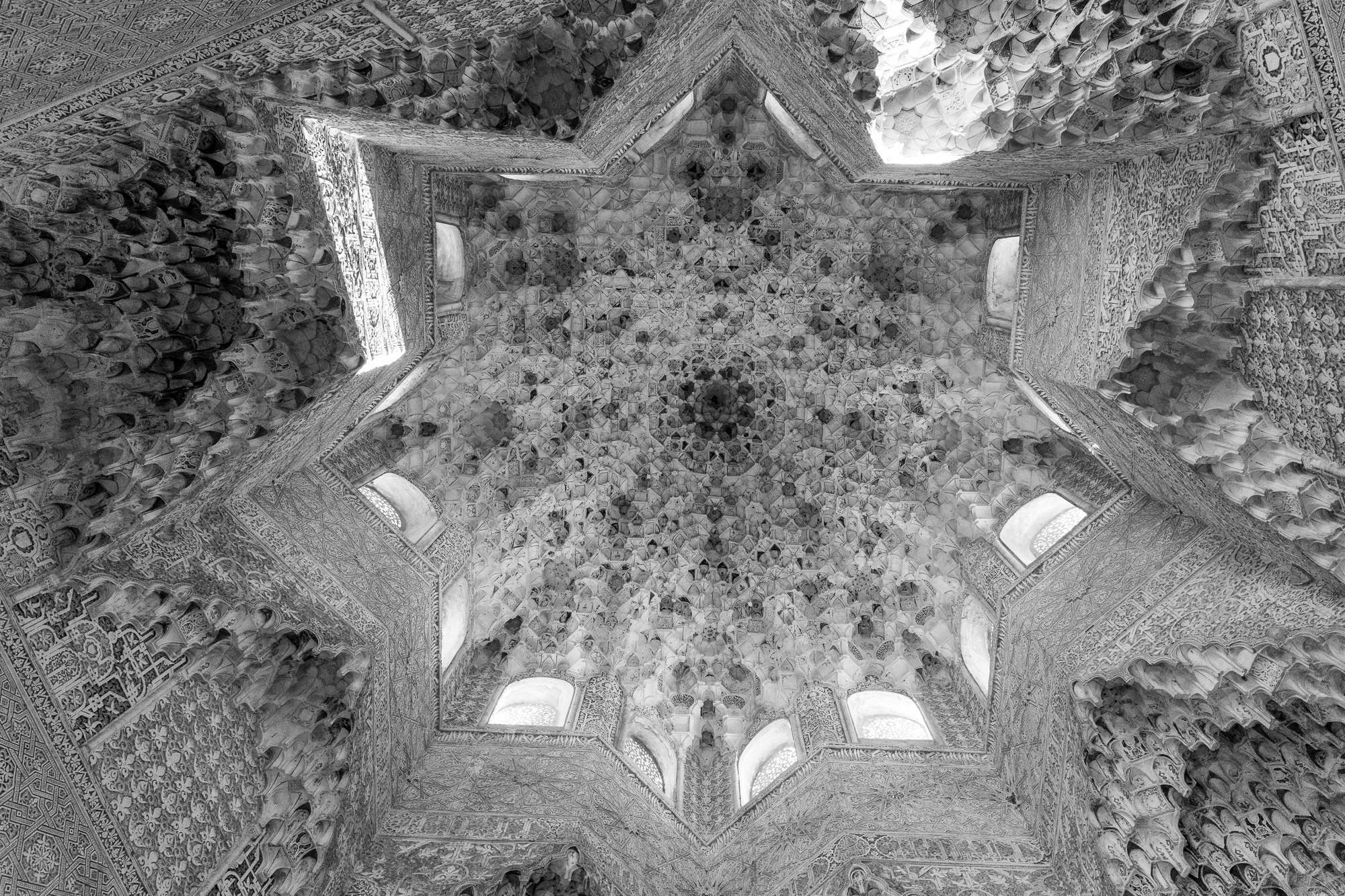
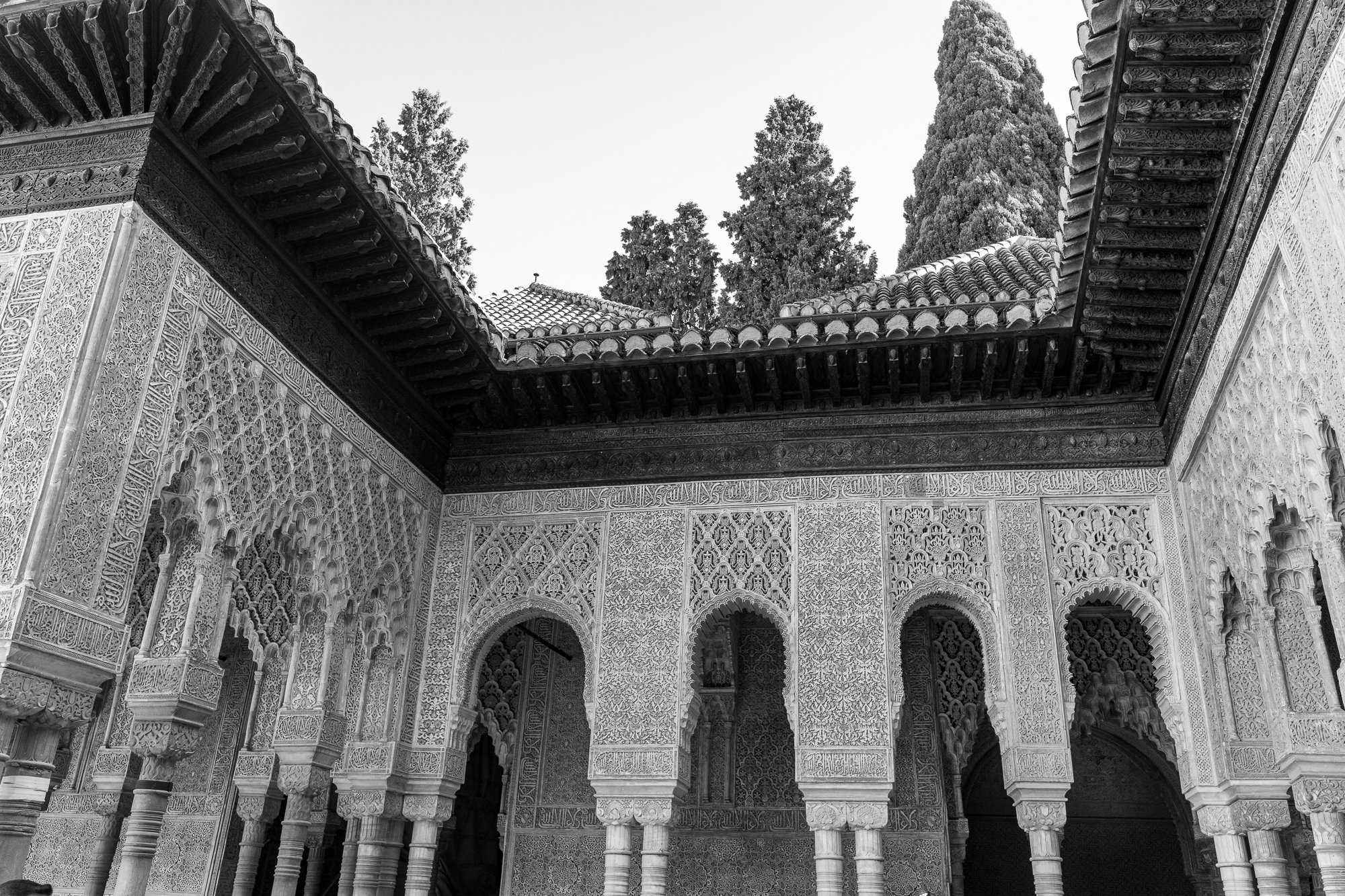
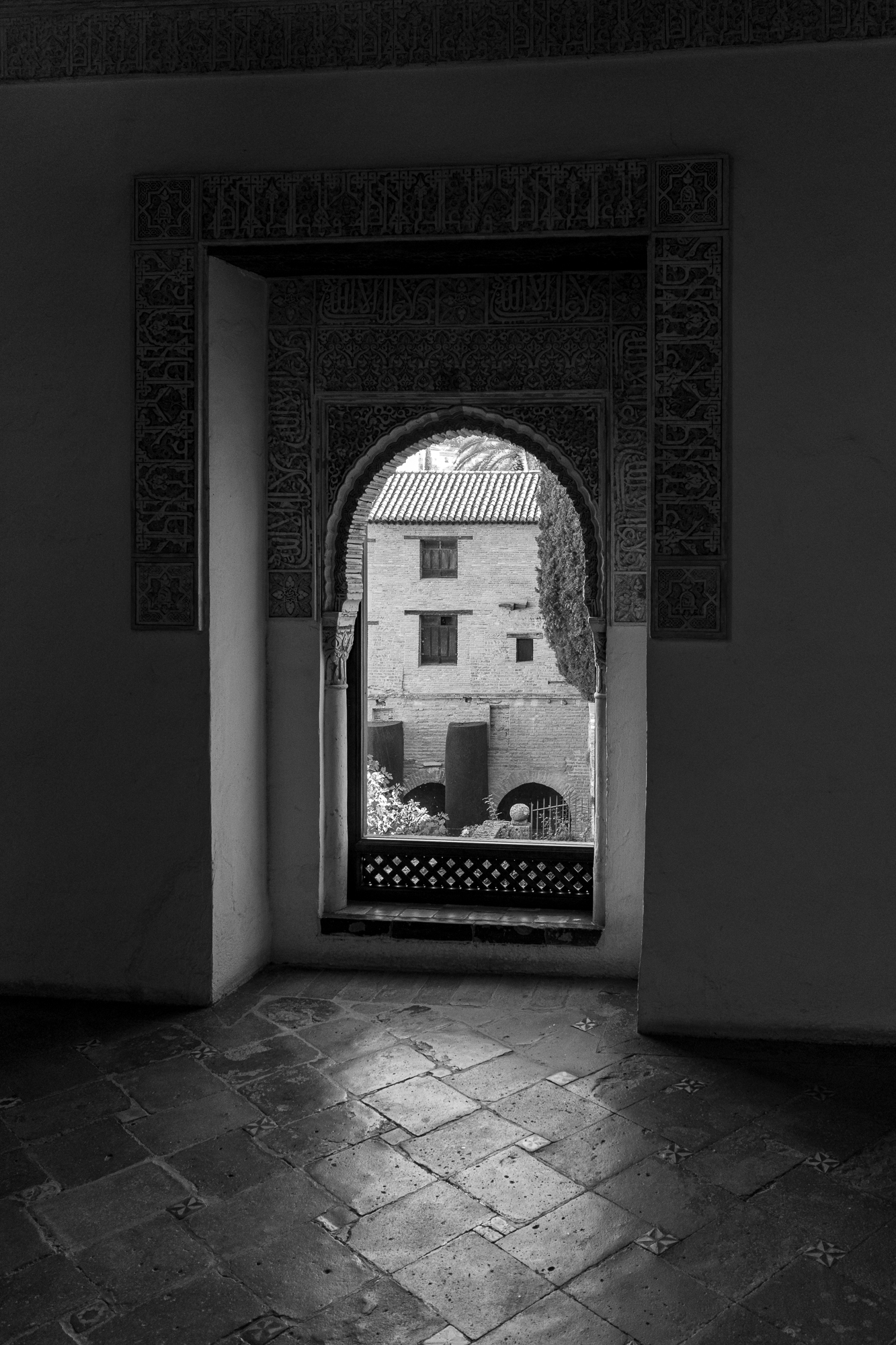
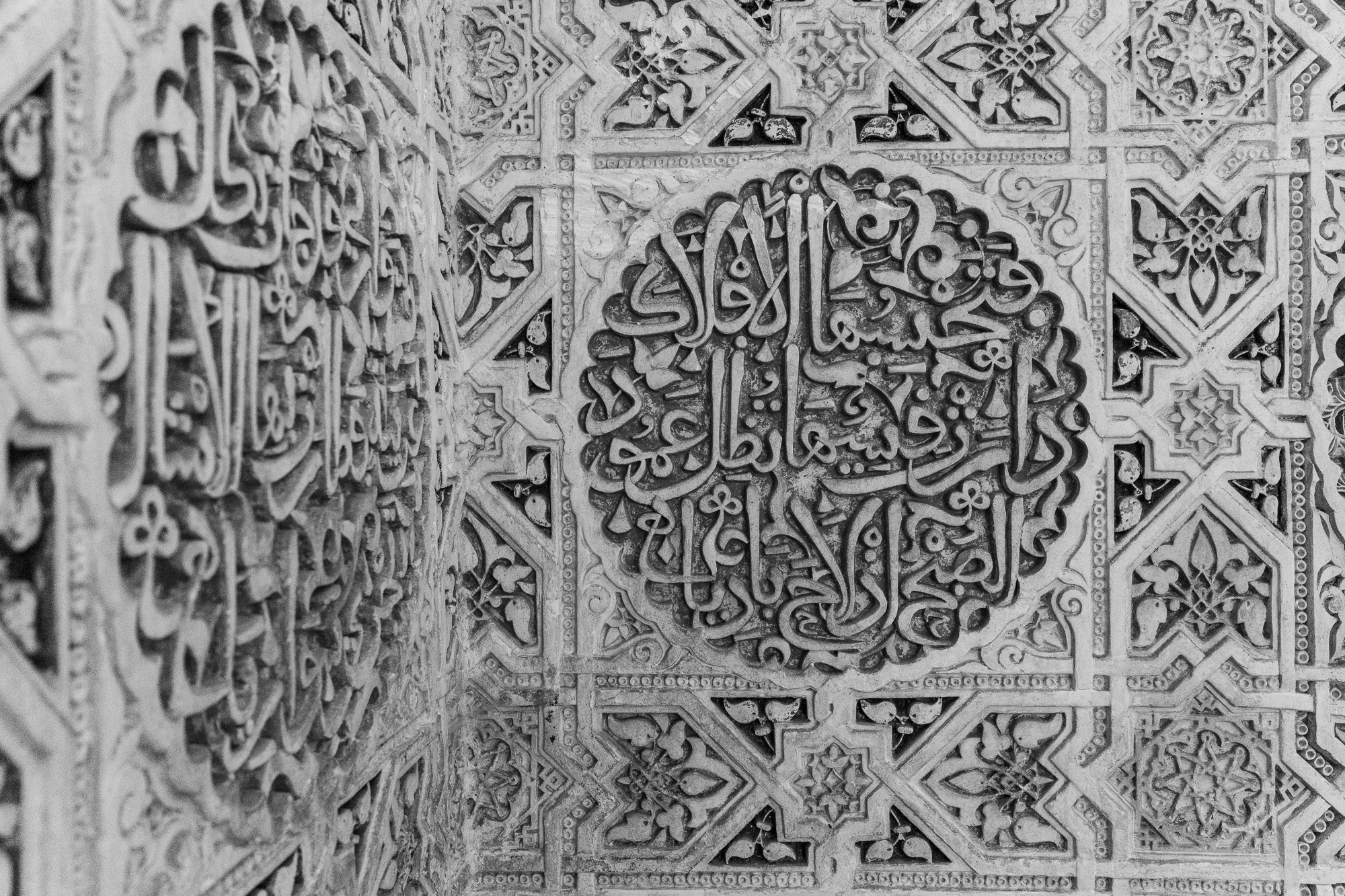
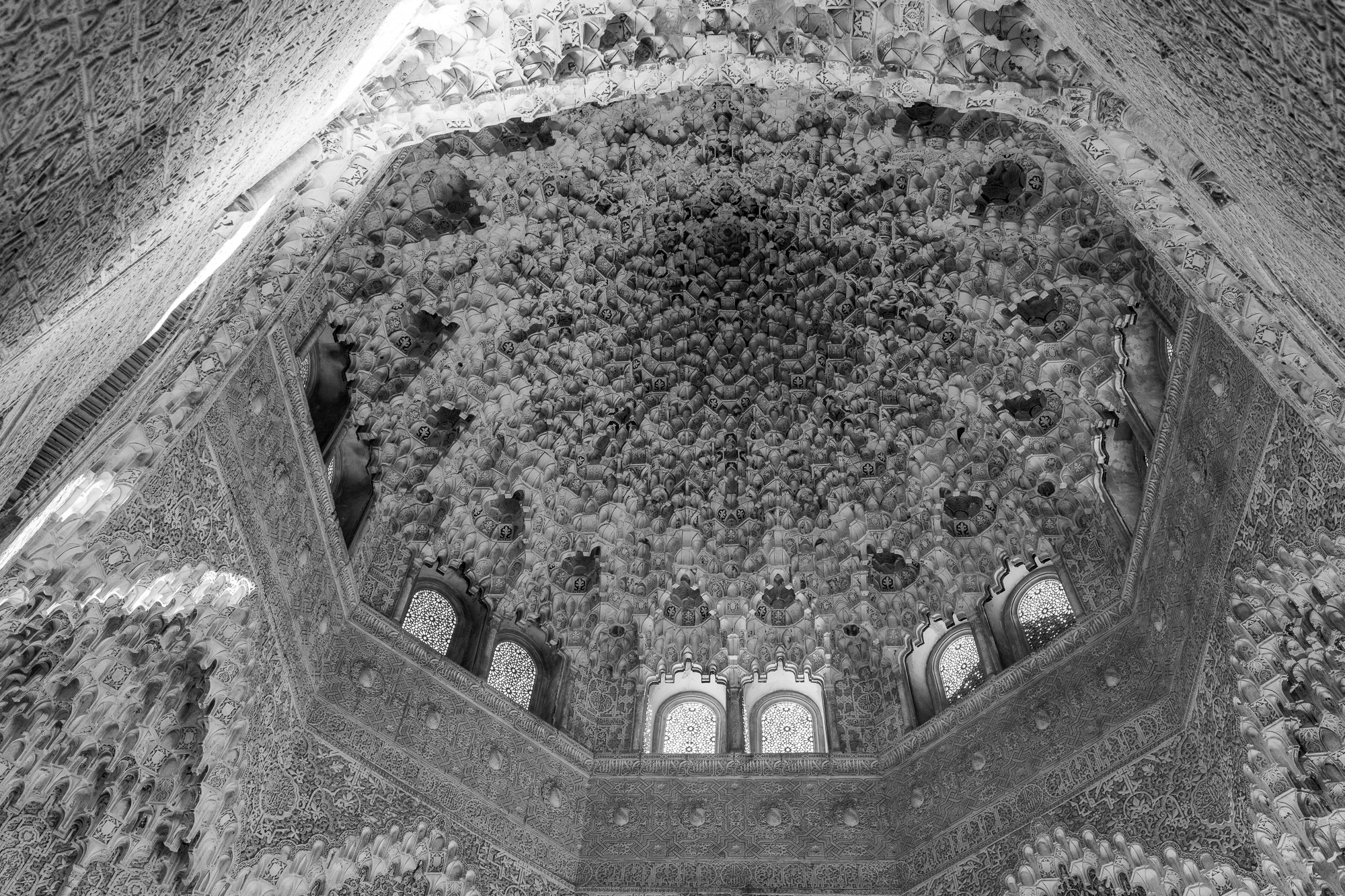
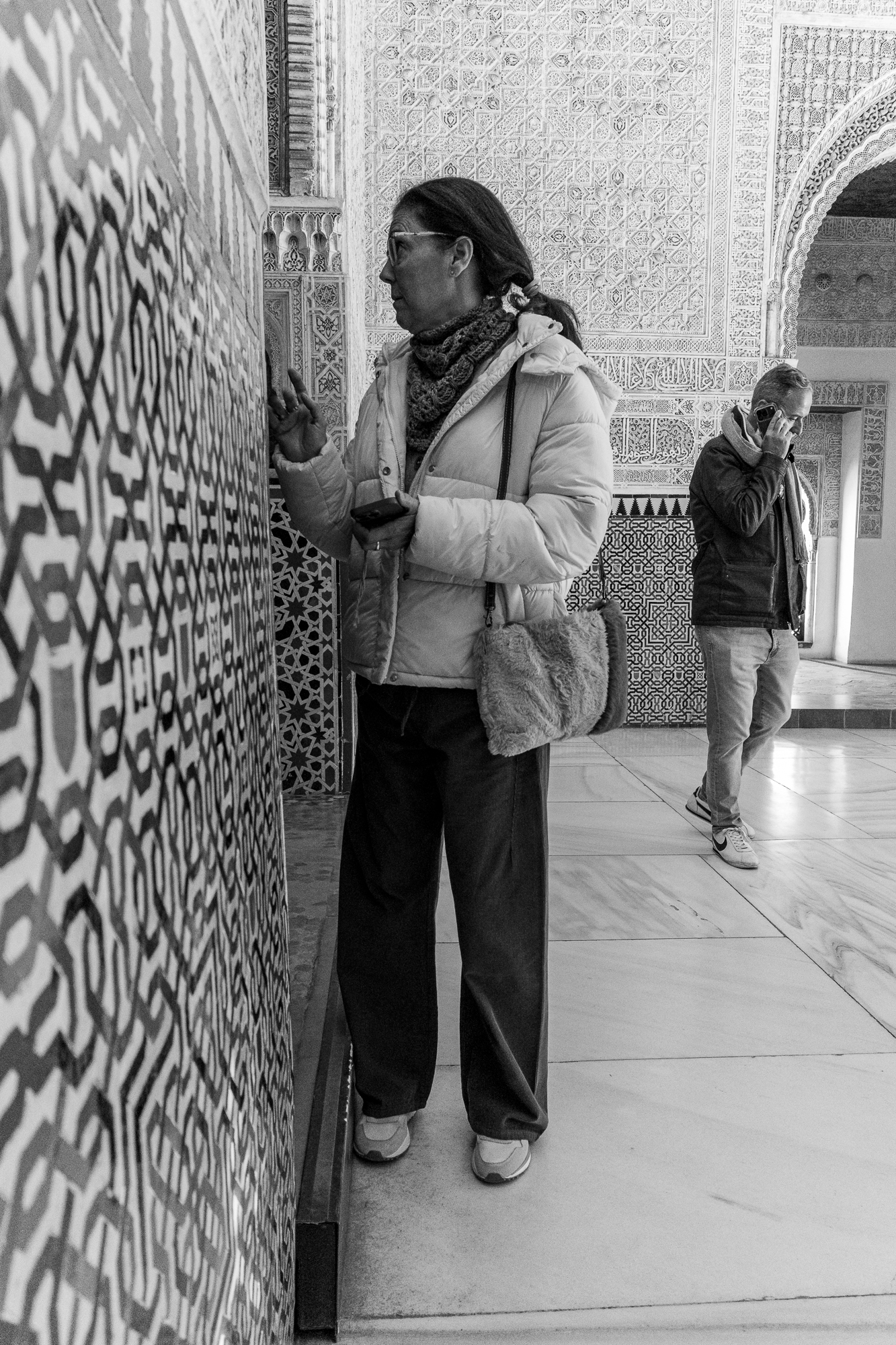
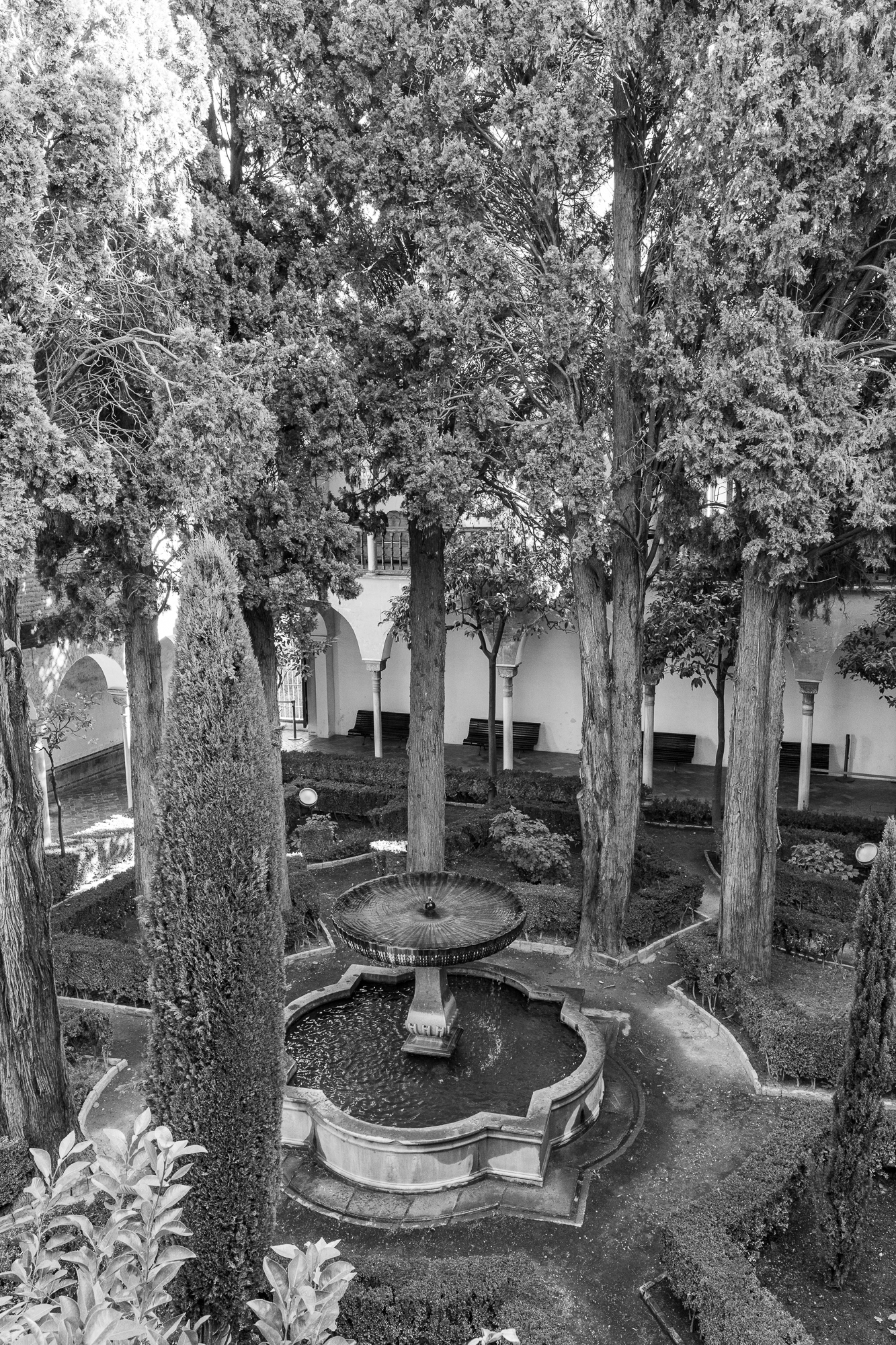
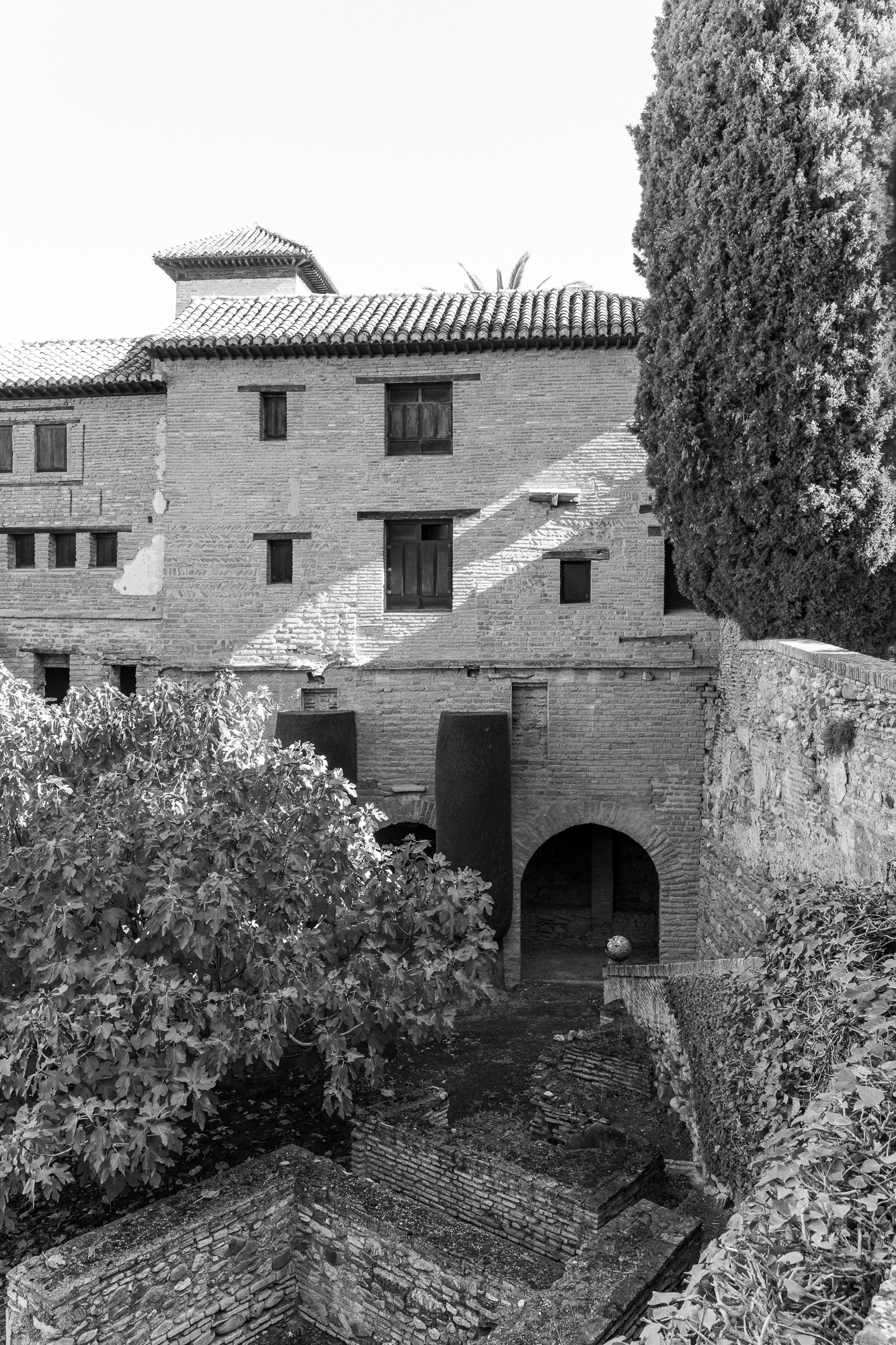
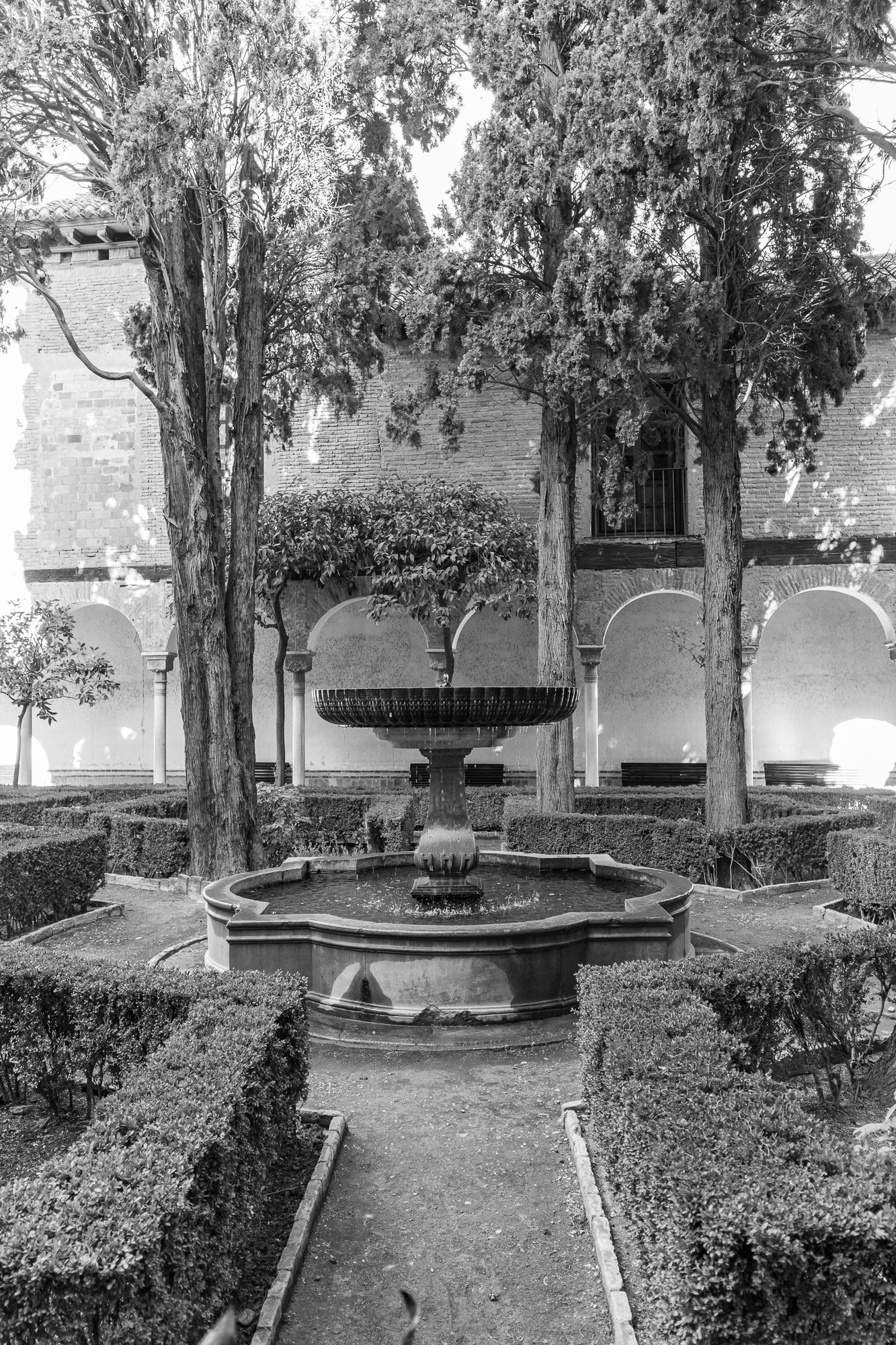
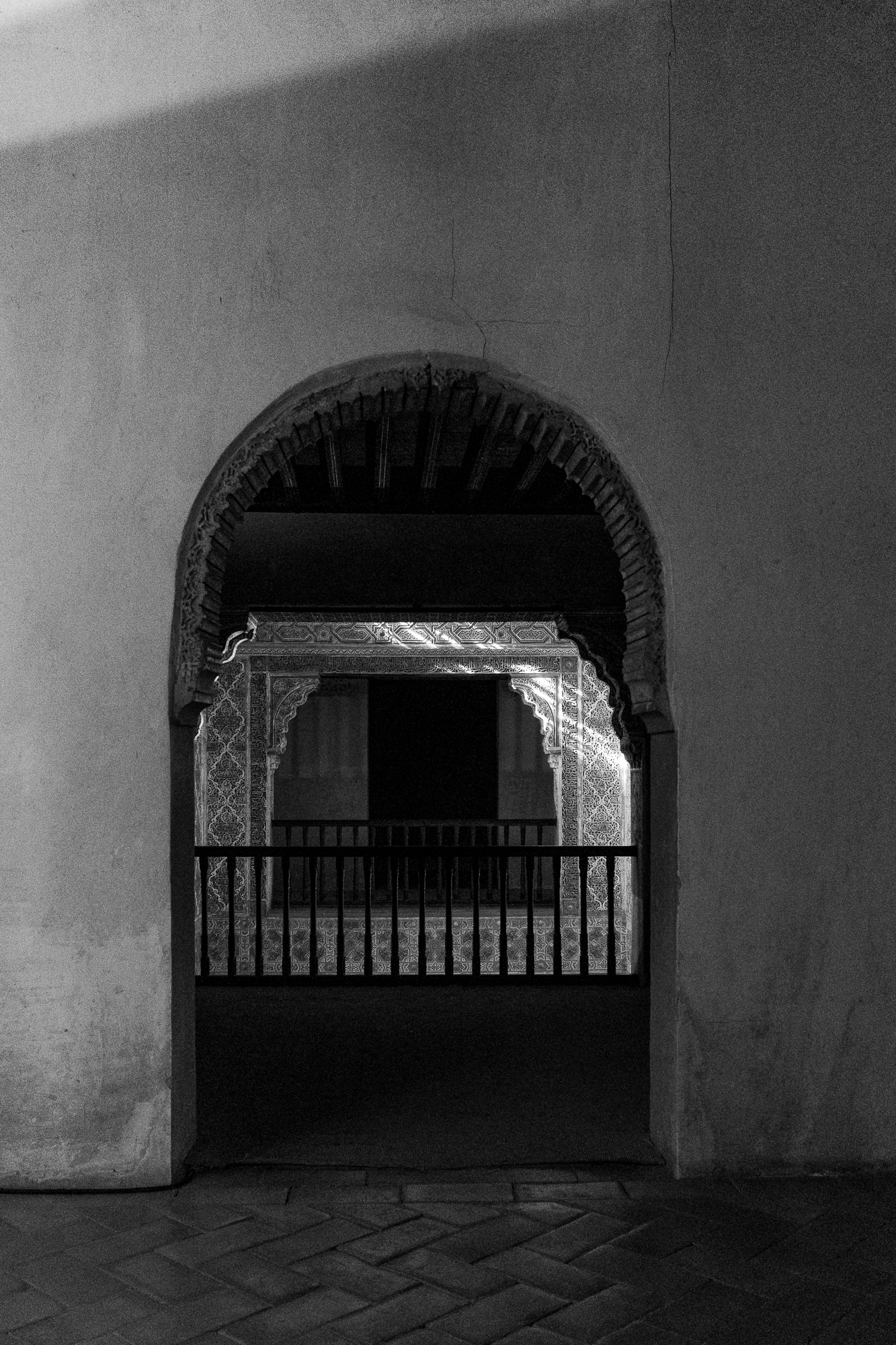
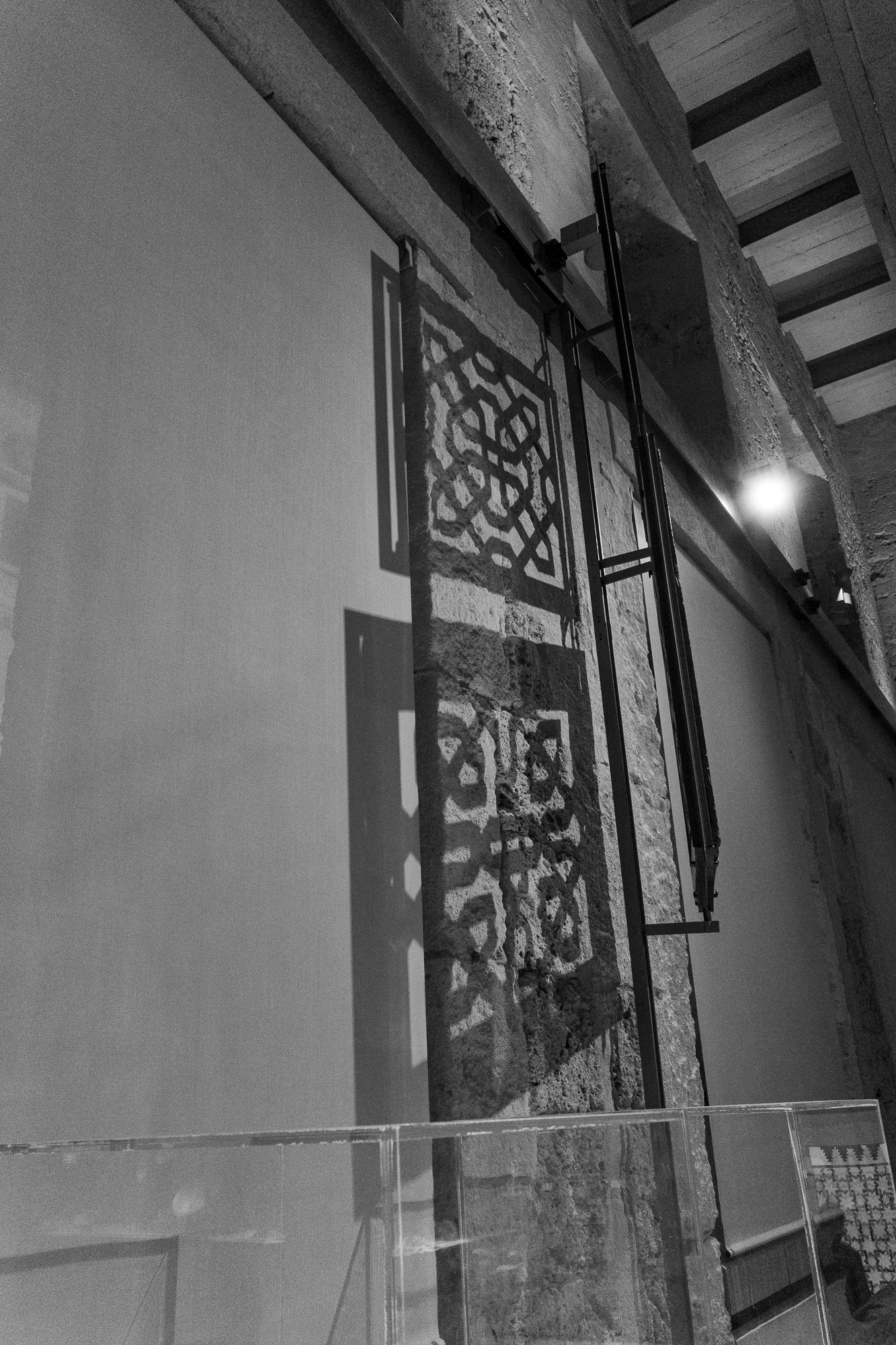
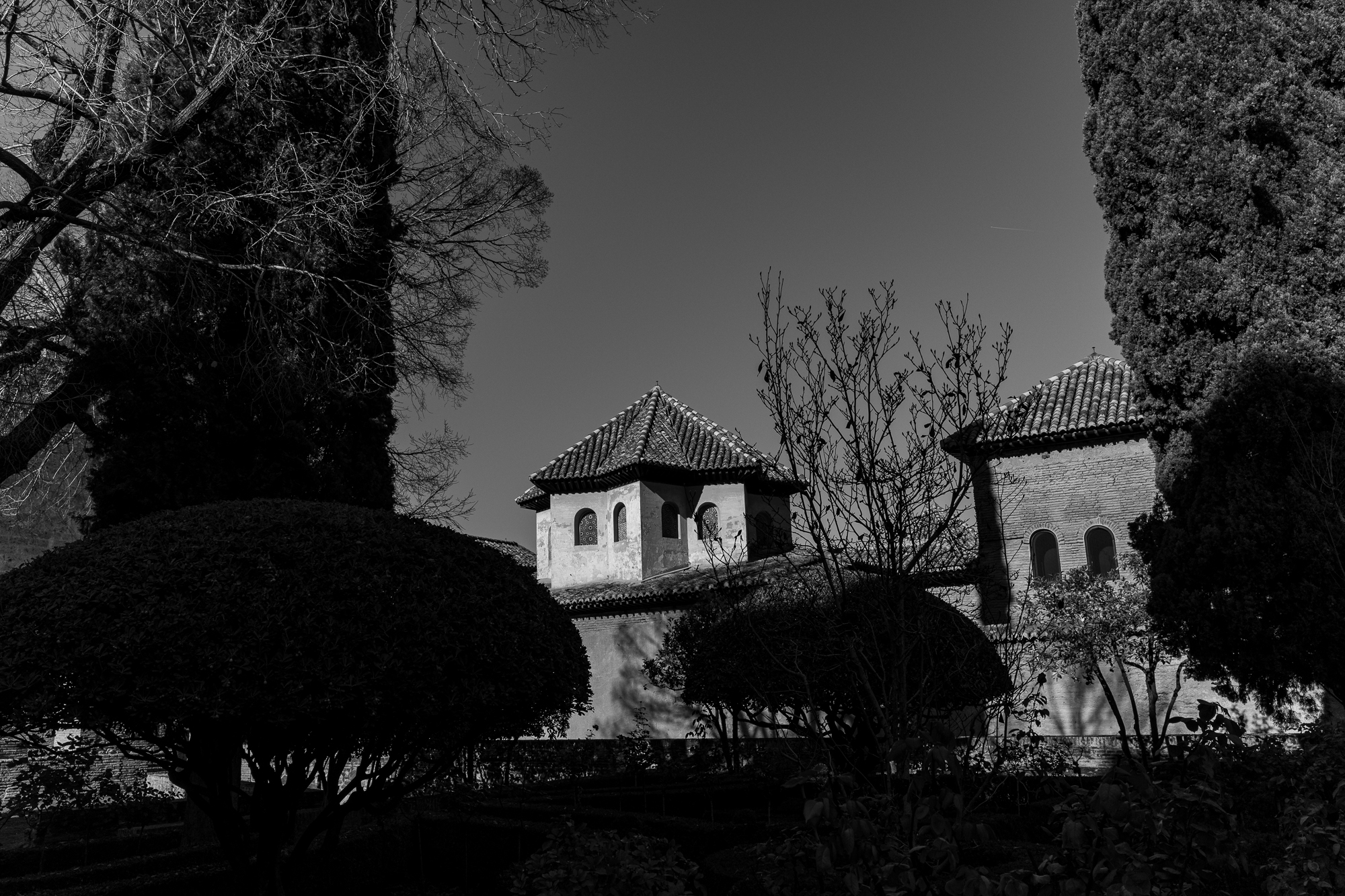
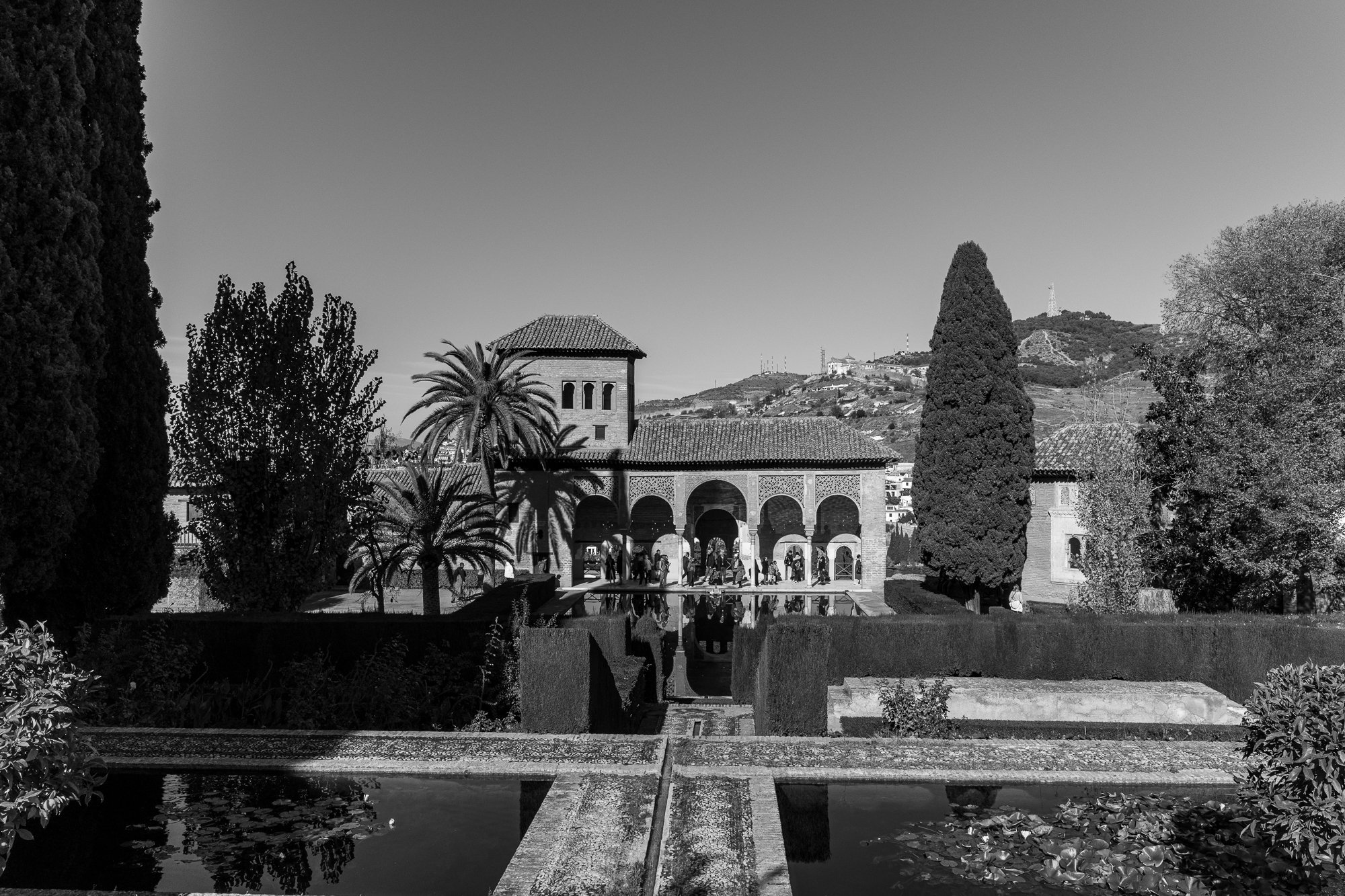
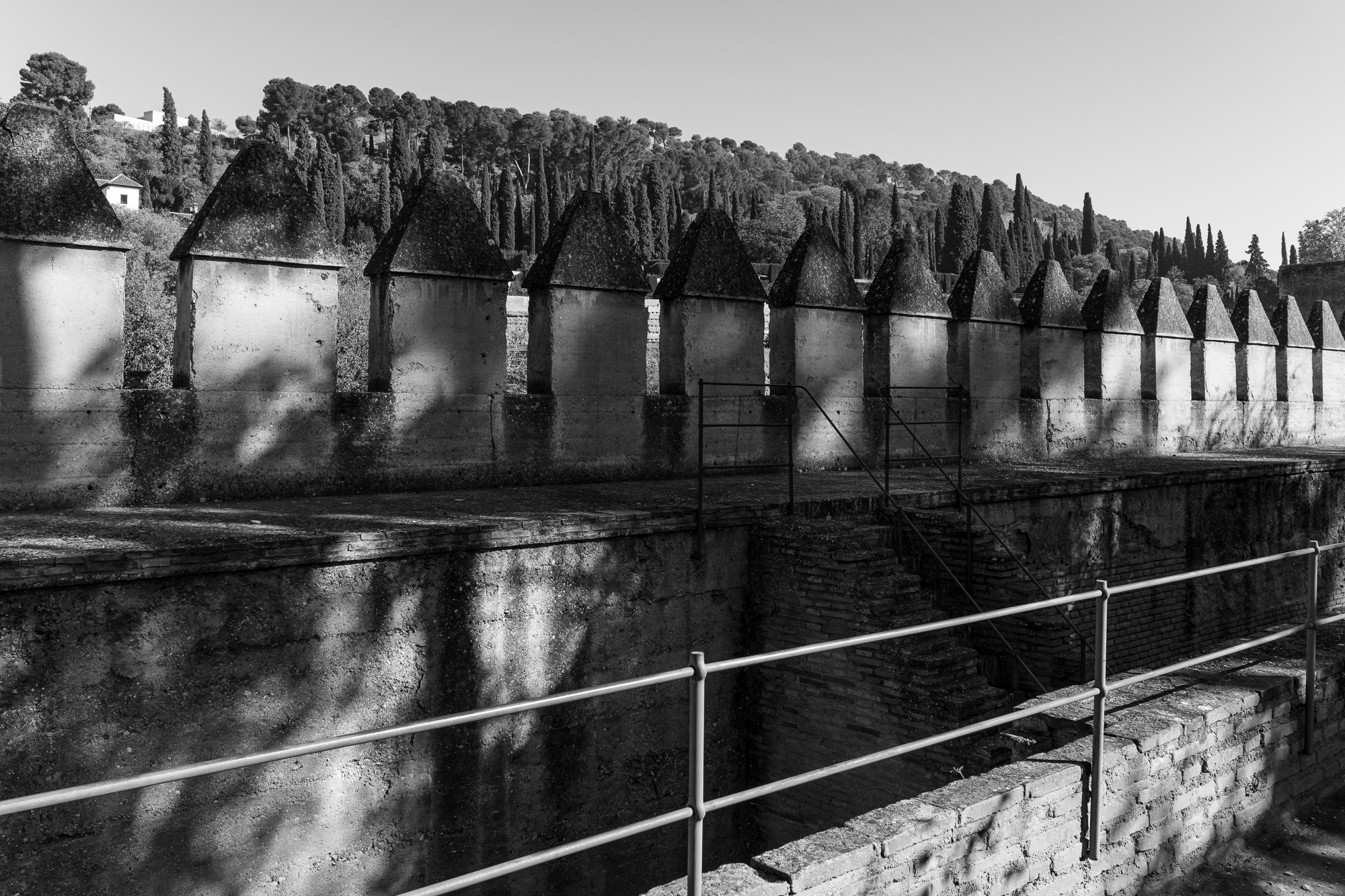
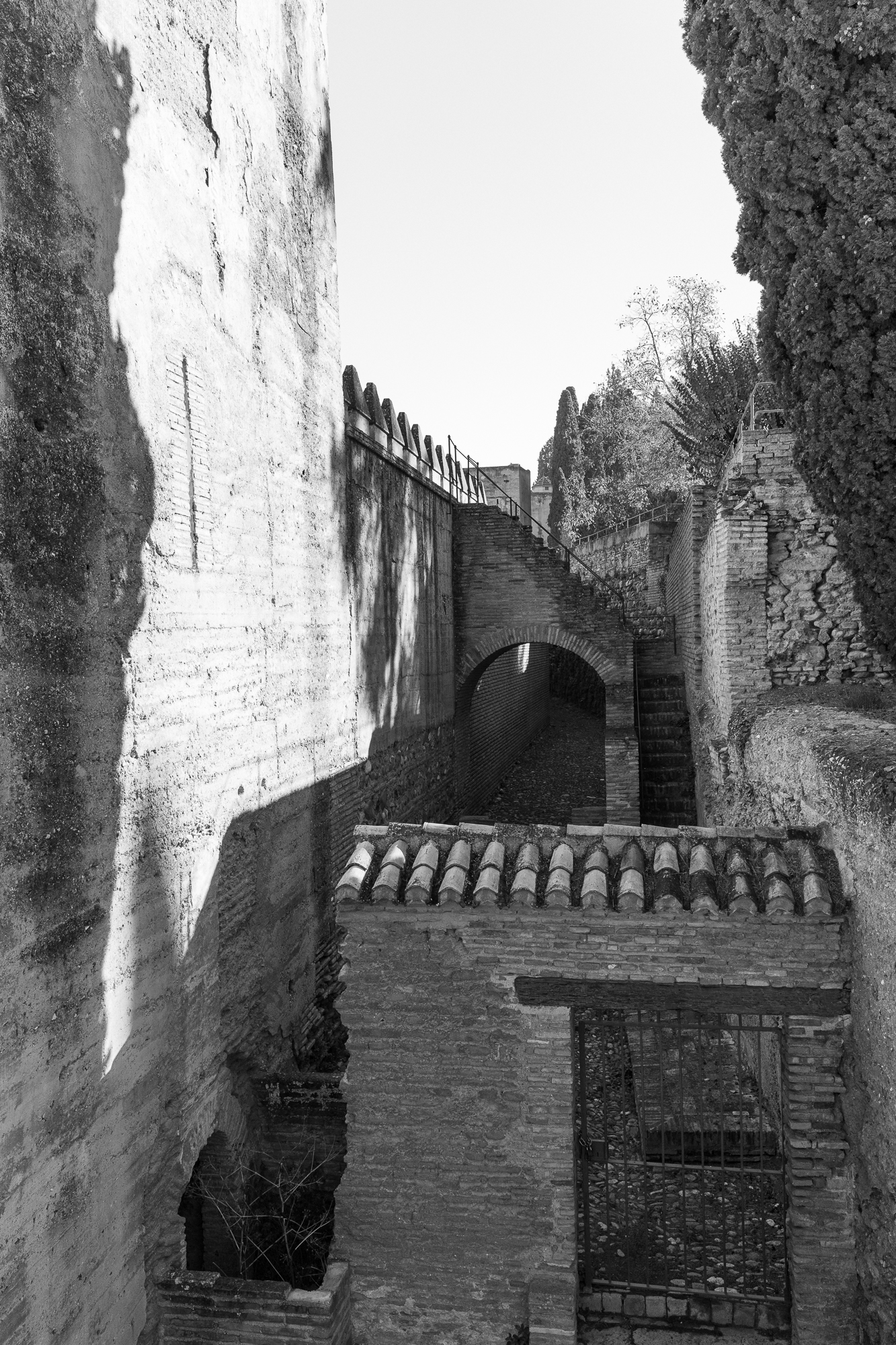
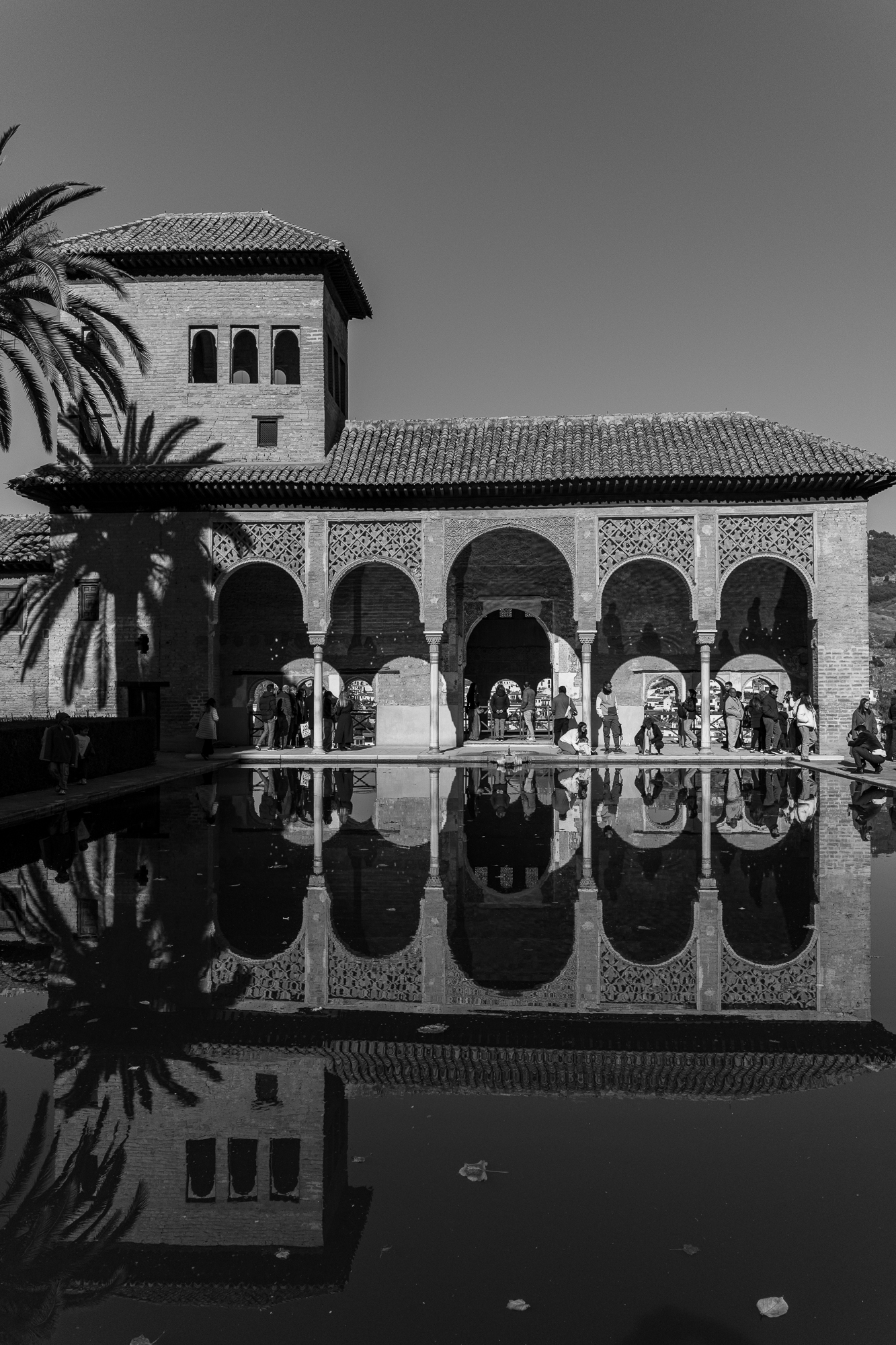
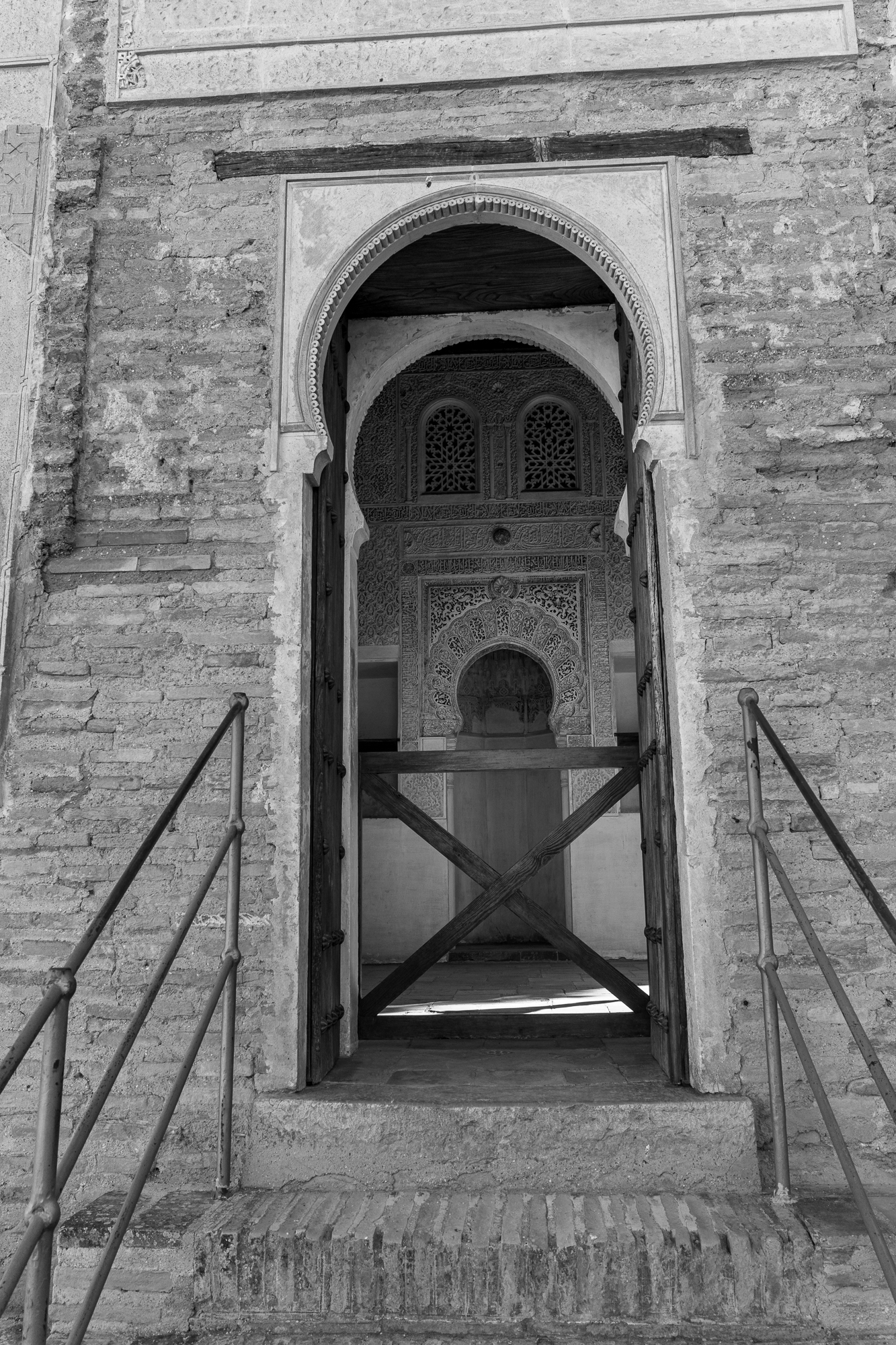
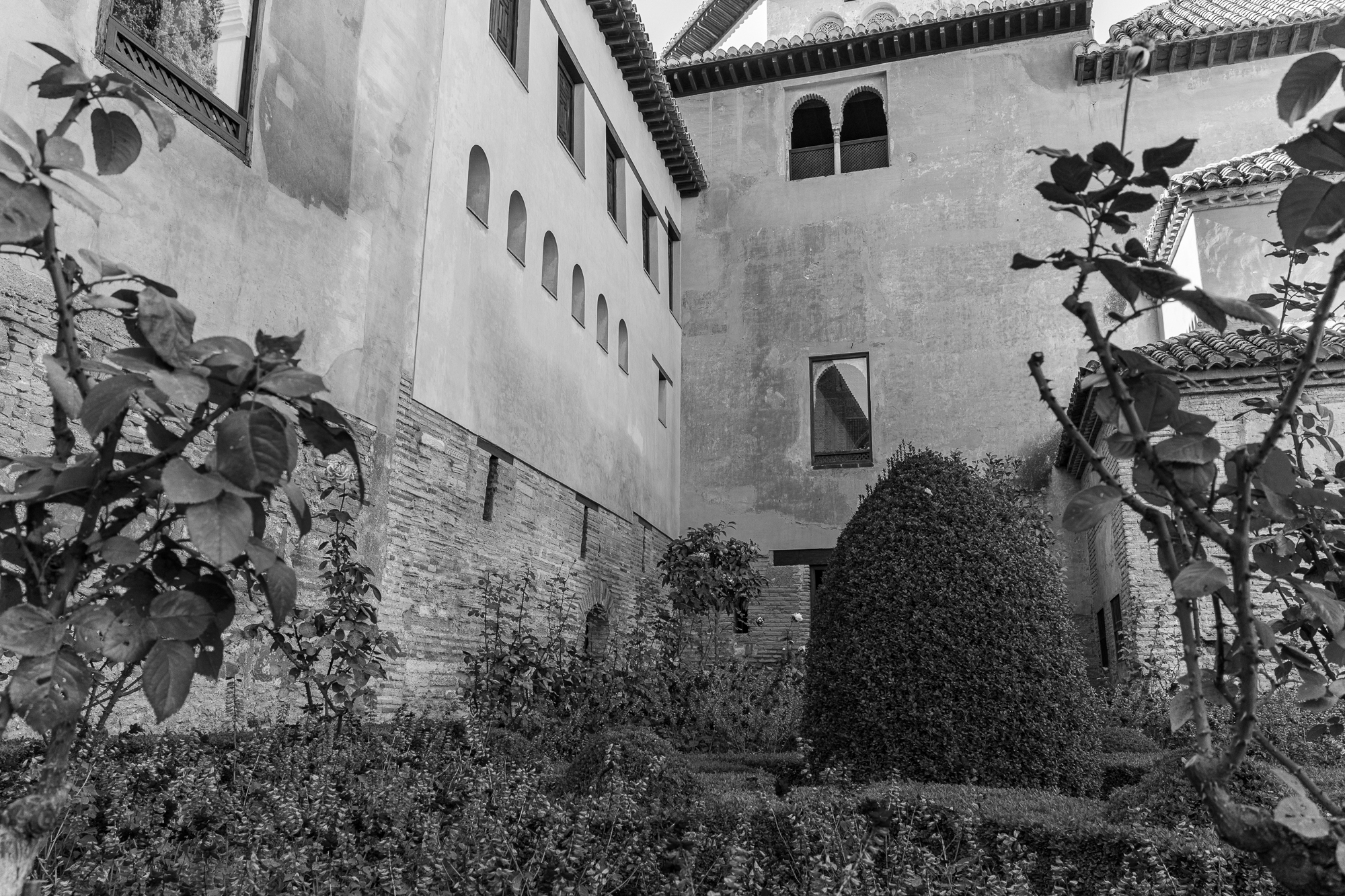
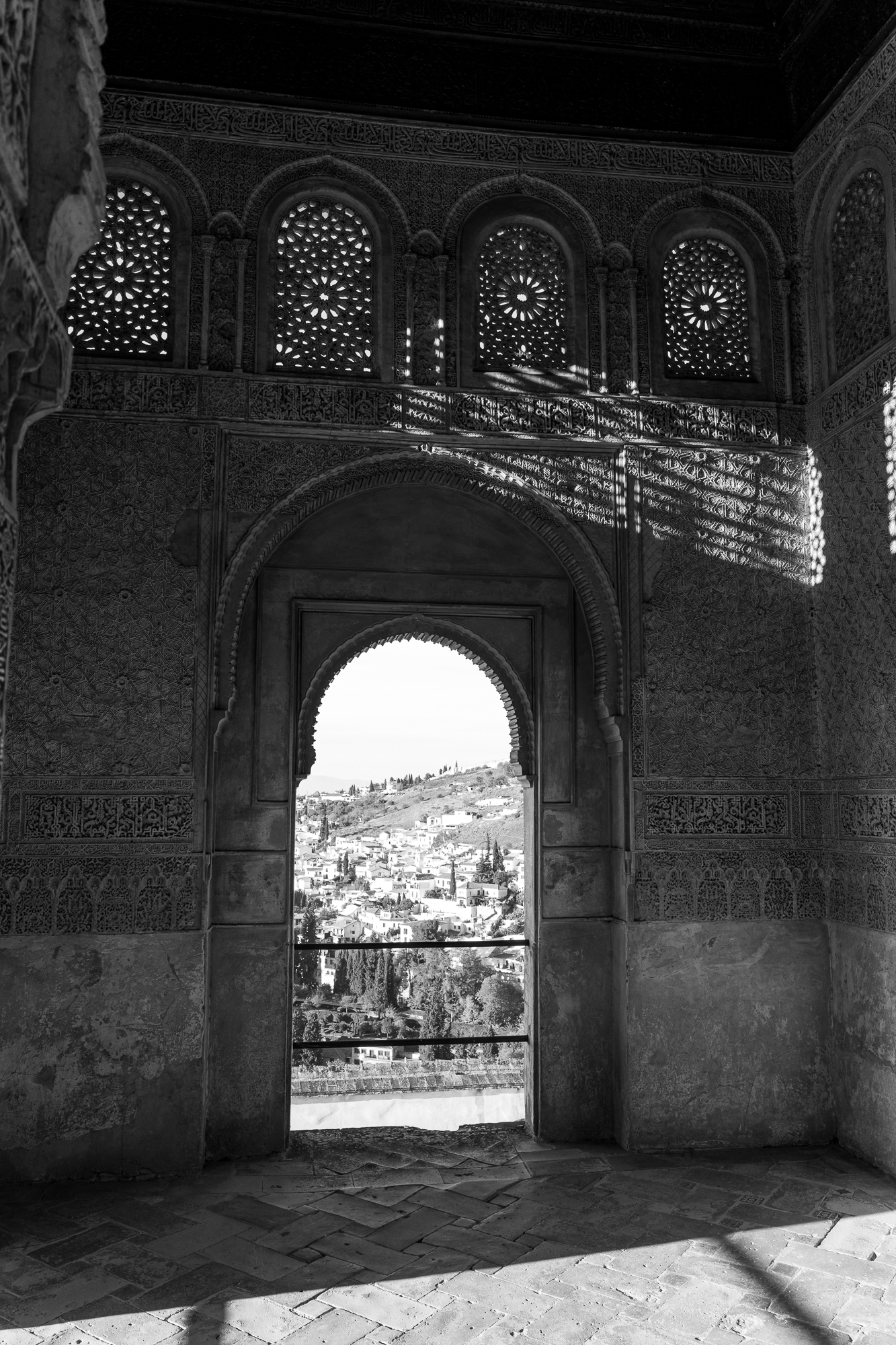
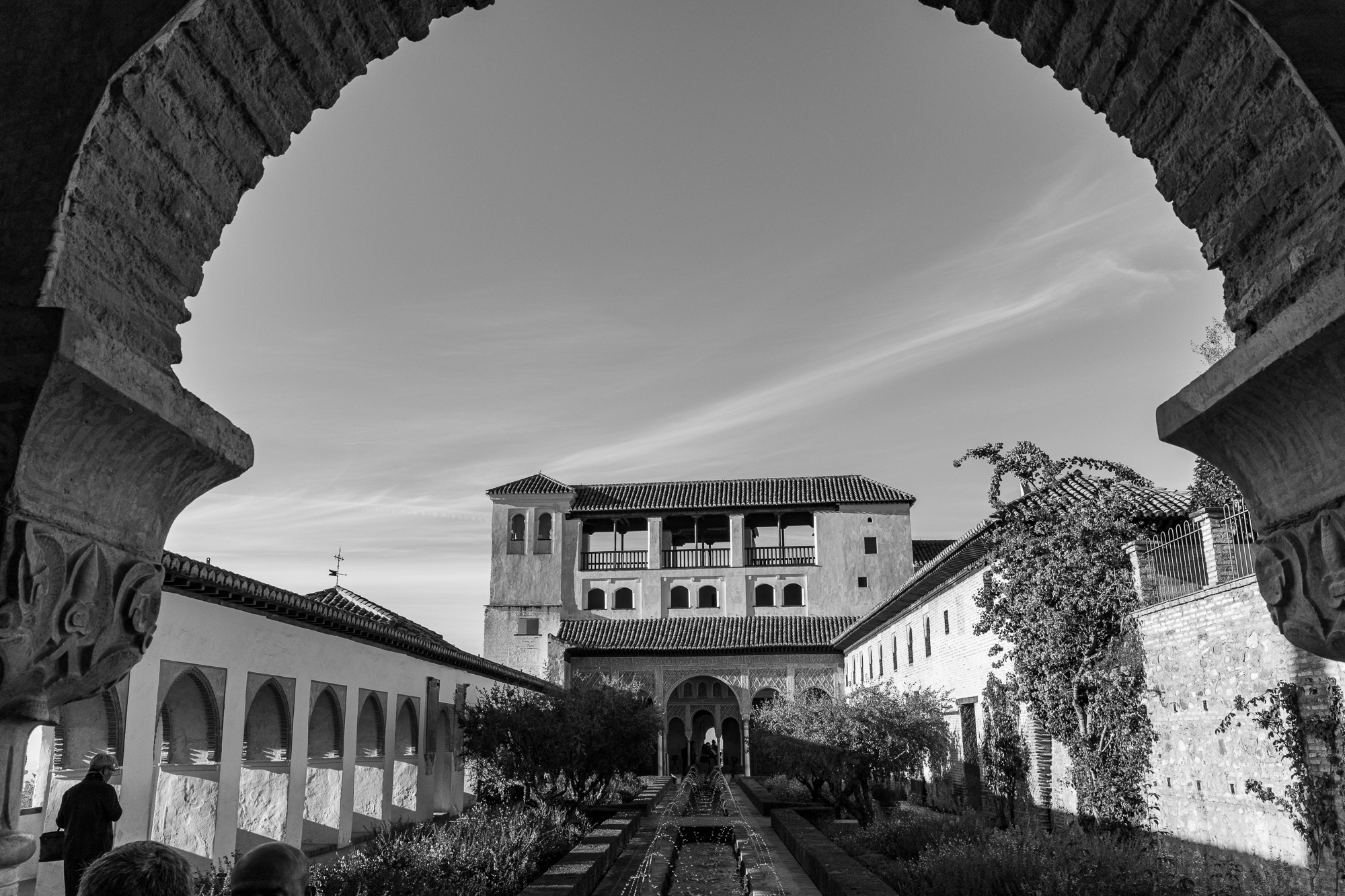
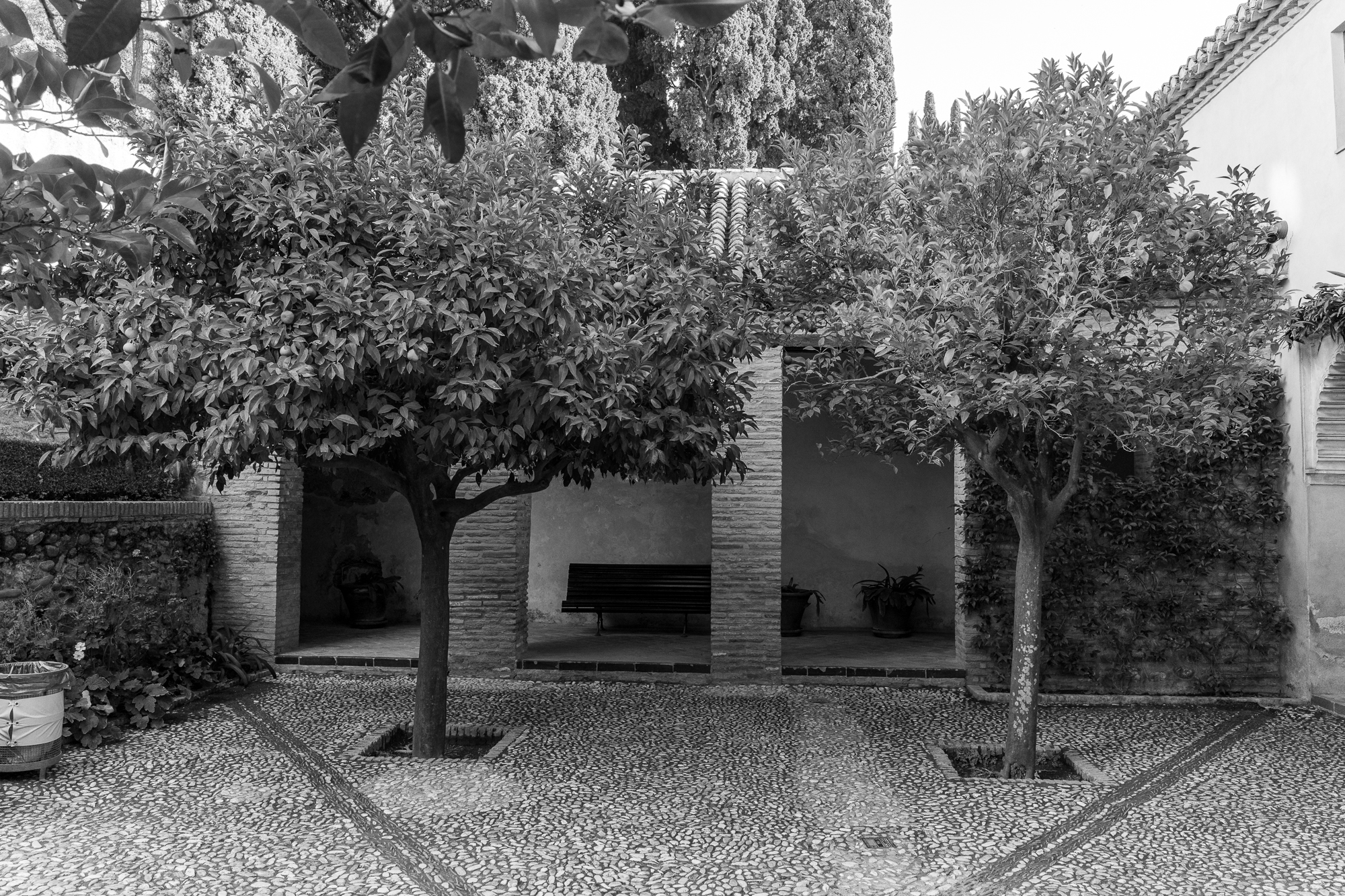
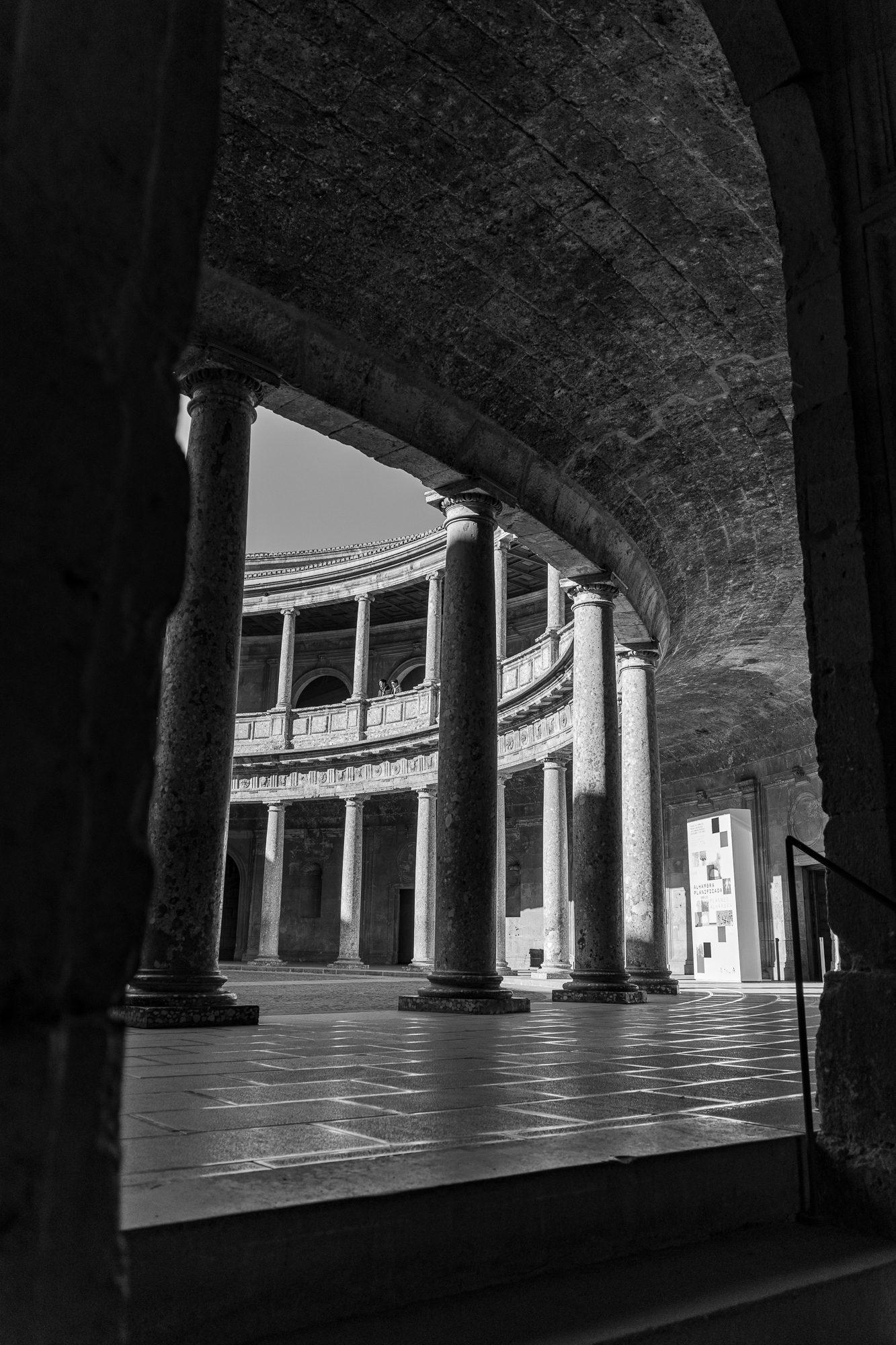
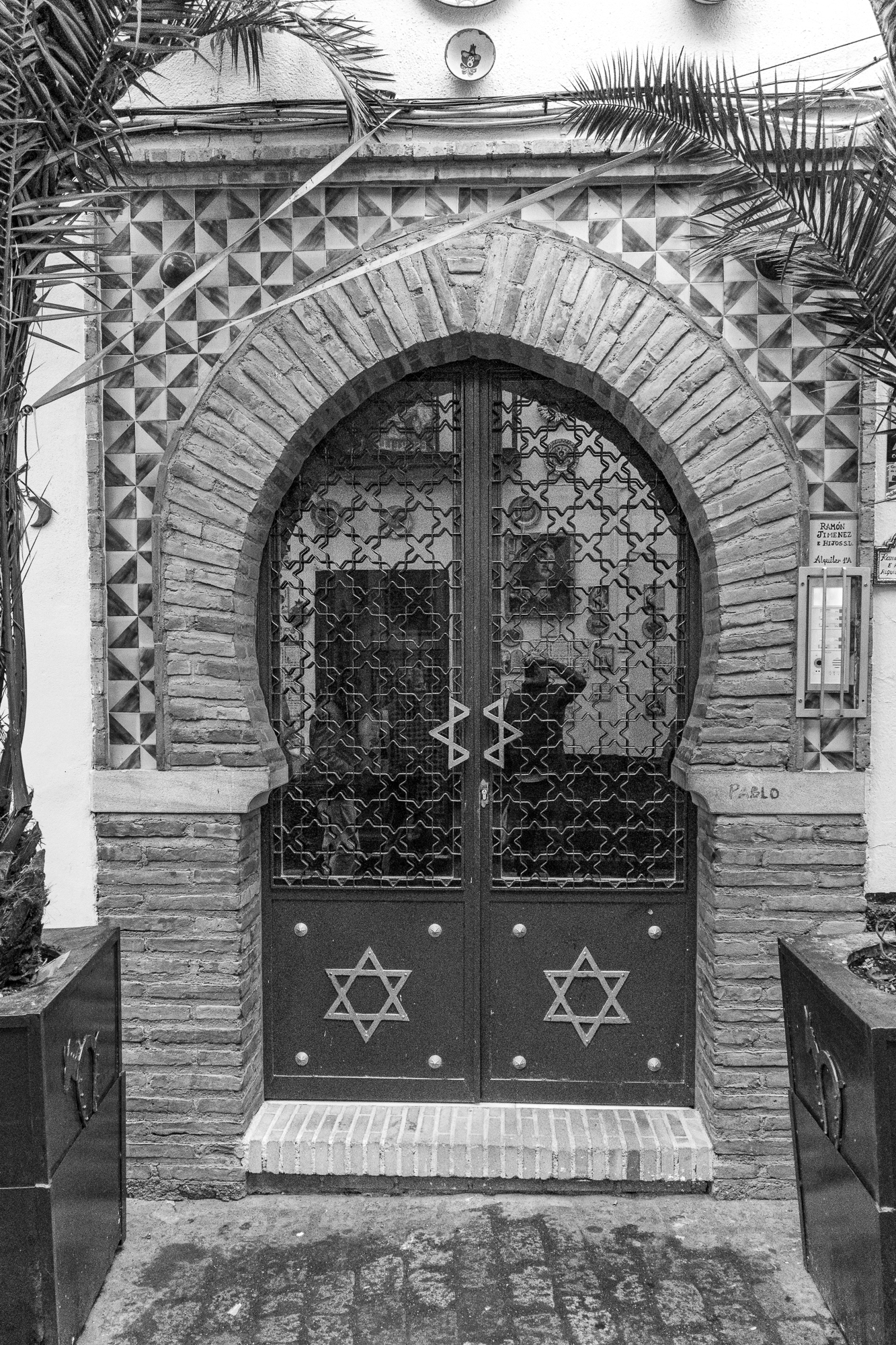
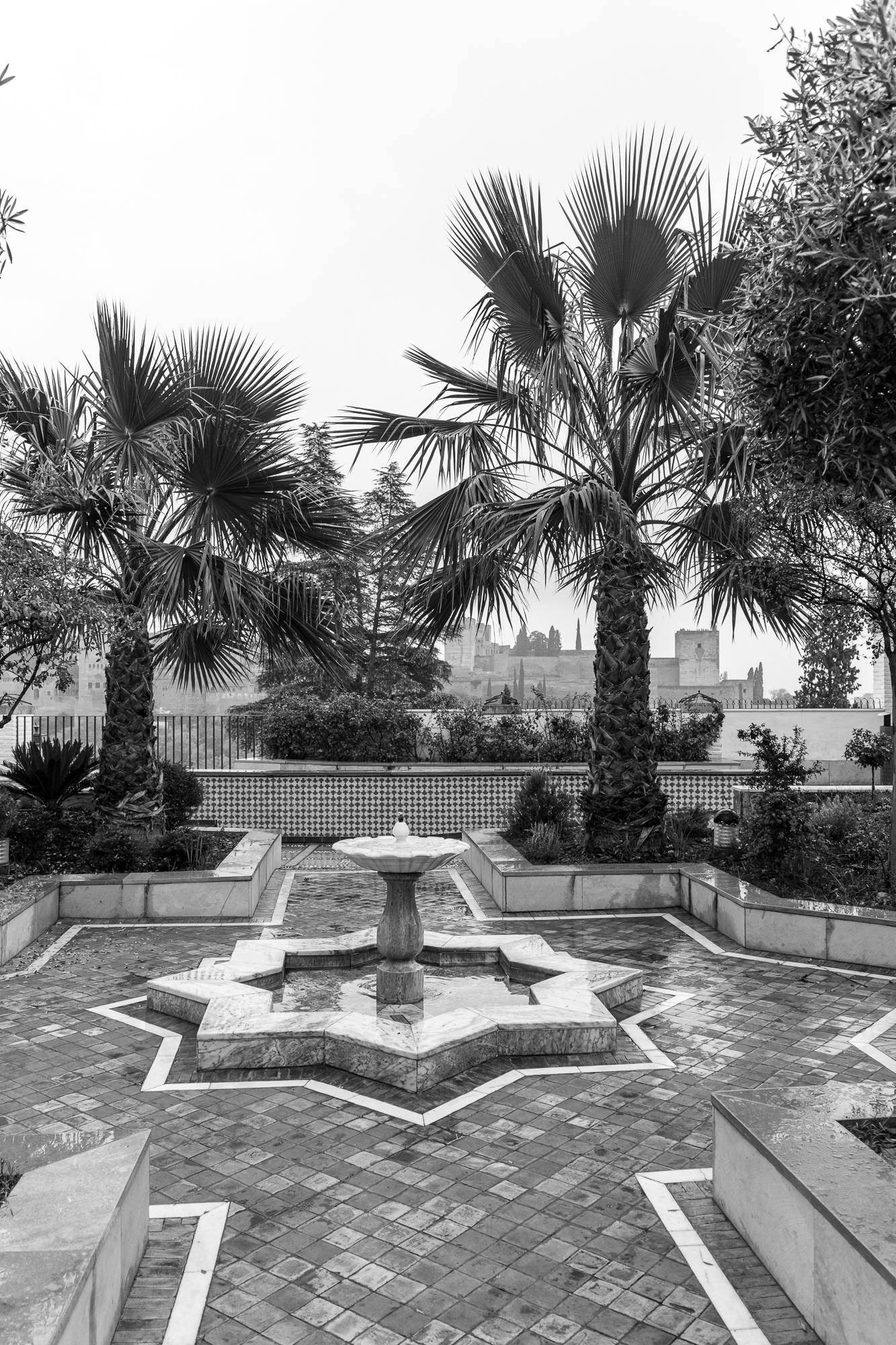
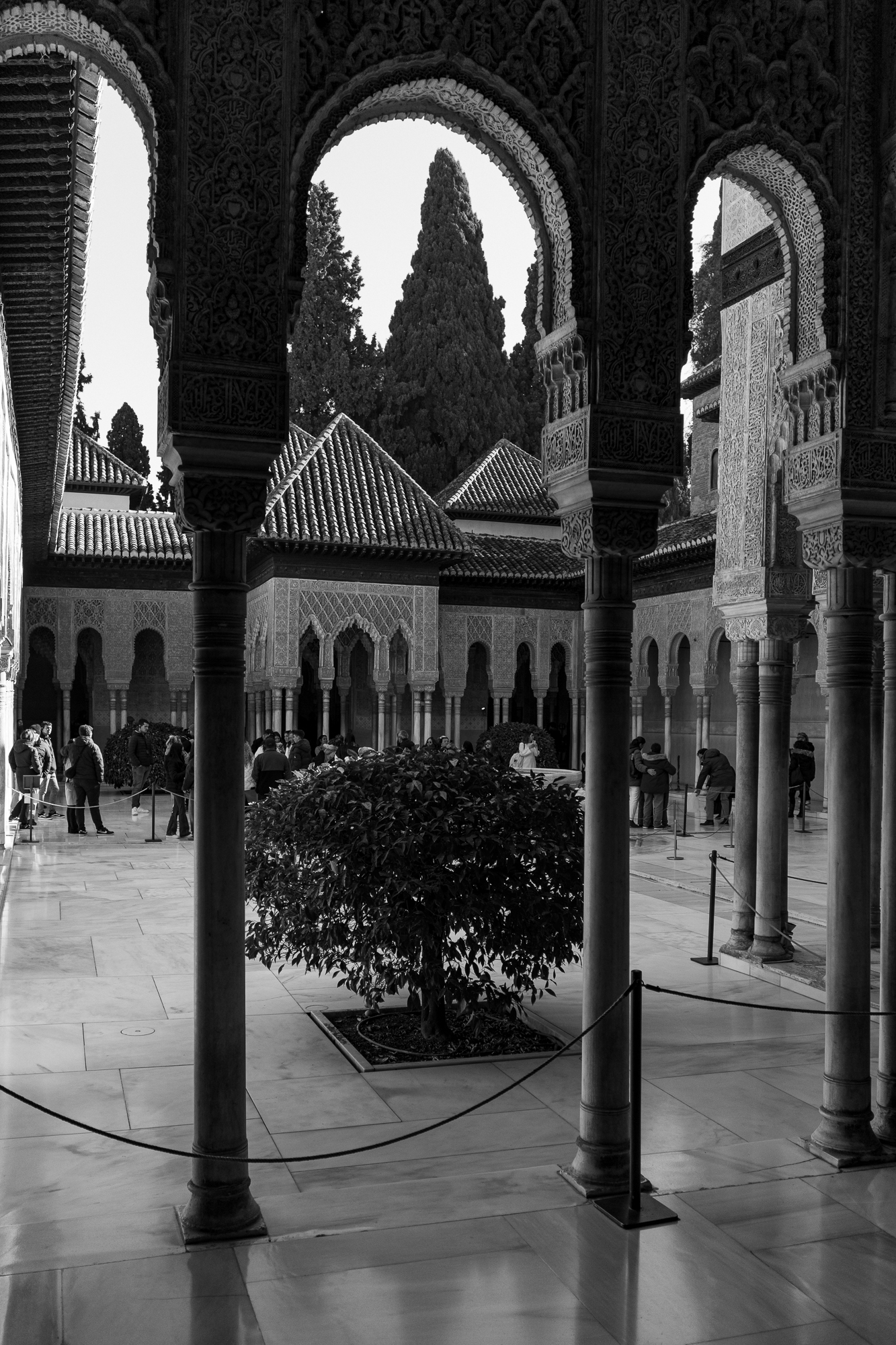
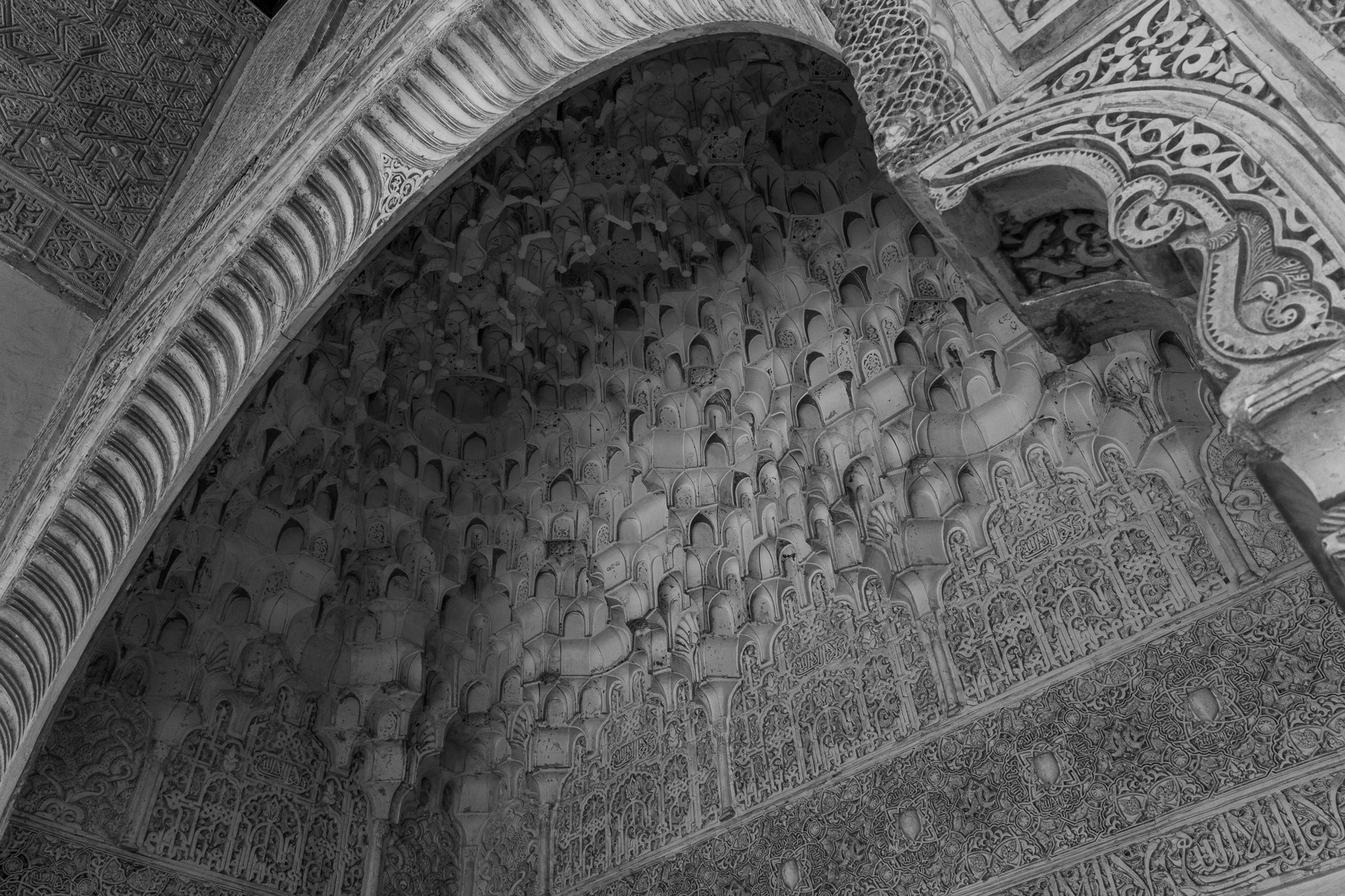
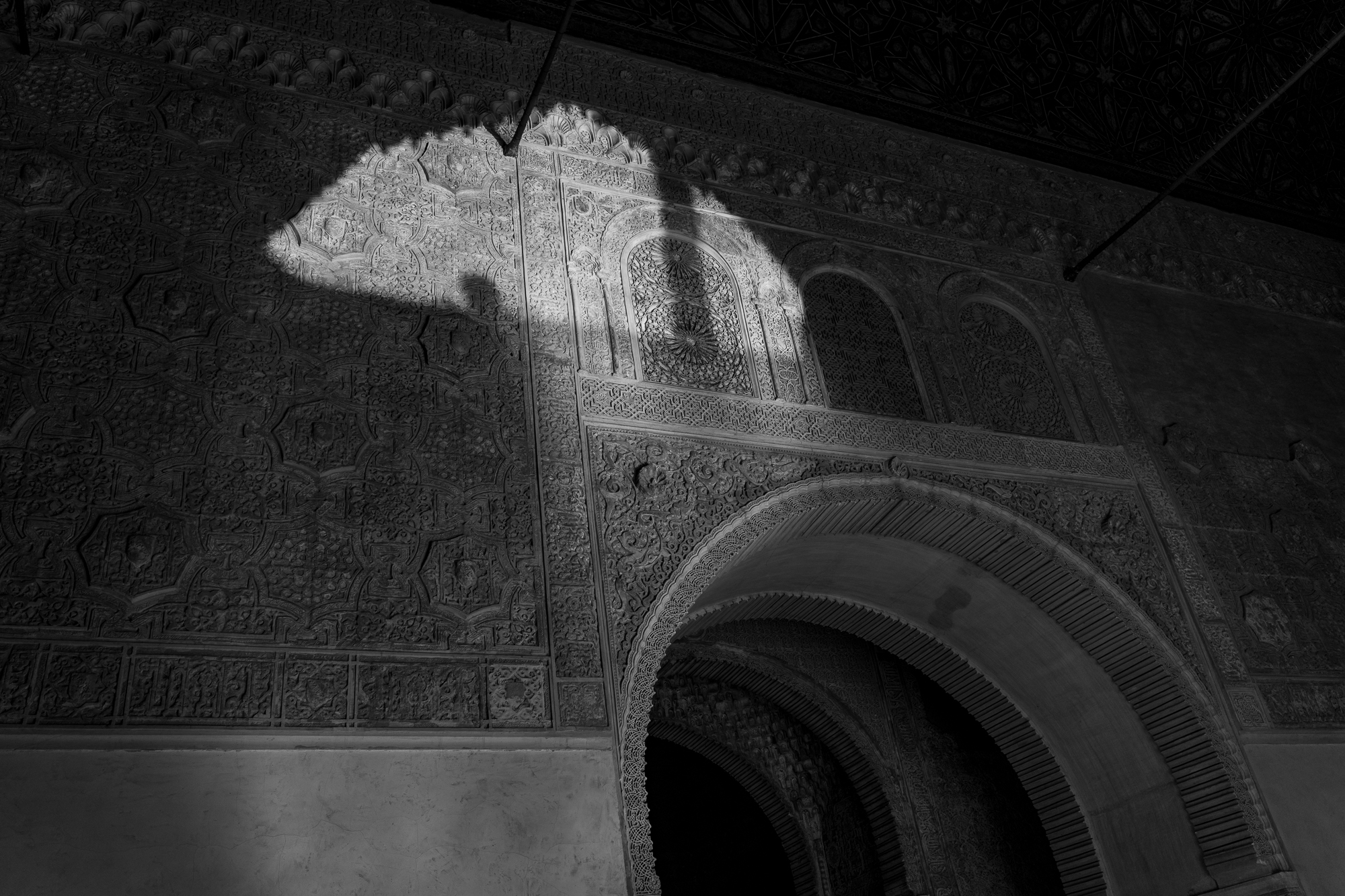
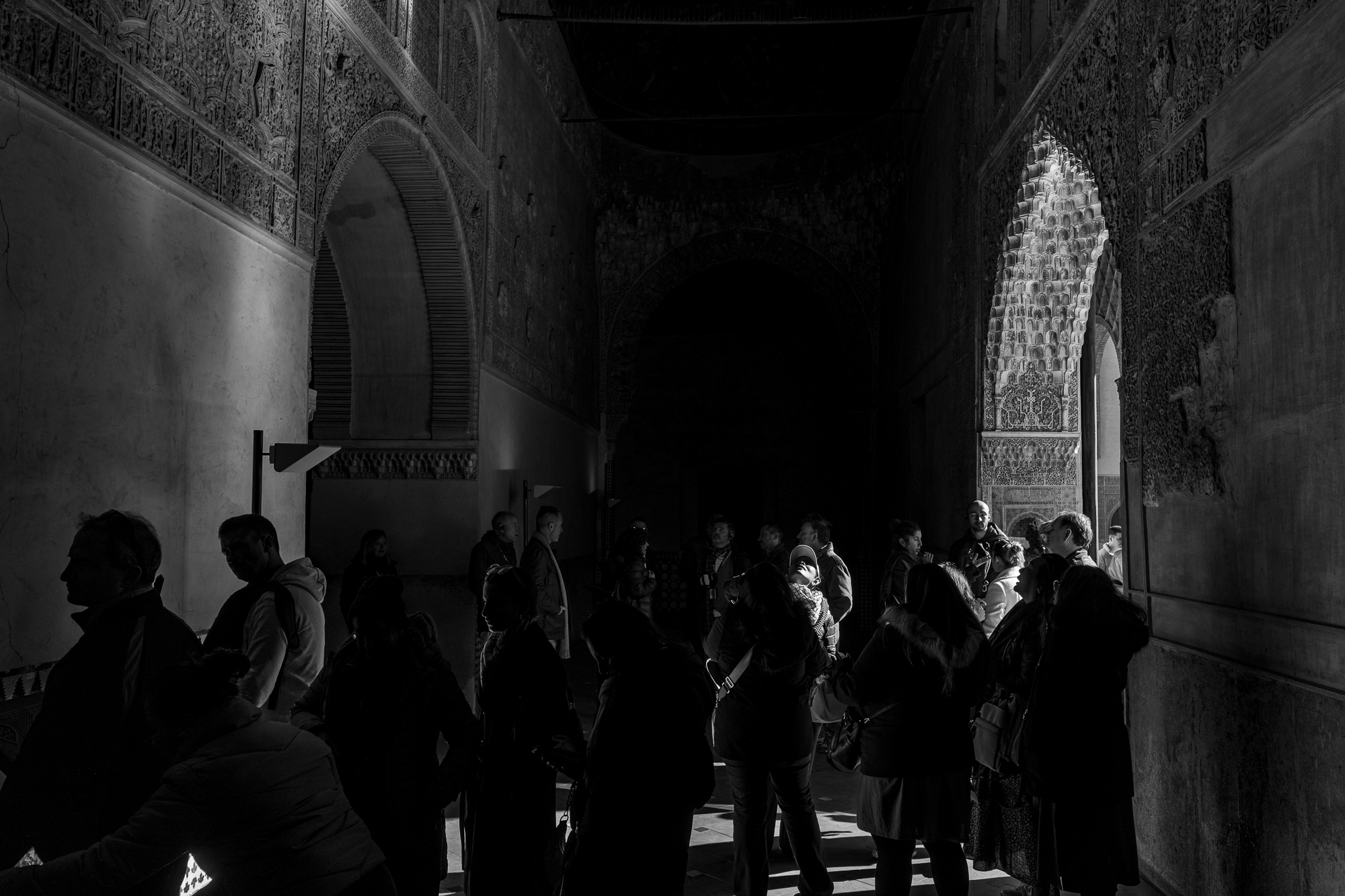
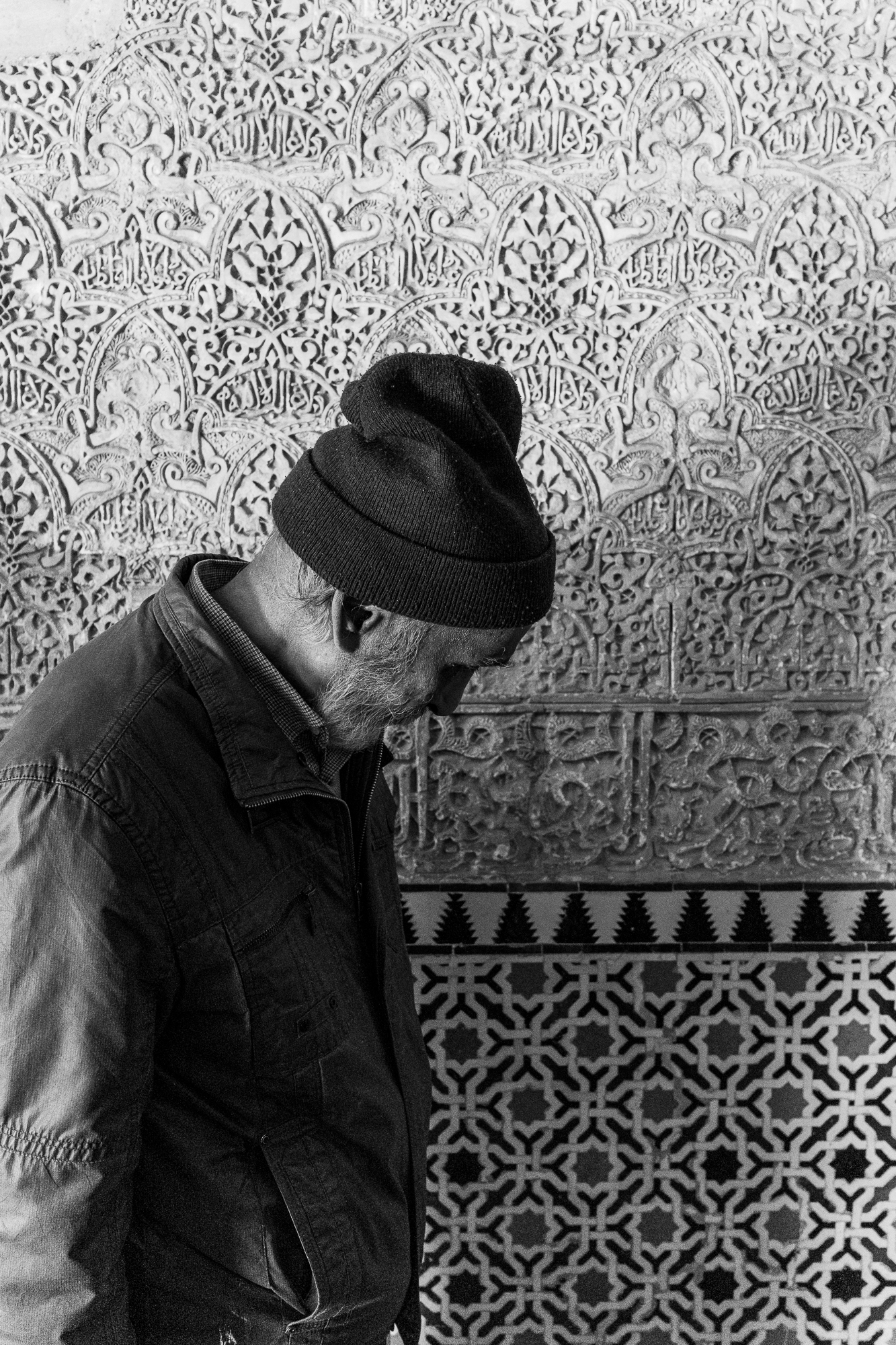
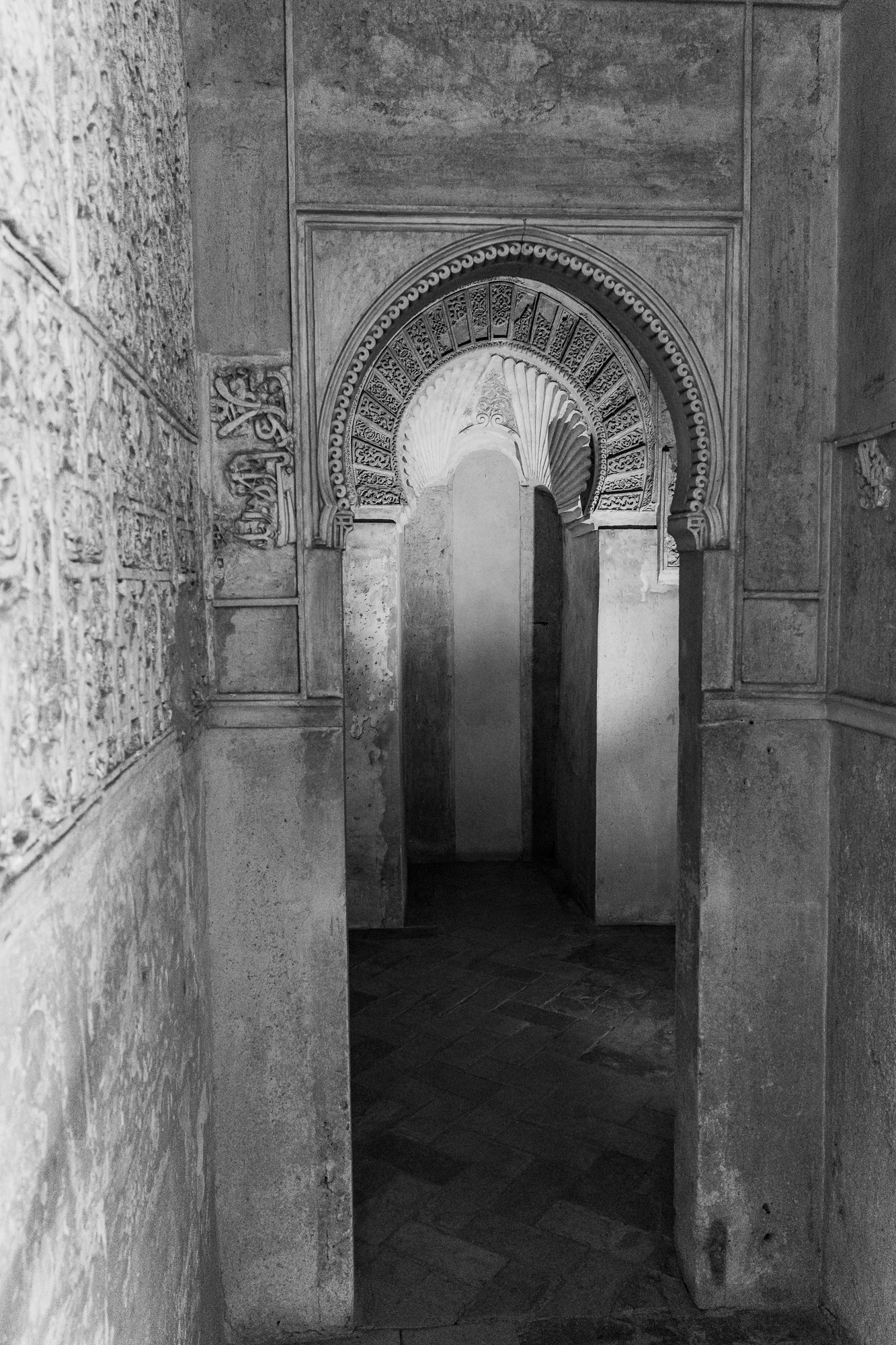
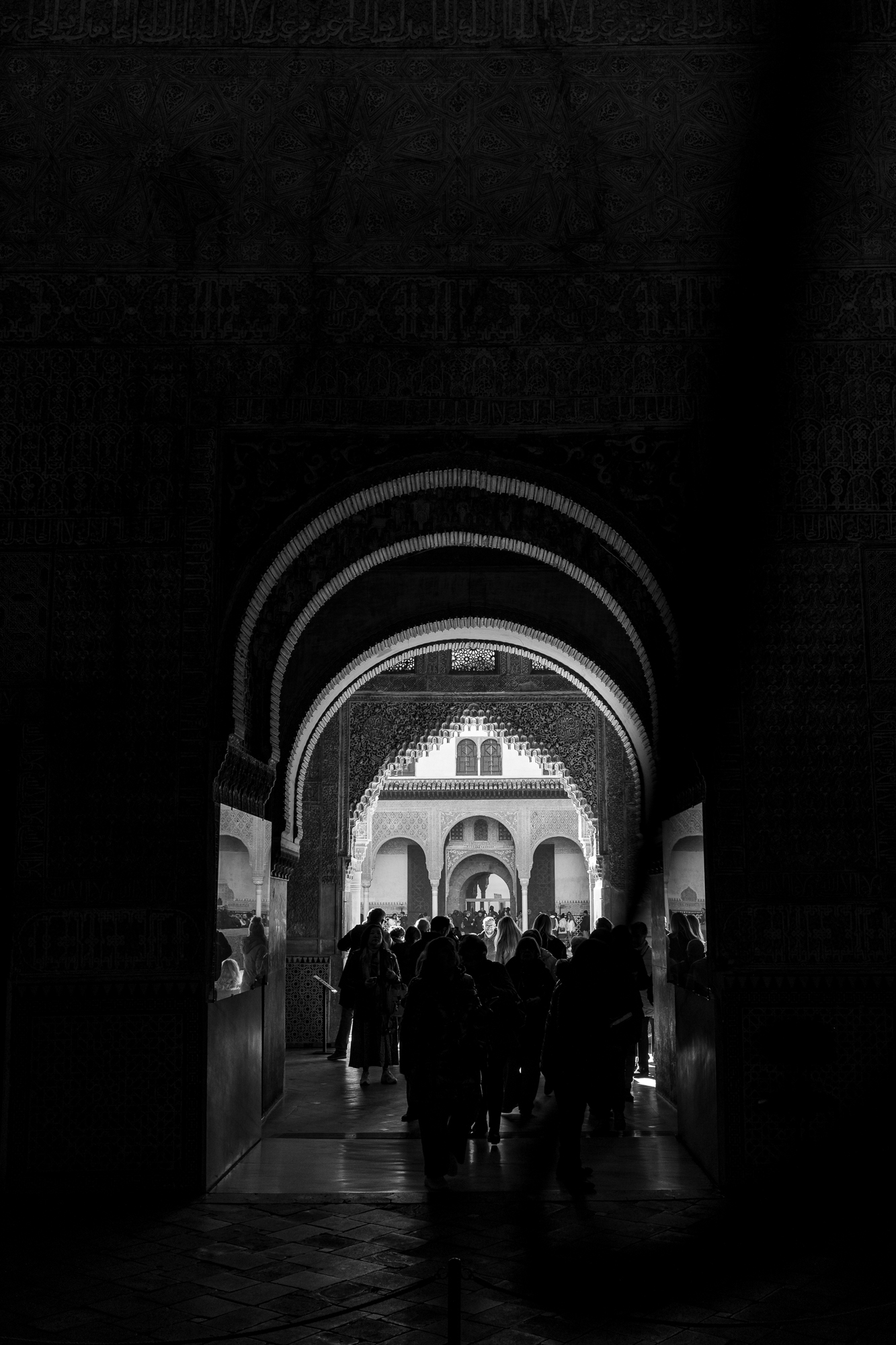
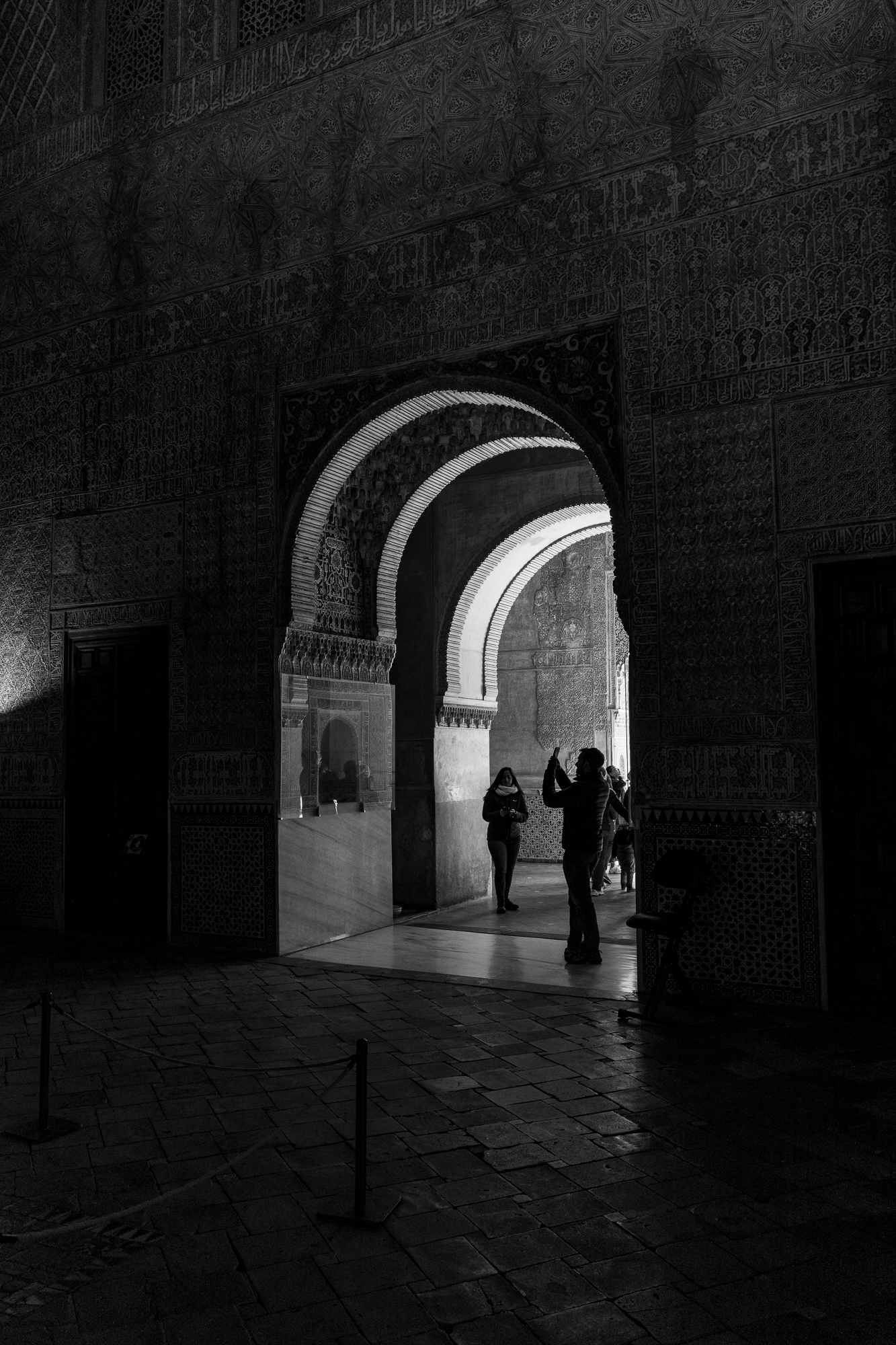
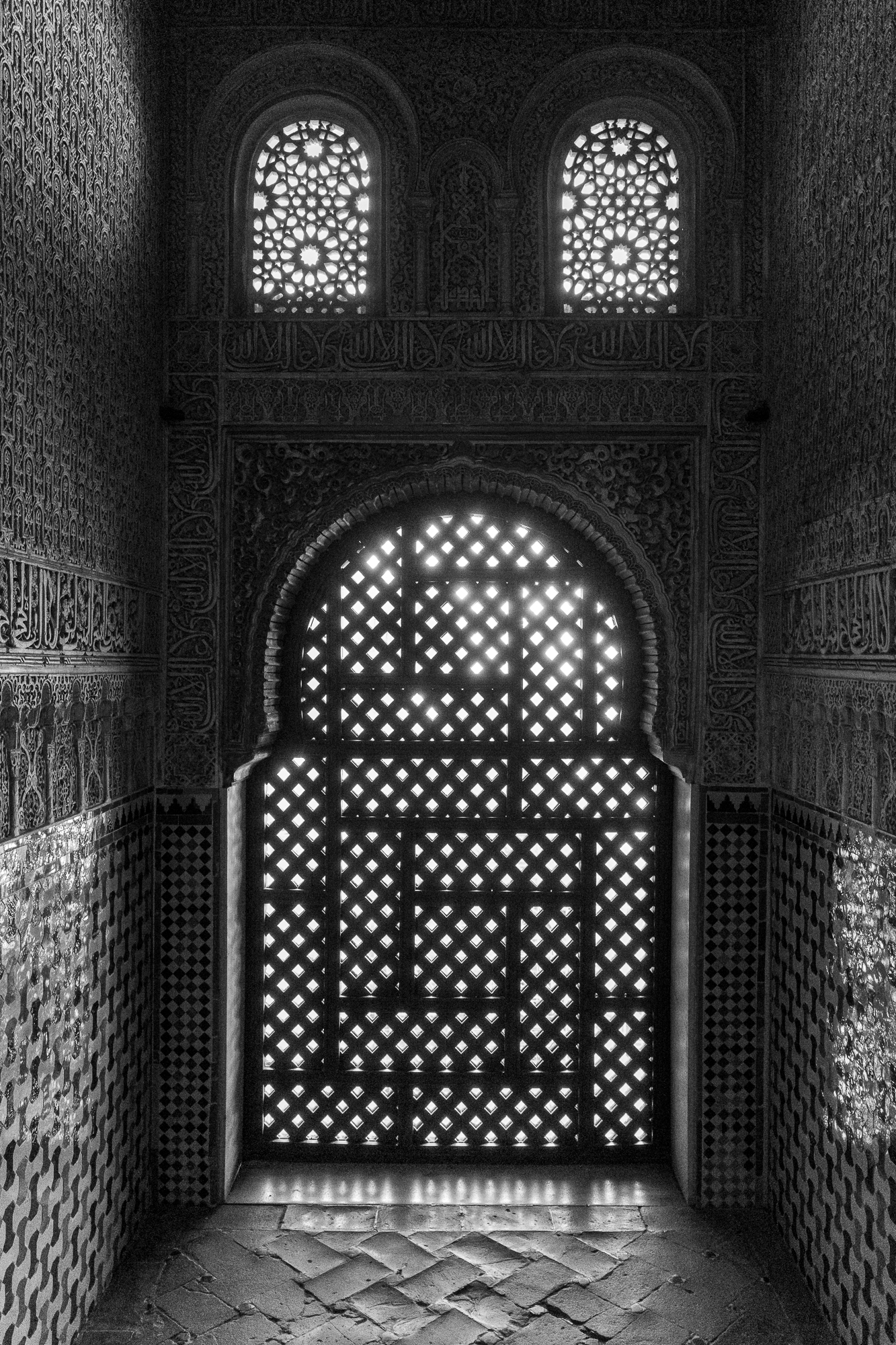
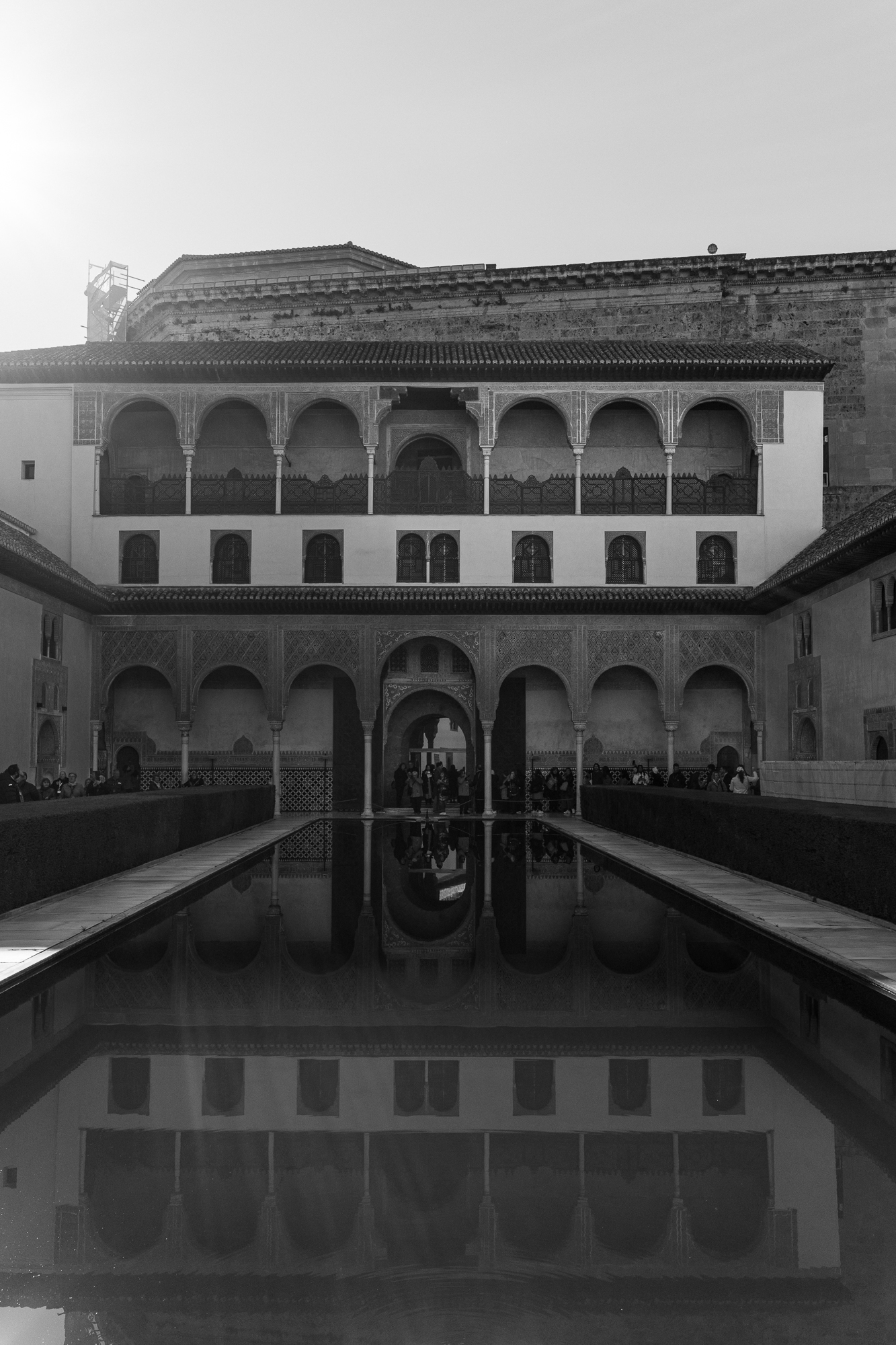
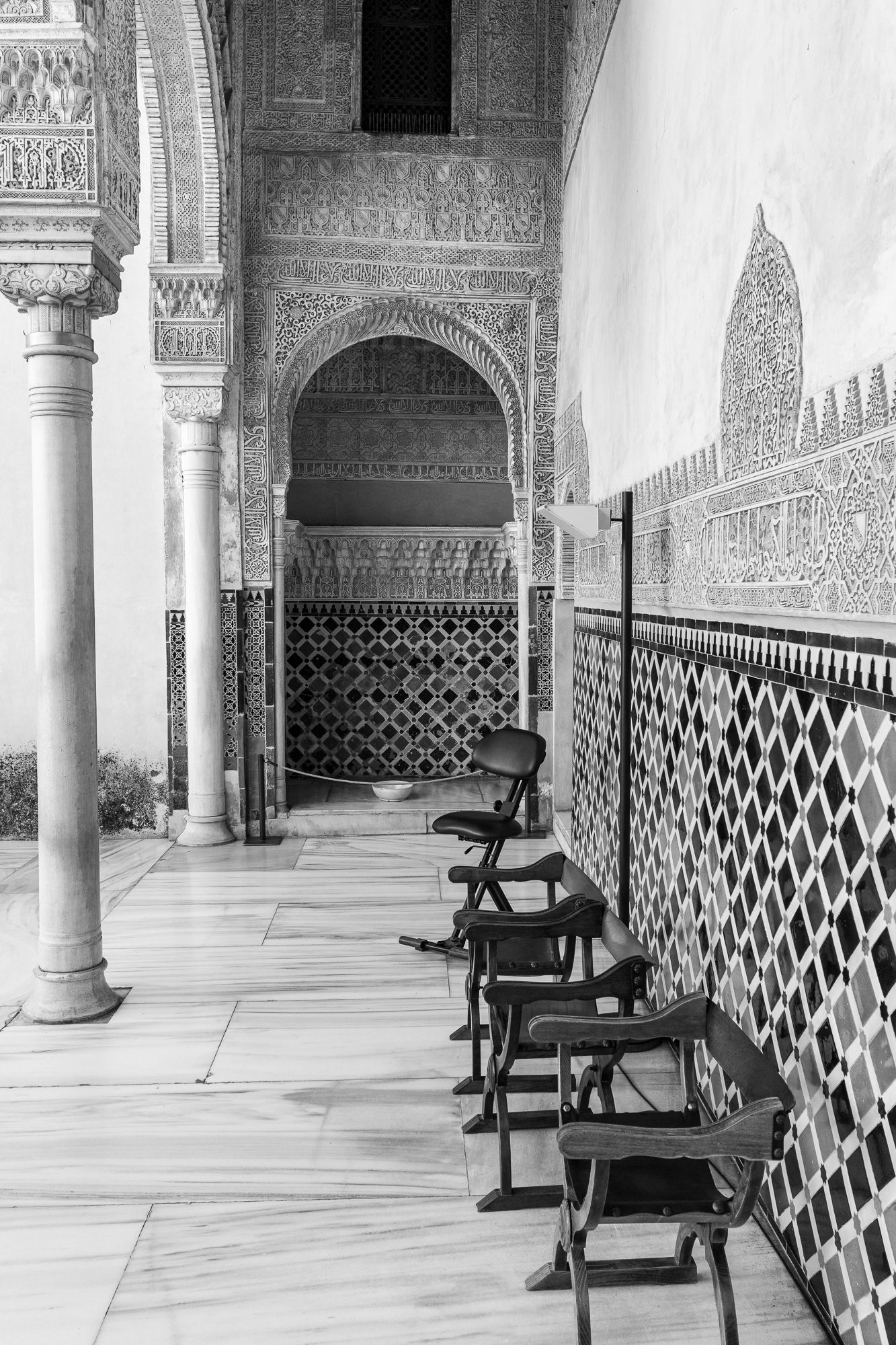
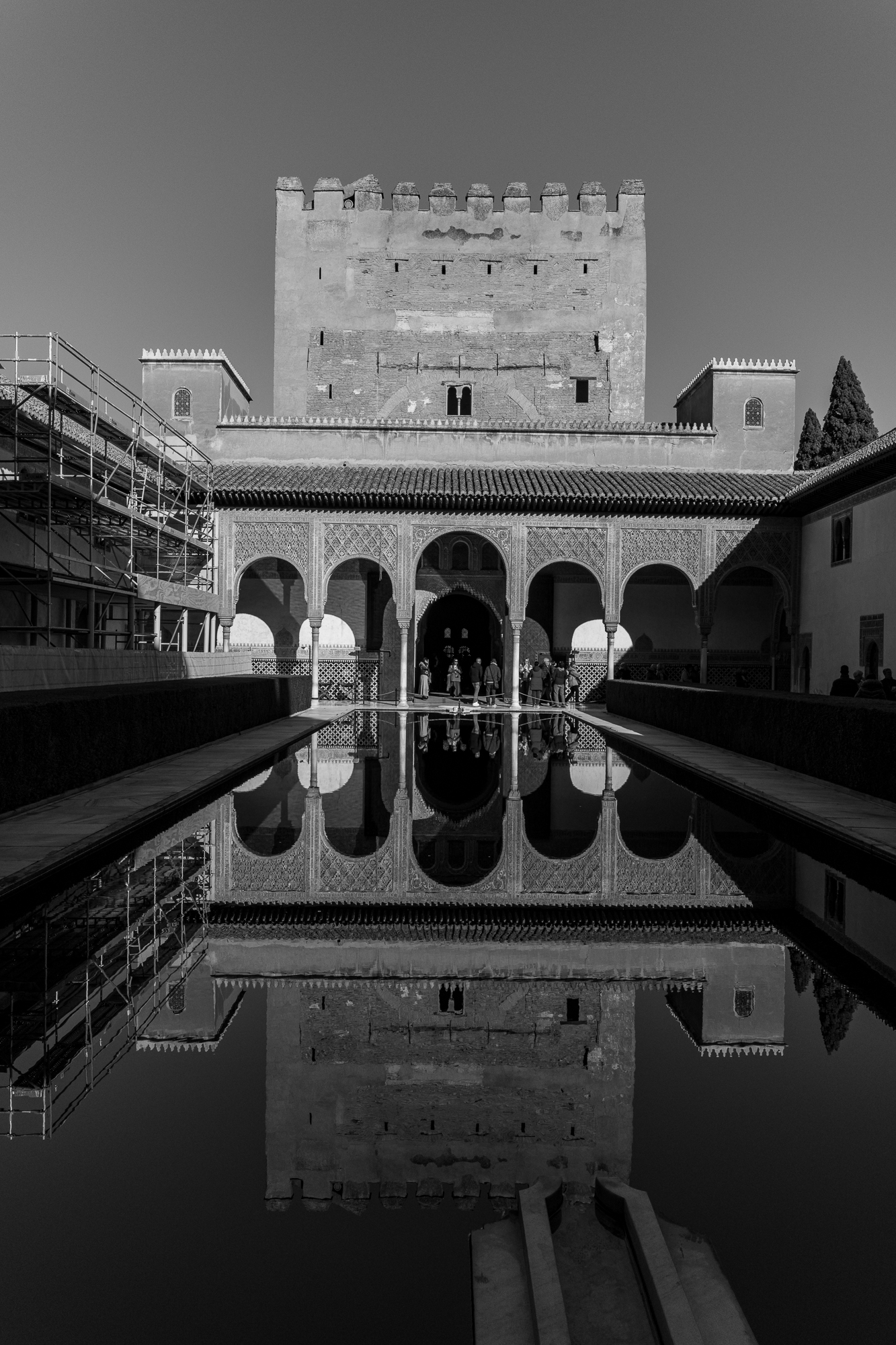
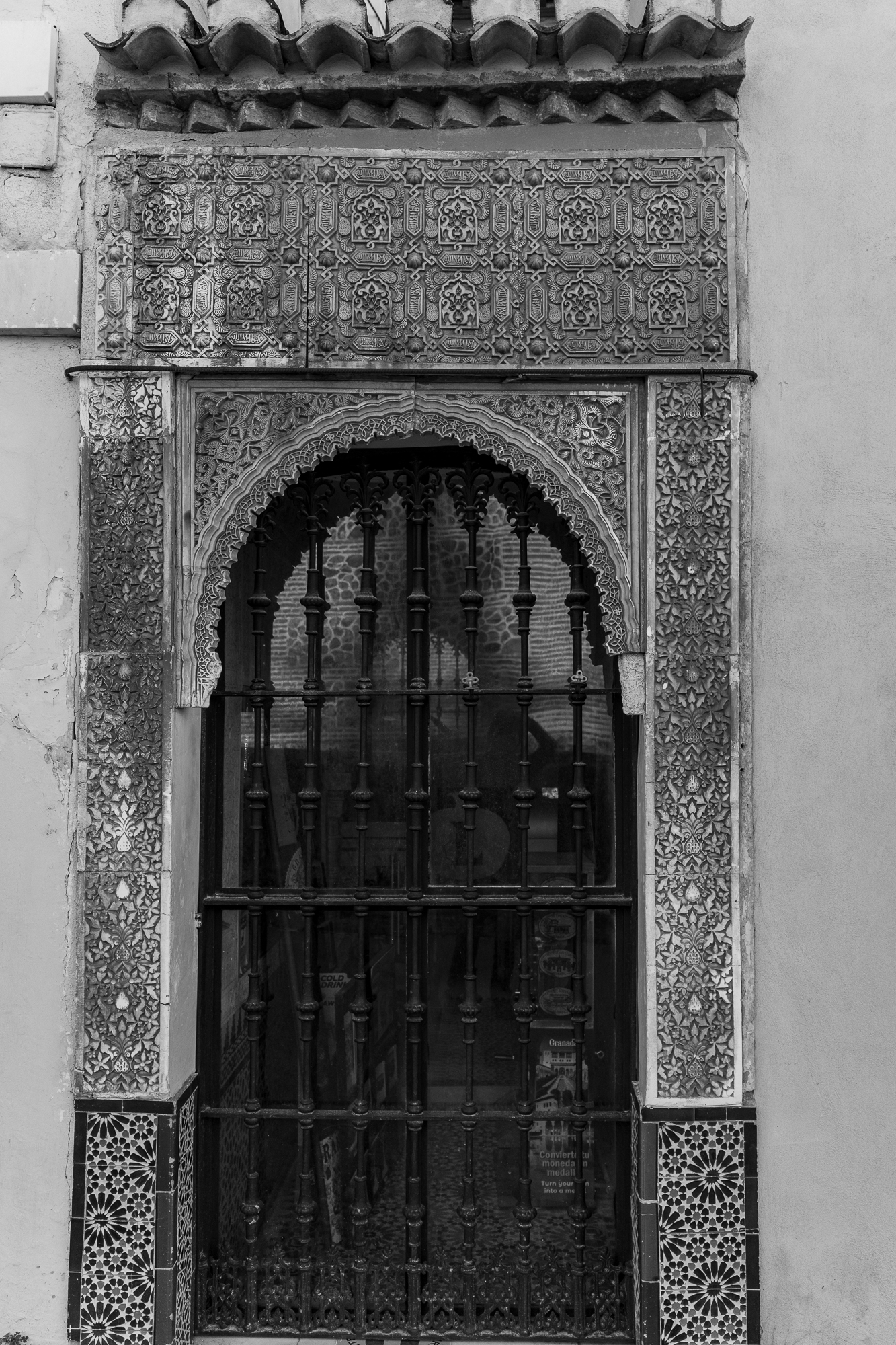
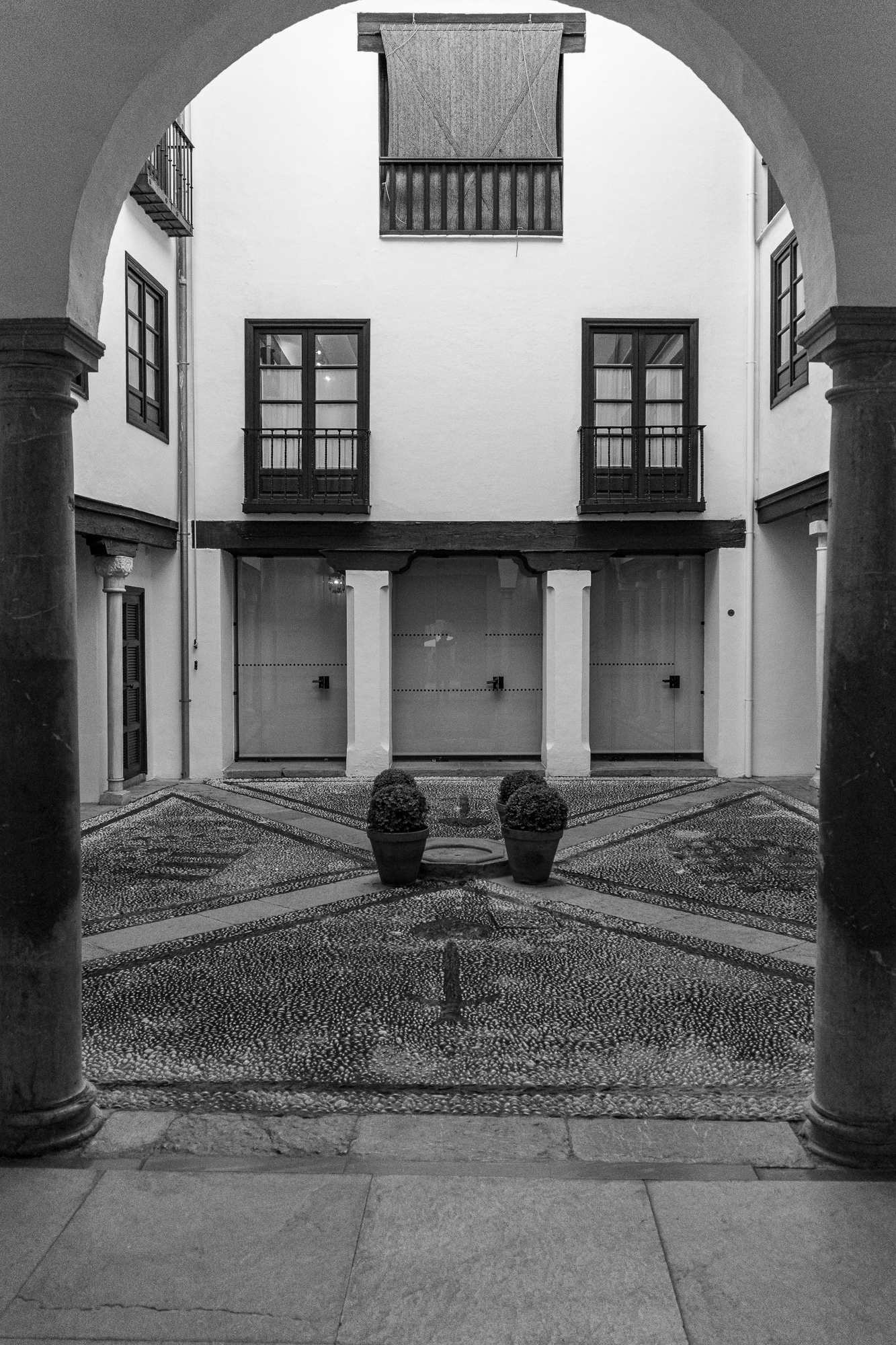
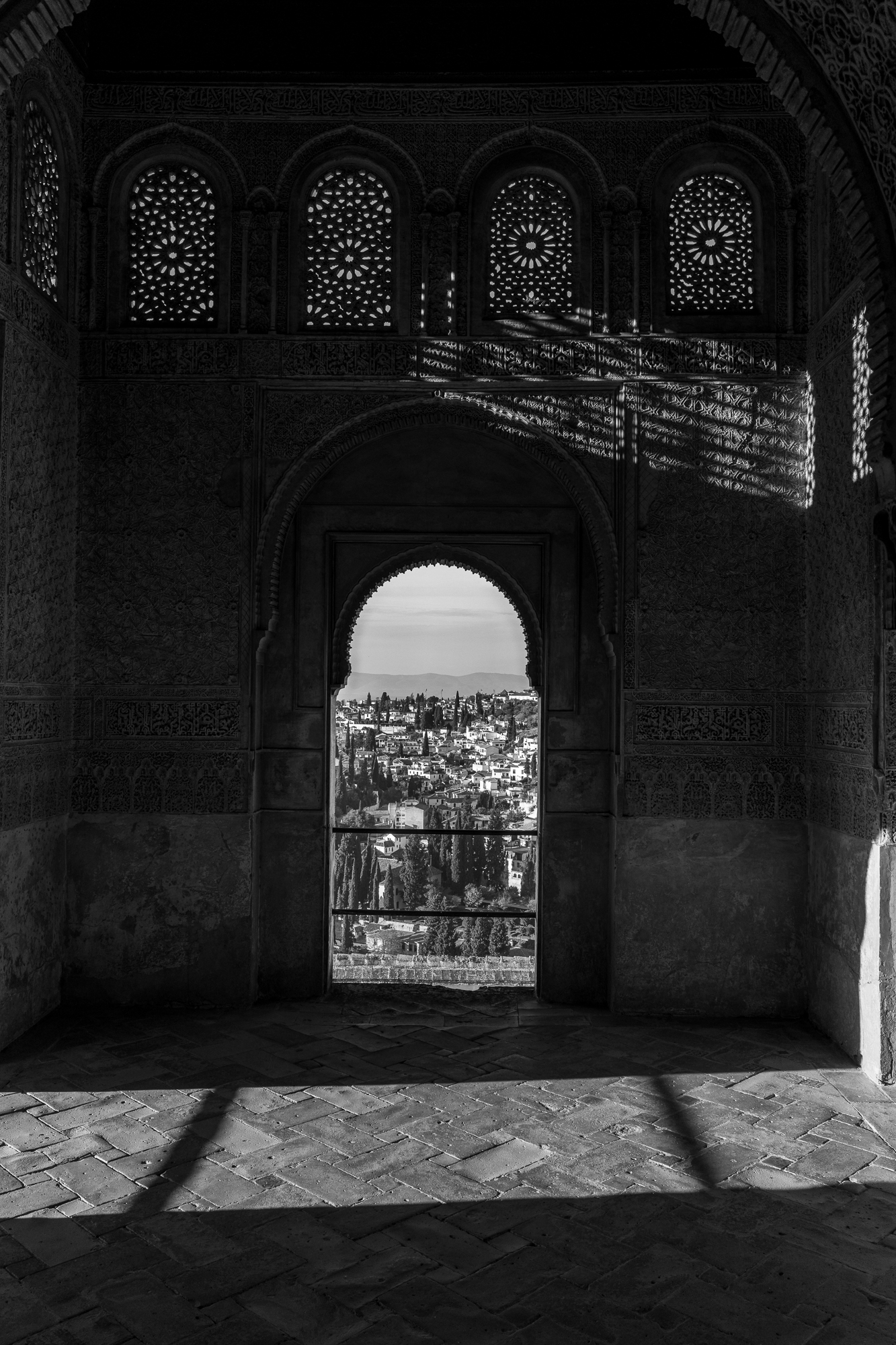
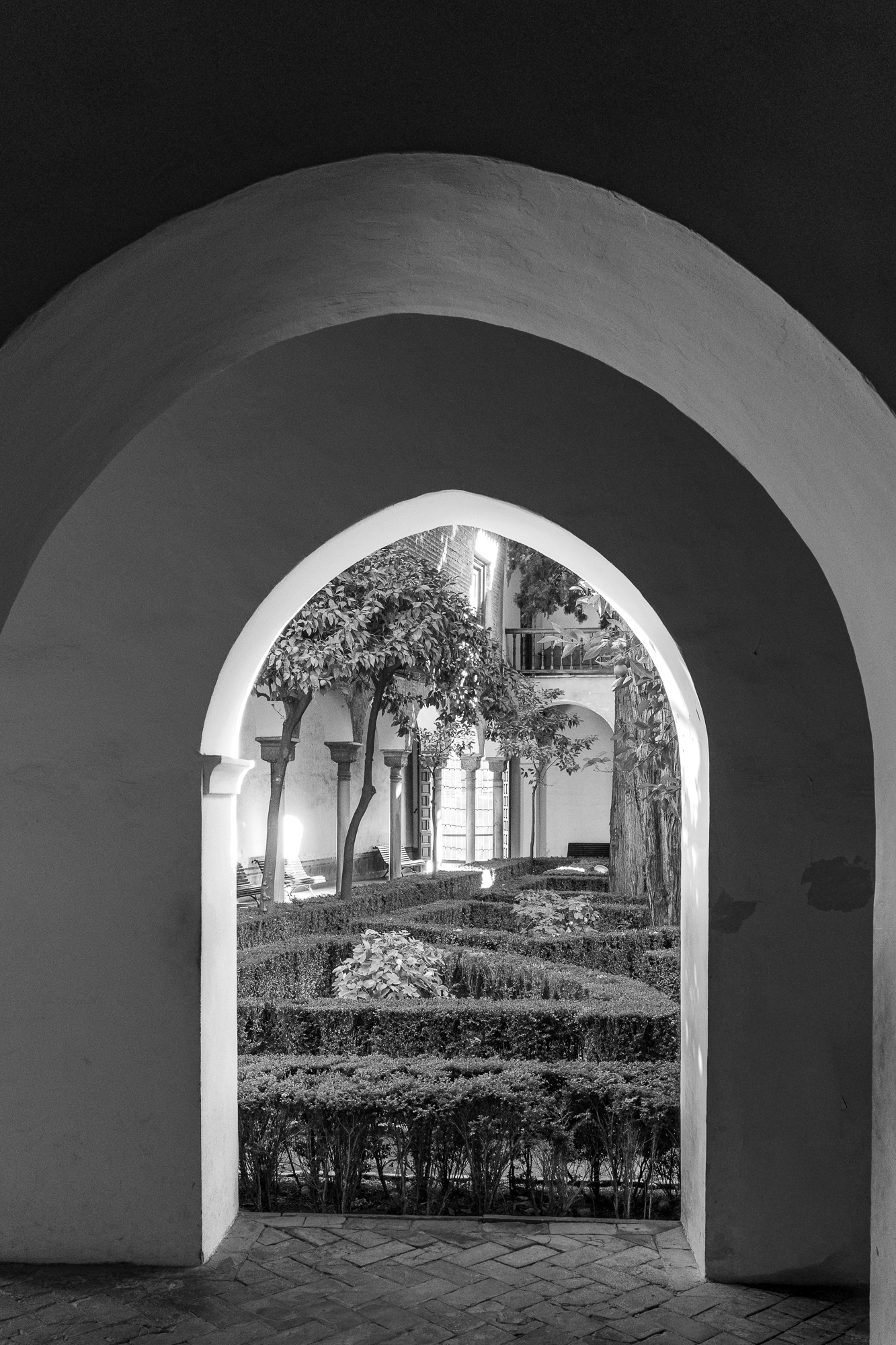
The Alhambra stands as the city’s crowning jewel — a masterpiece of Nasrid architecture that balances strength with delicacy. Its carved stucco walls, intricate geometric patterns, and flowing Arabic calligraphy speak of a civilisation that revered knowledge, symmetry, and spirituality. Courtyards such as the Patio de los Arrayanes and the Court of the Lions reveal an architectural philosophy centred on balance, reflection, and serenity, where water mirrors both sky and stone.
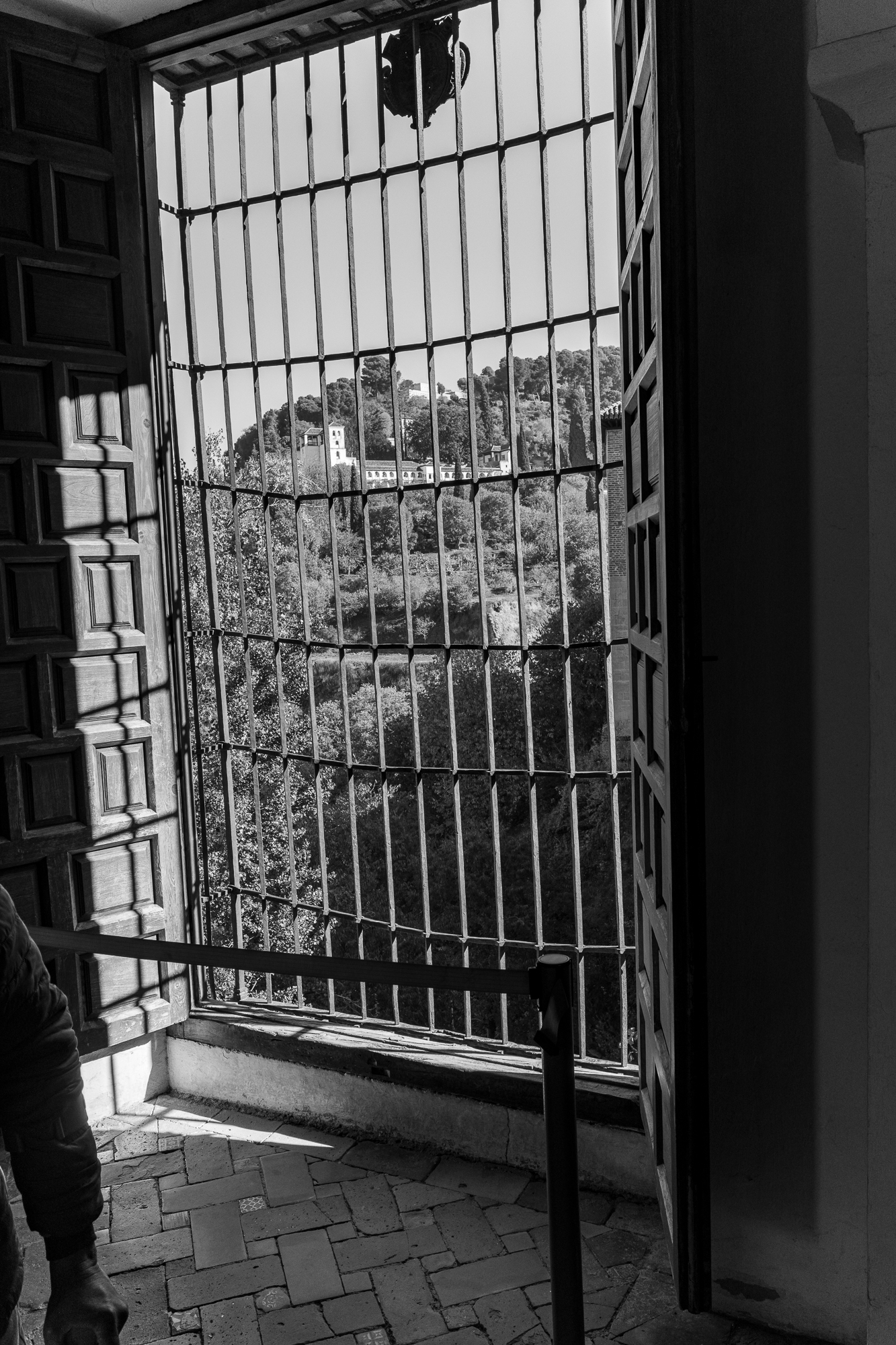
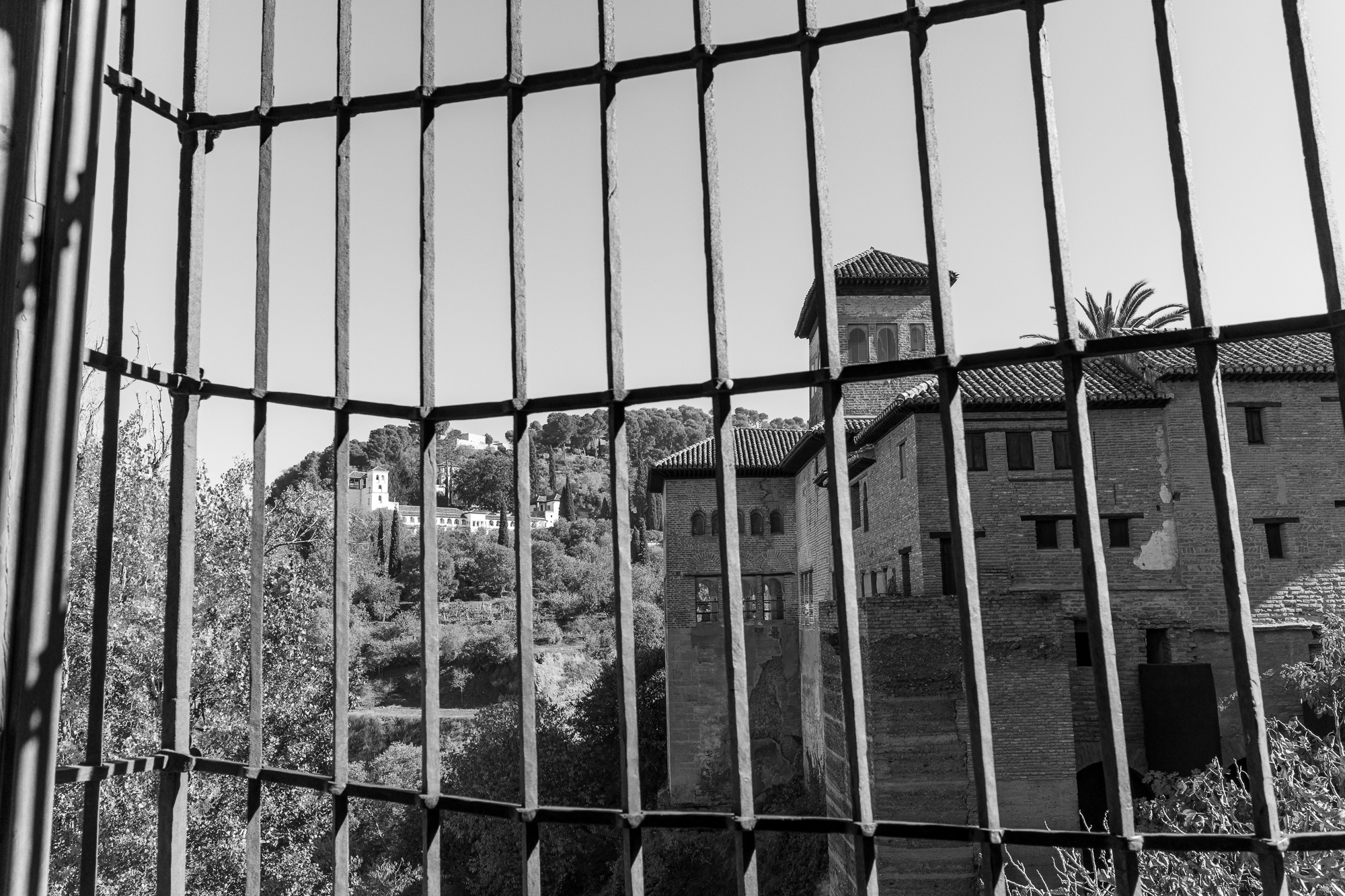
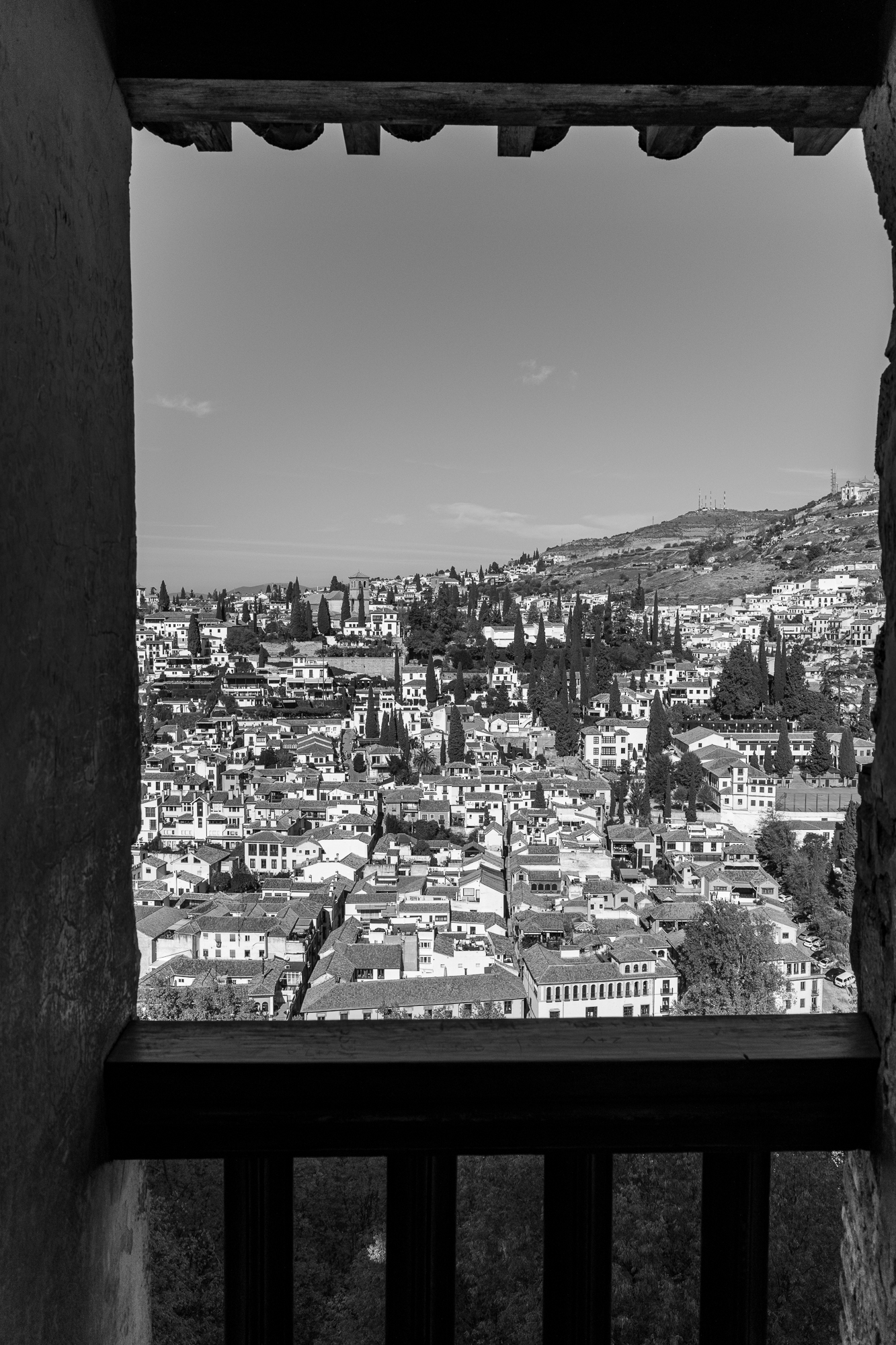
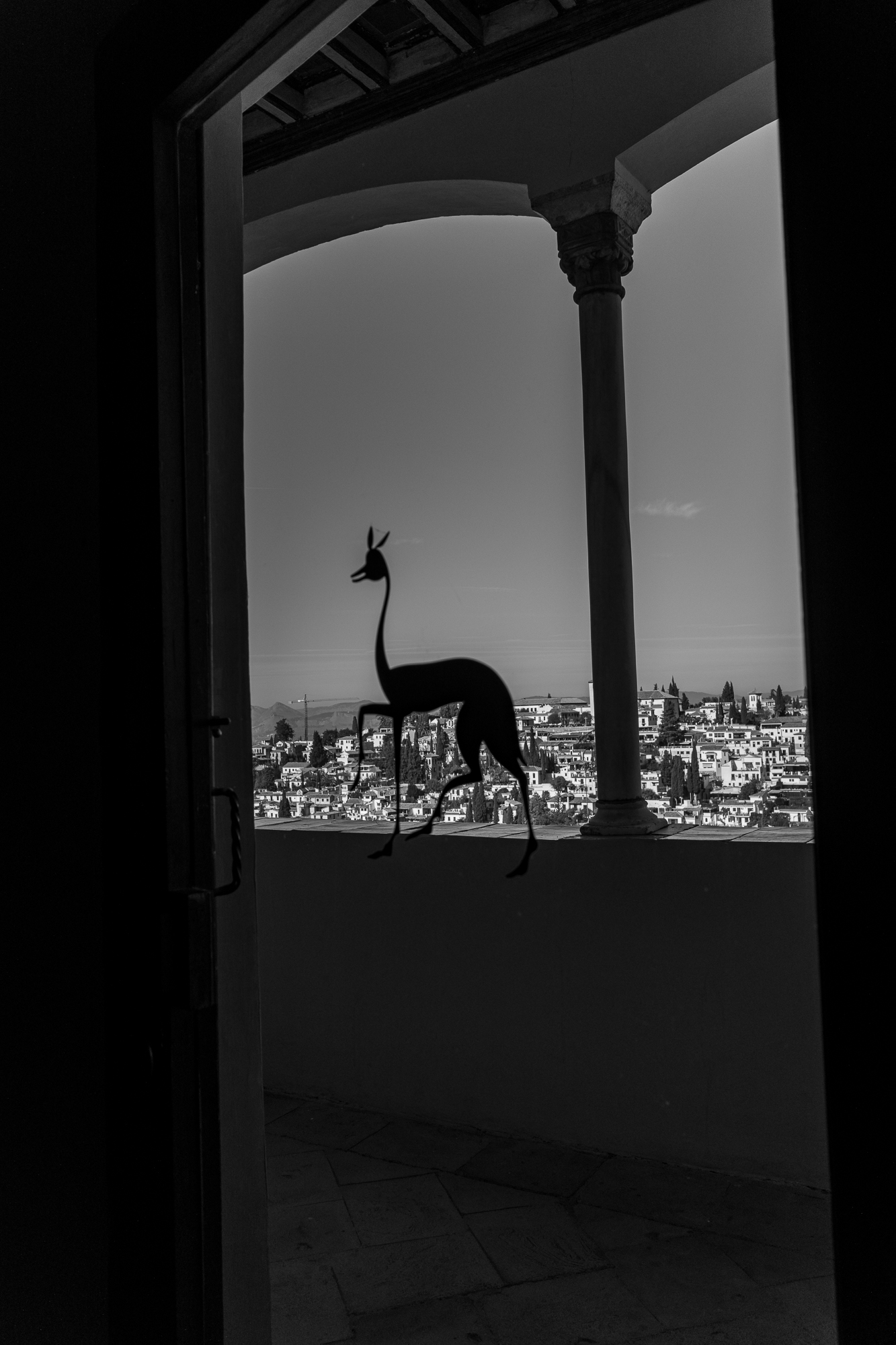
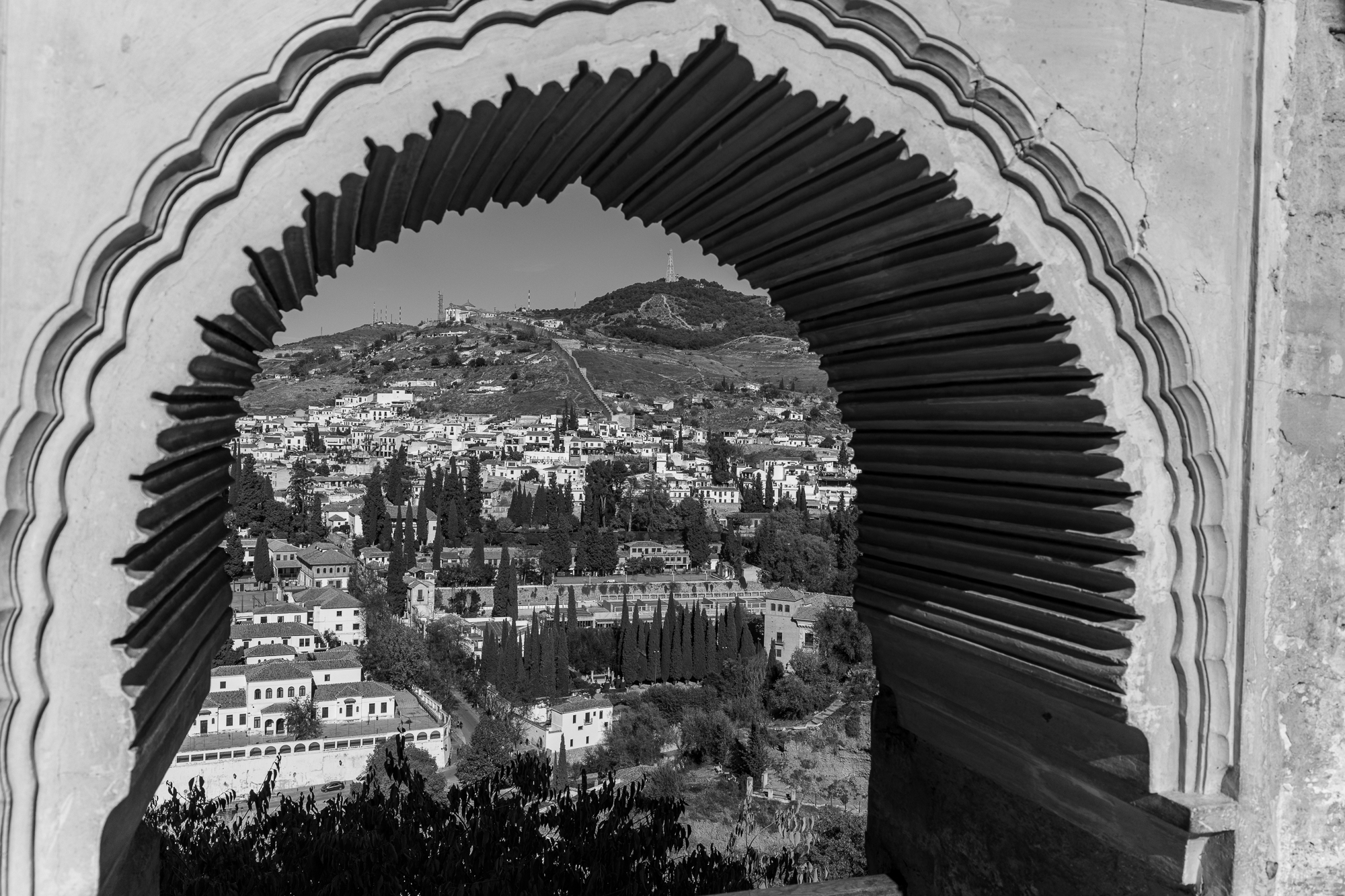
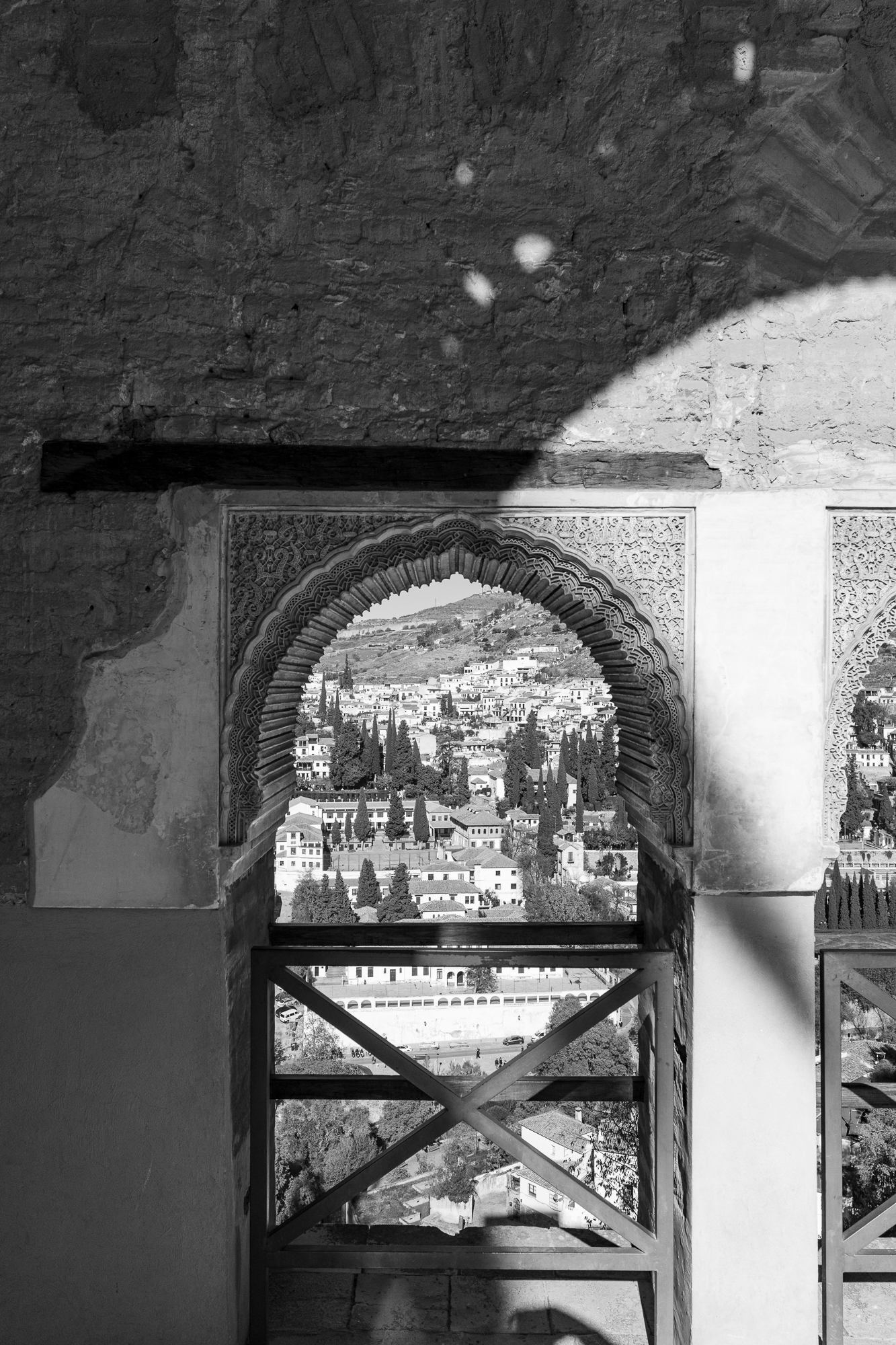
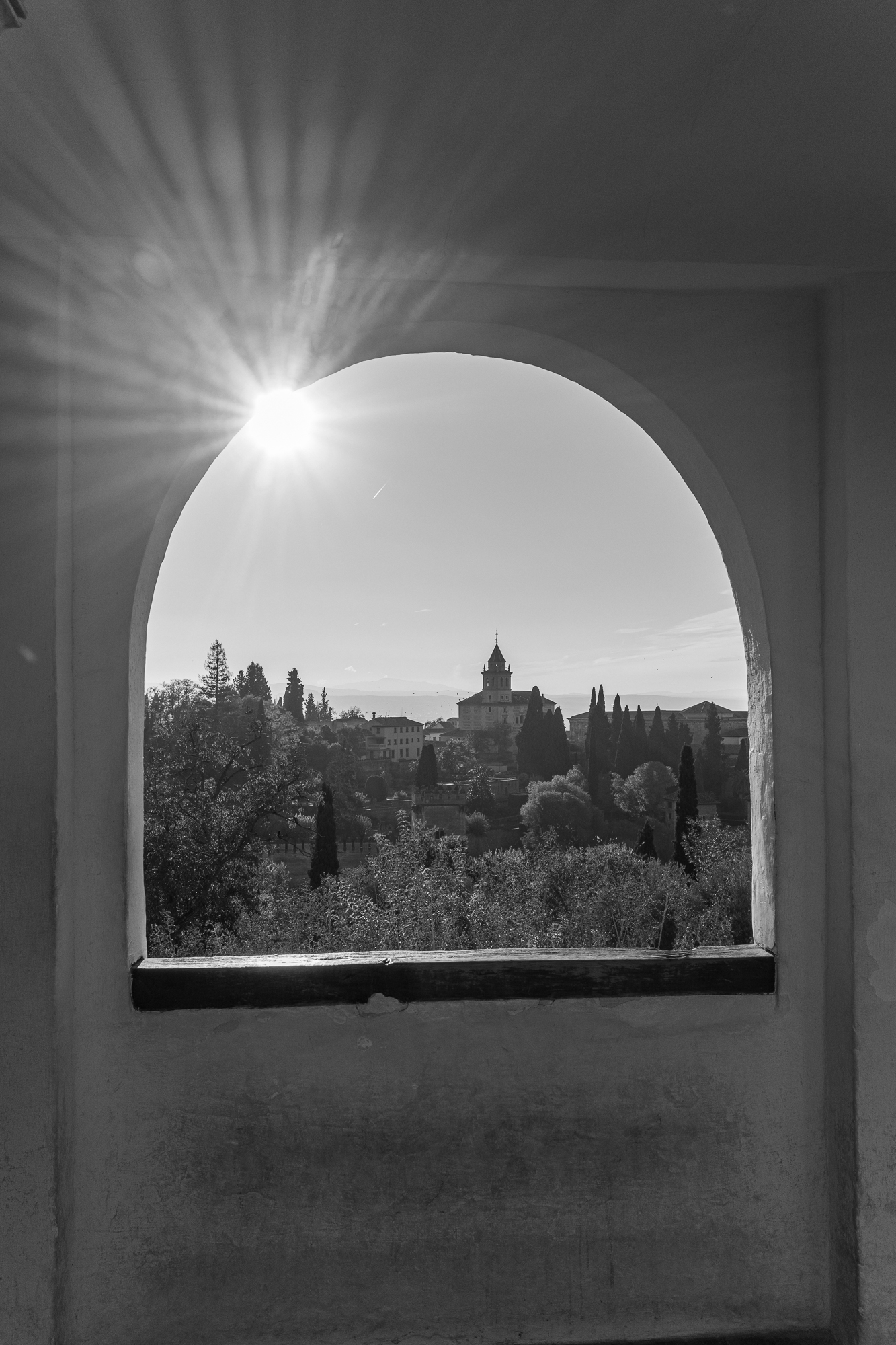
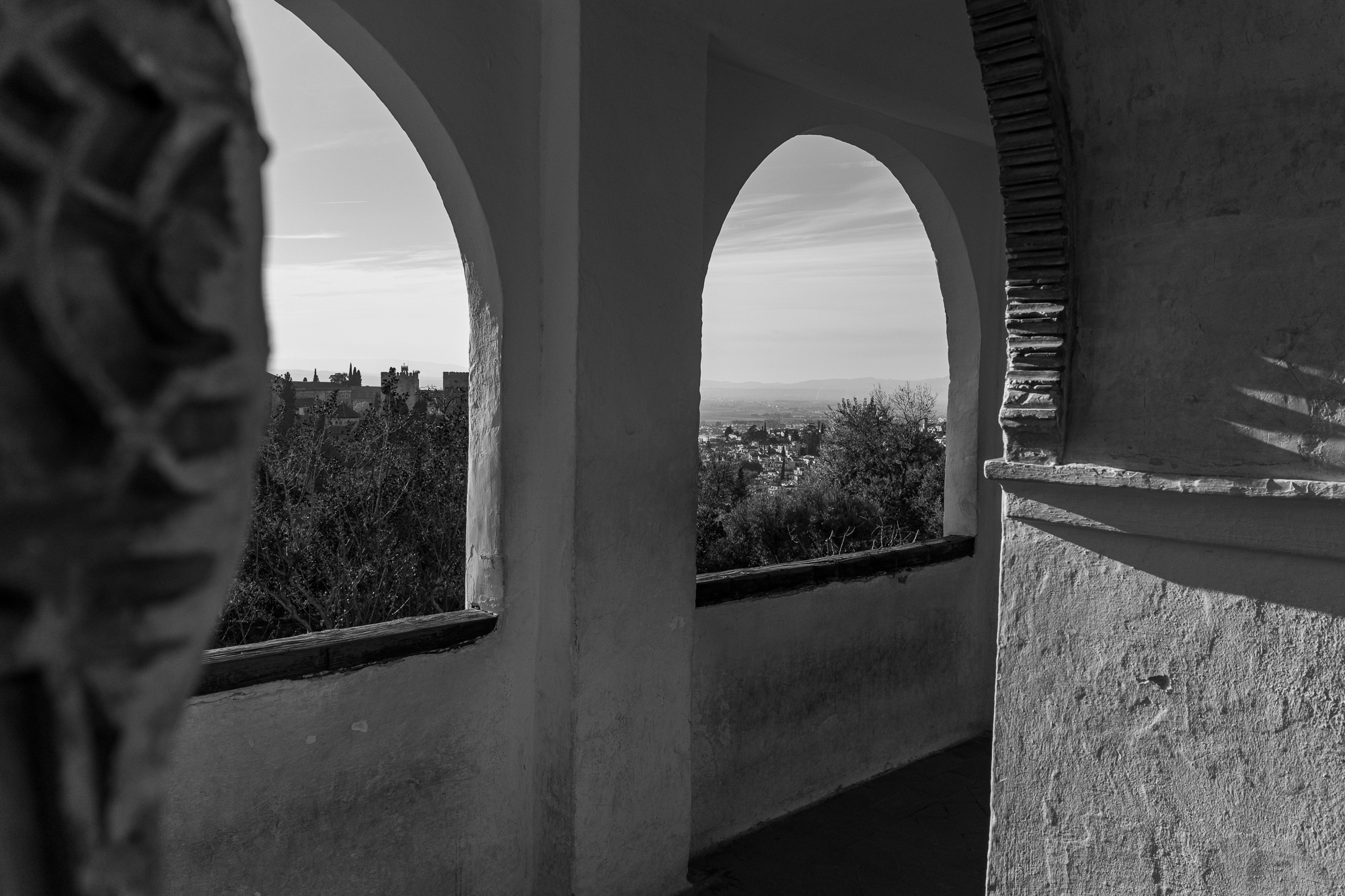
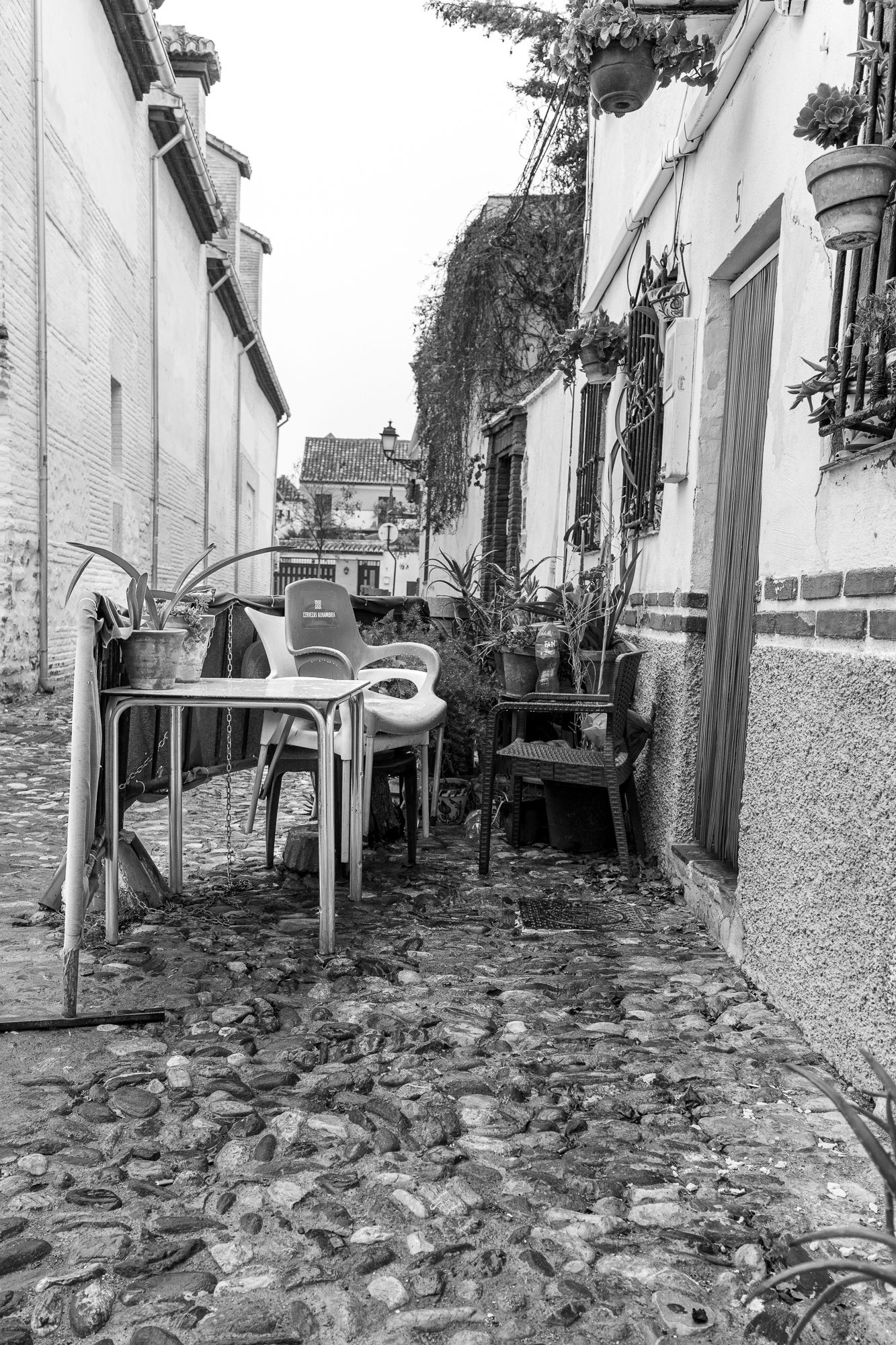
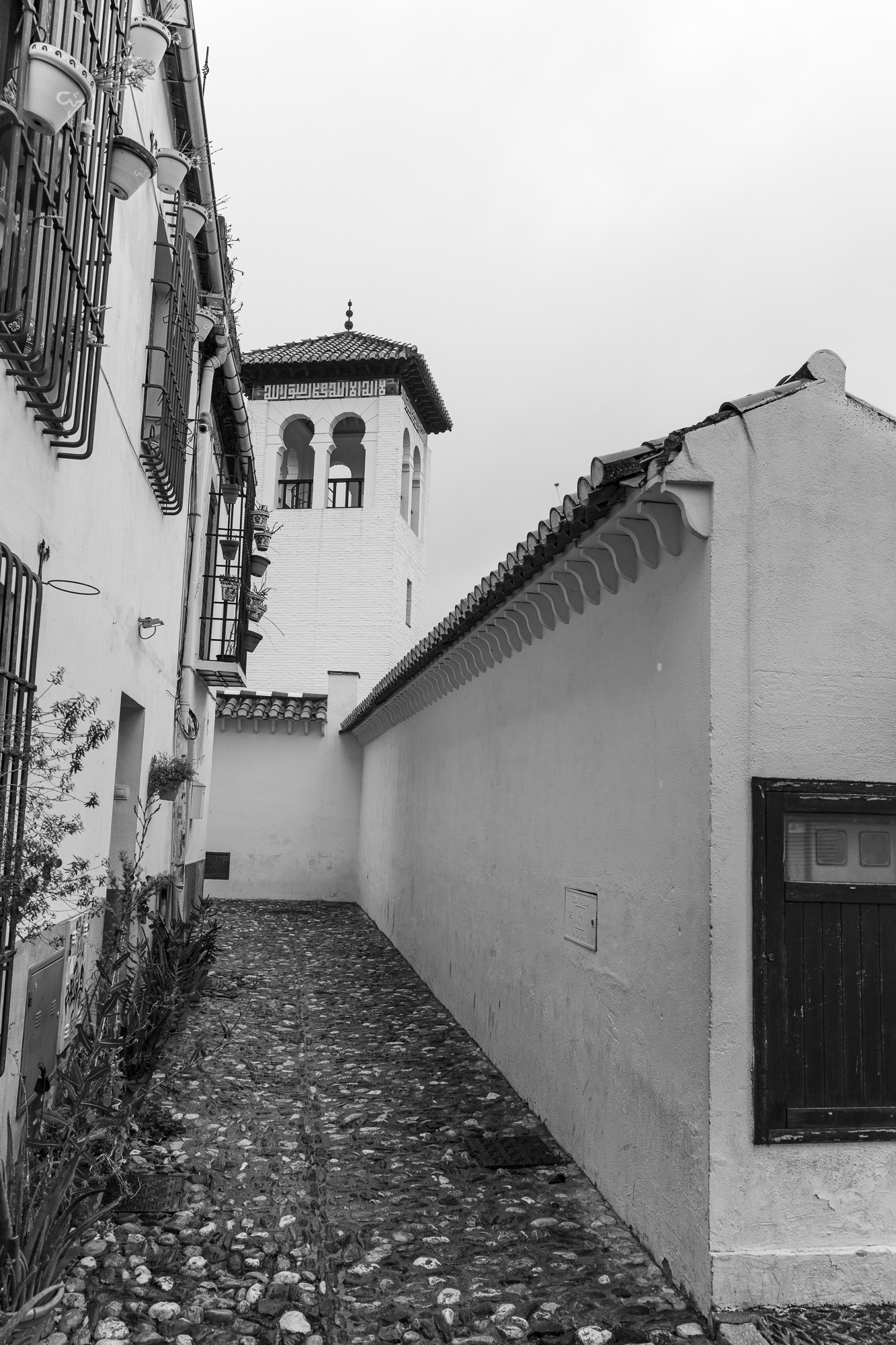
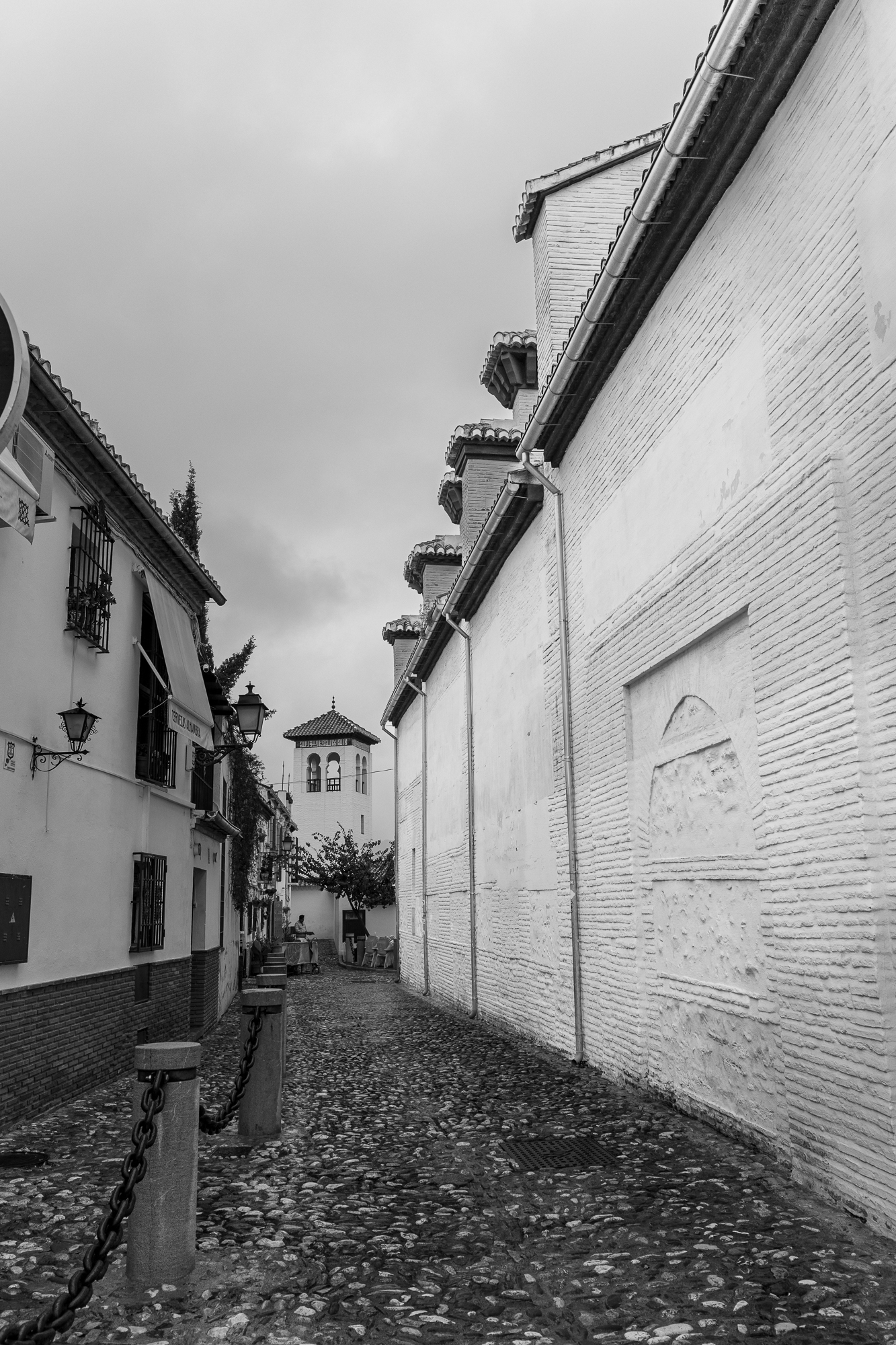
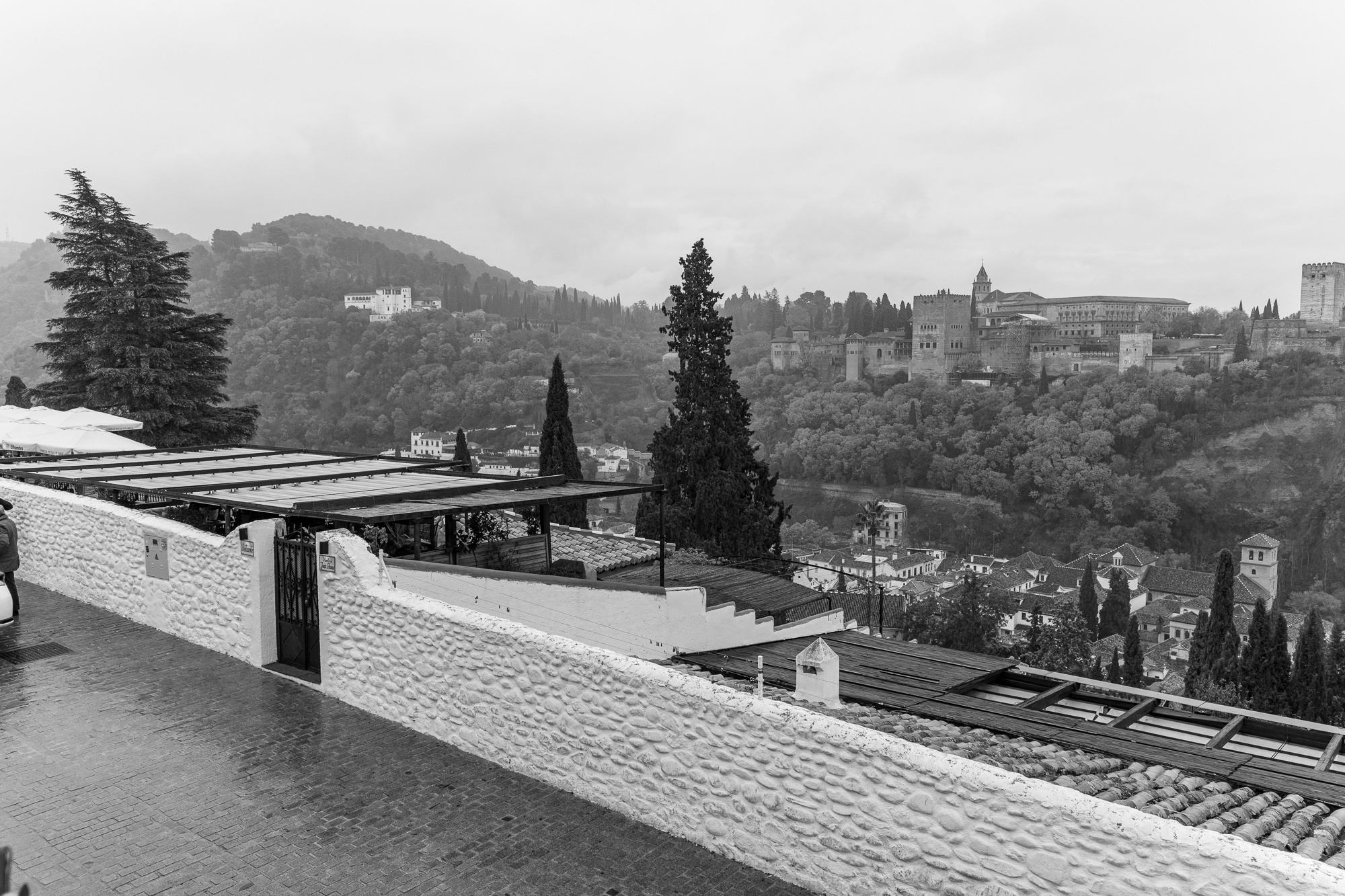
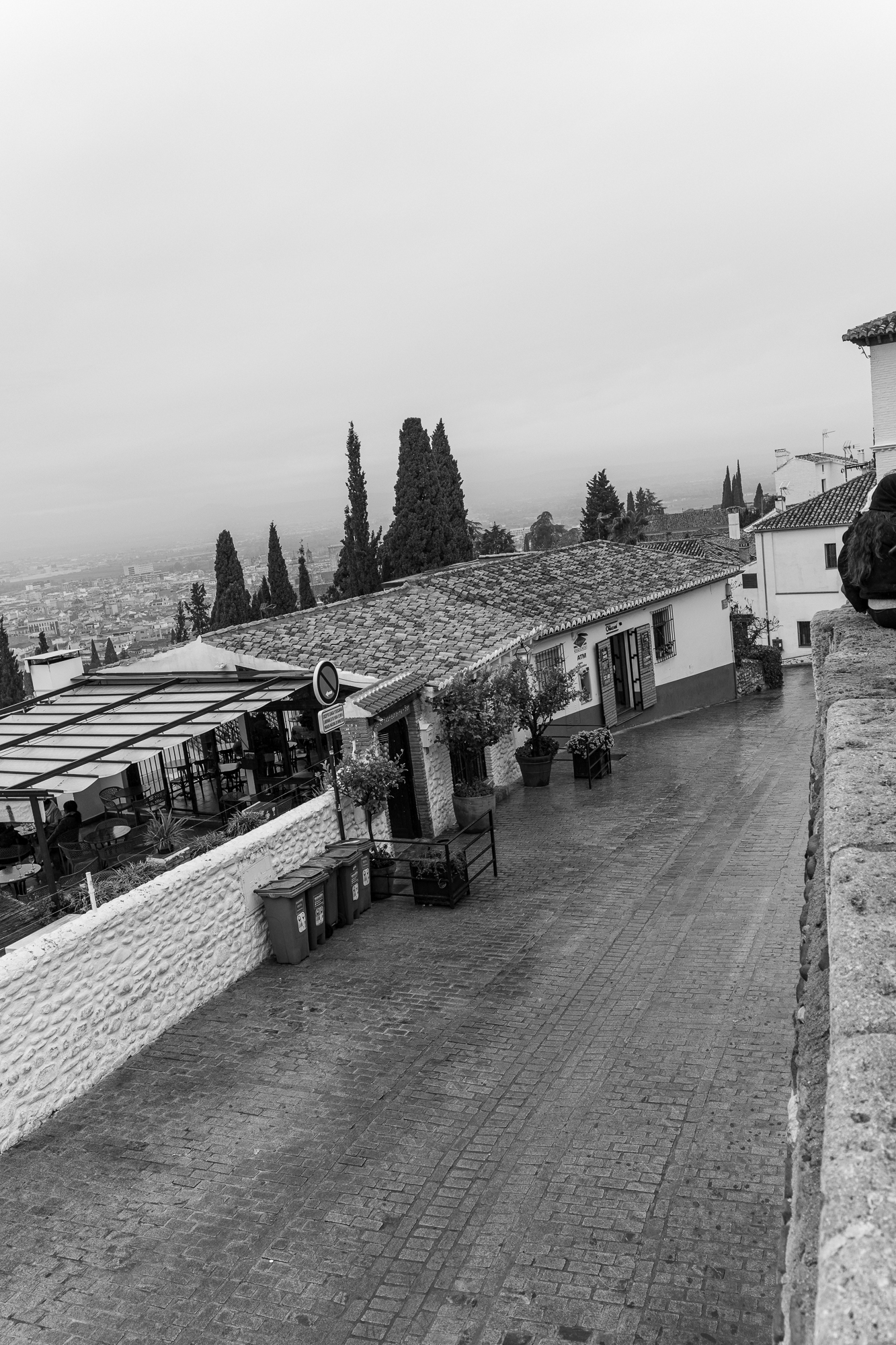
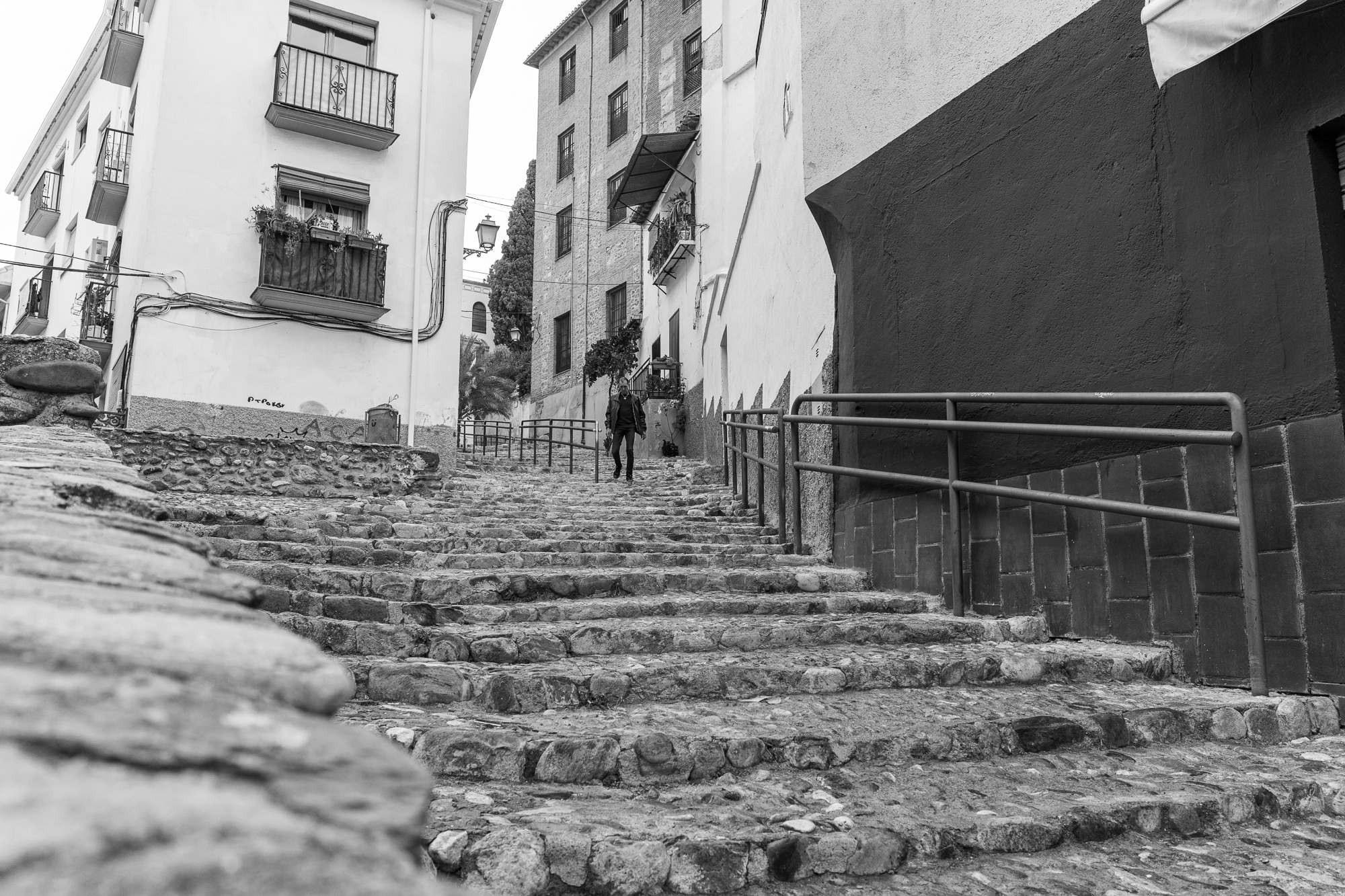
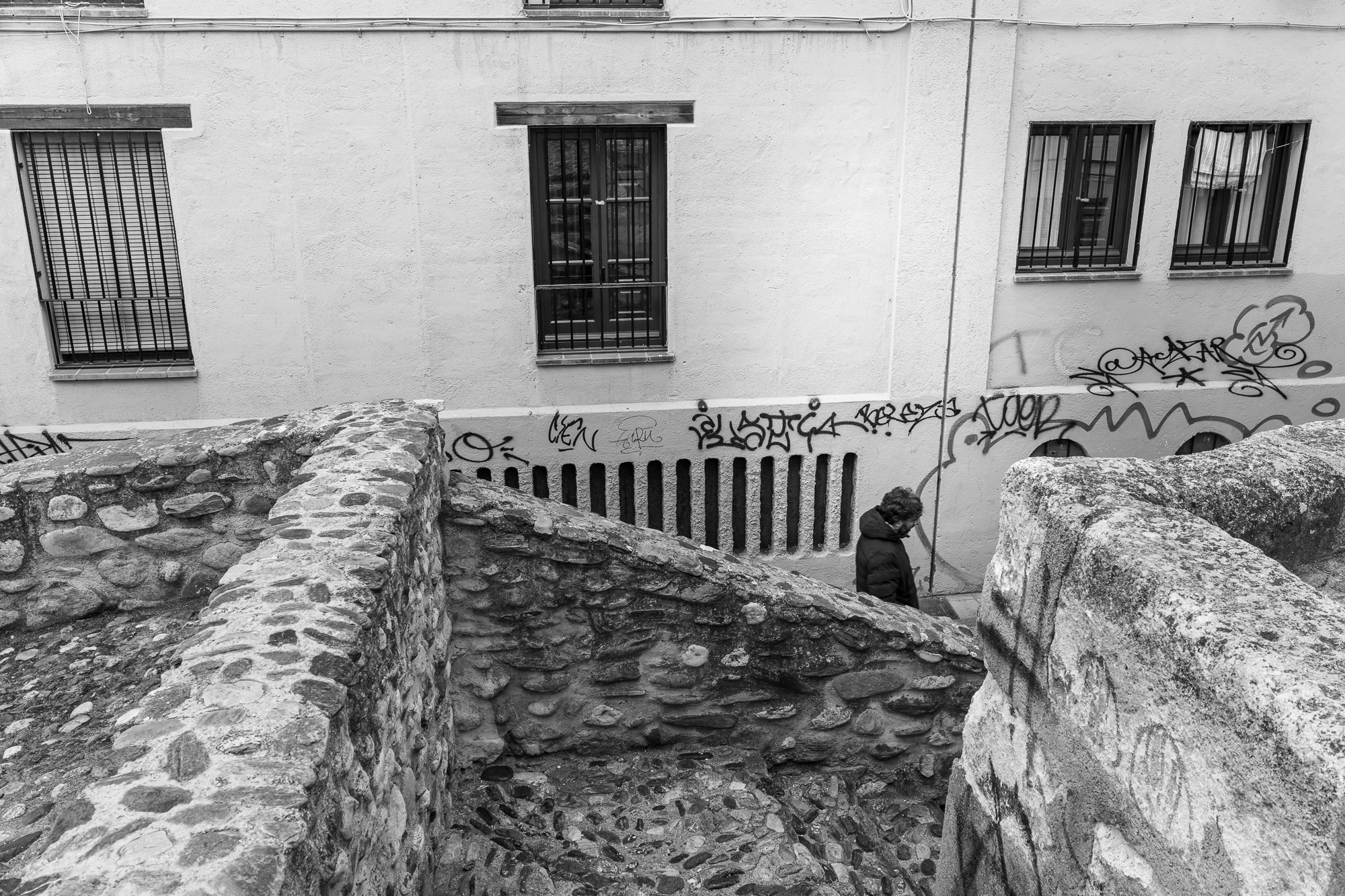
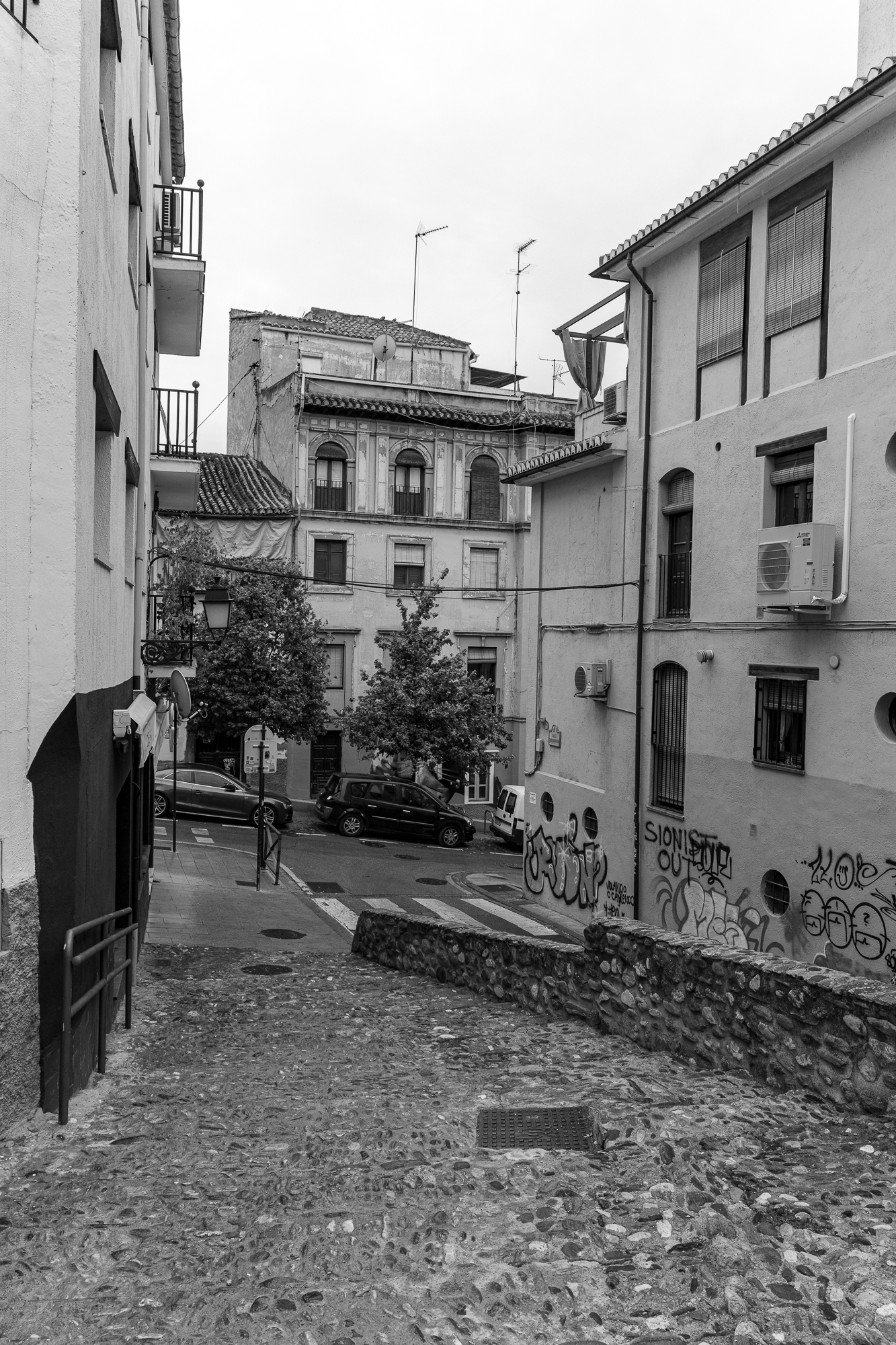
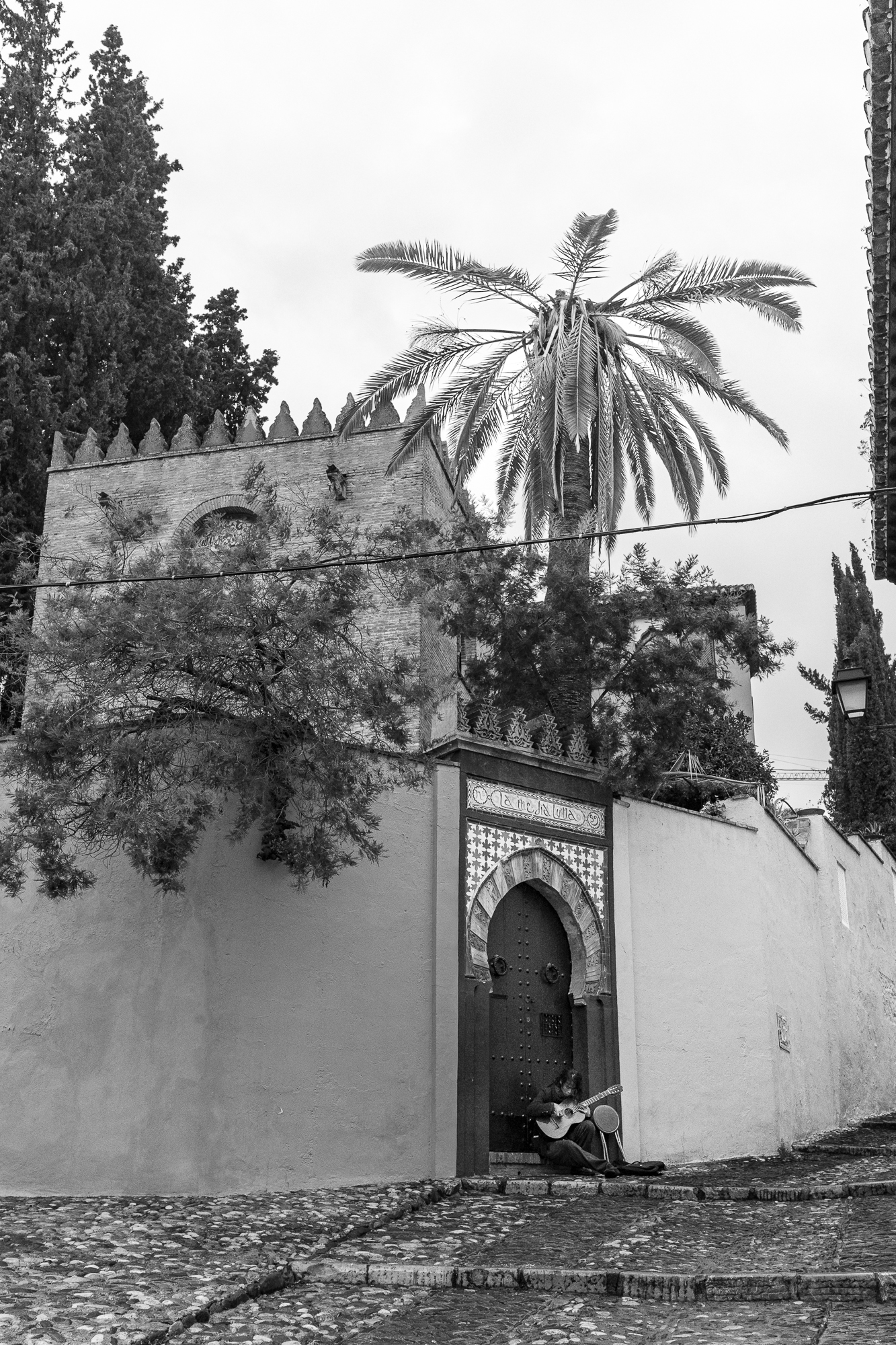
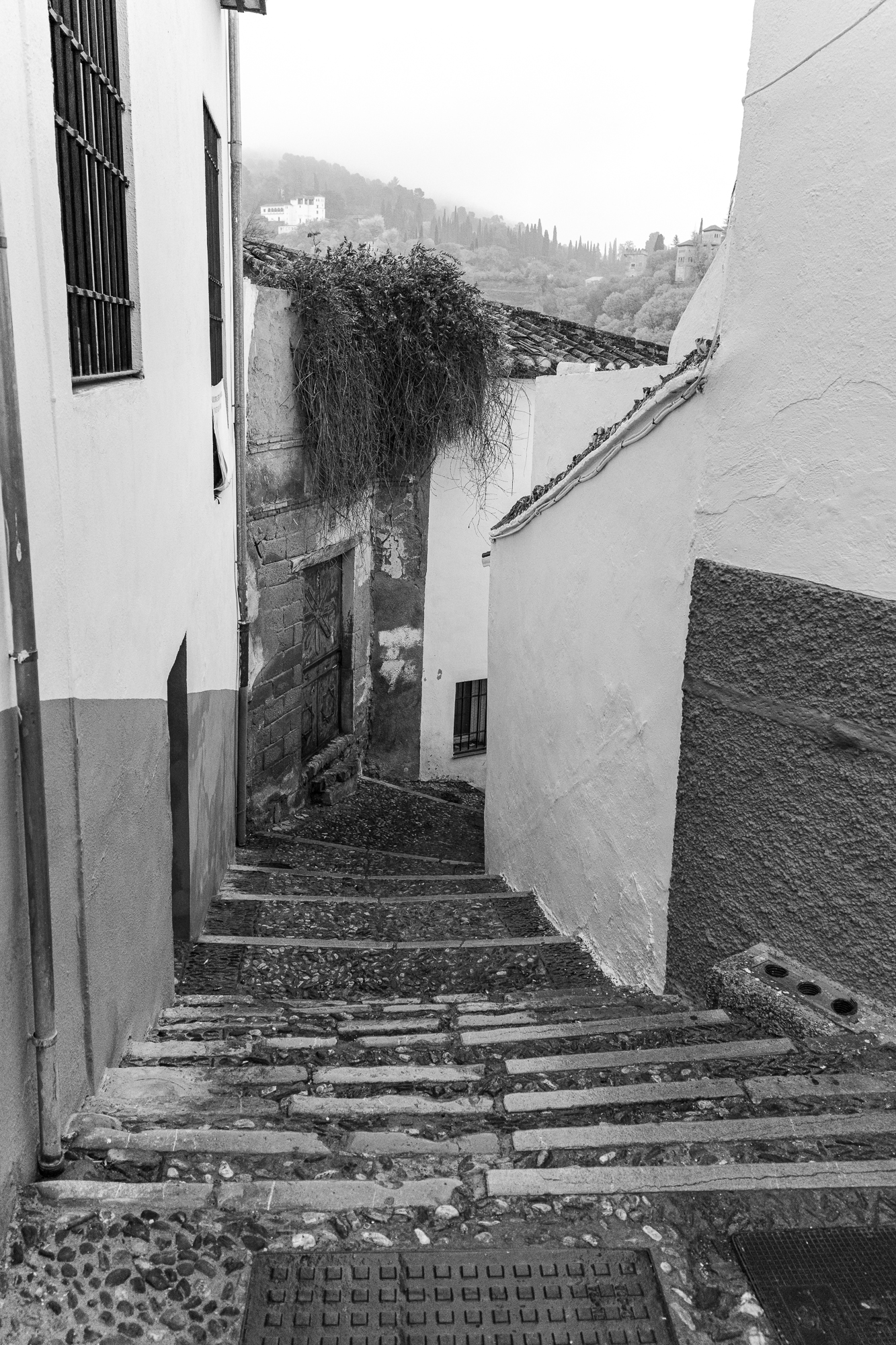
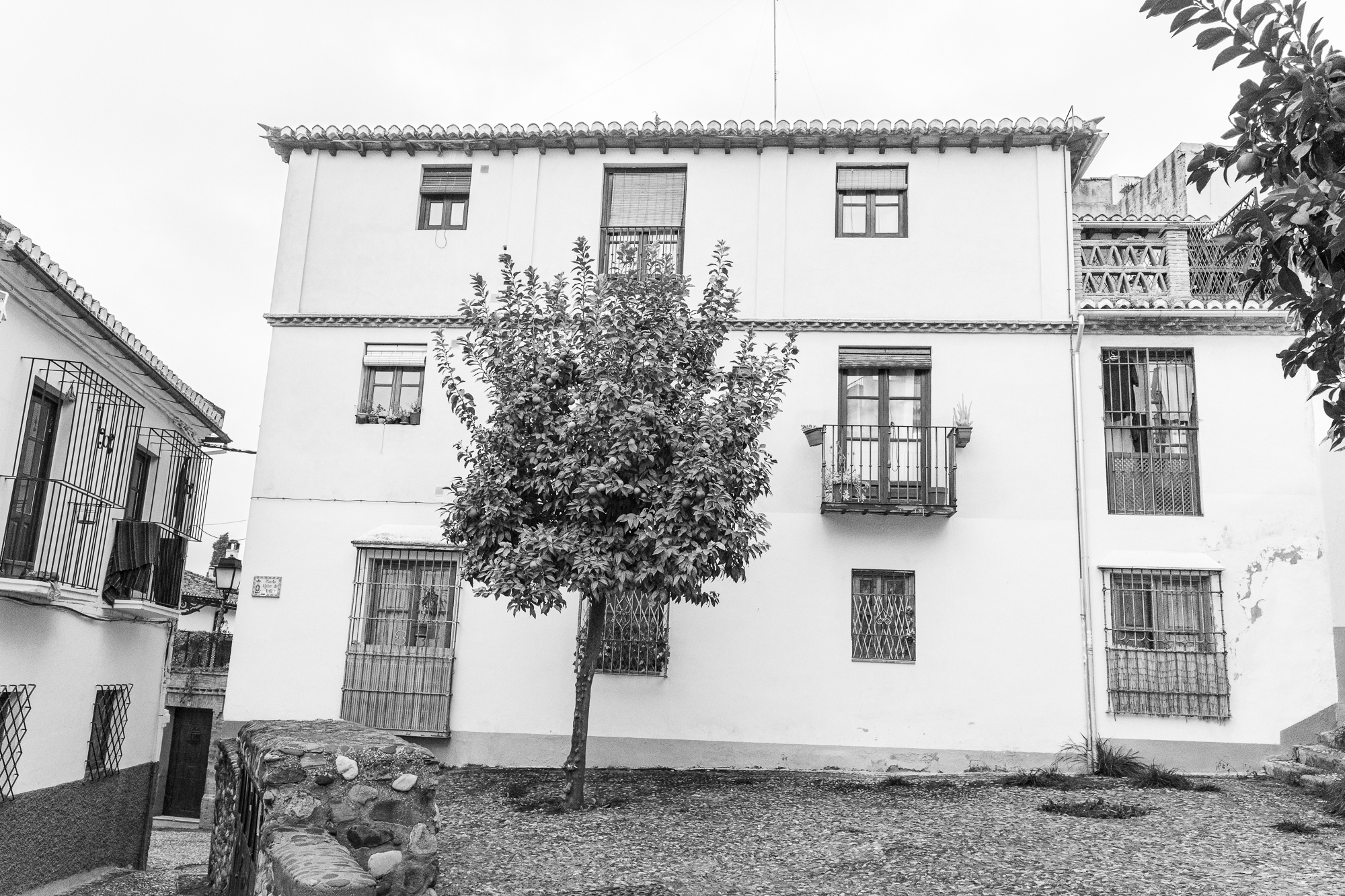
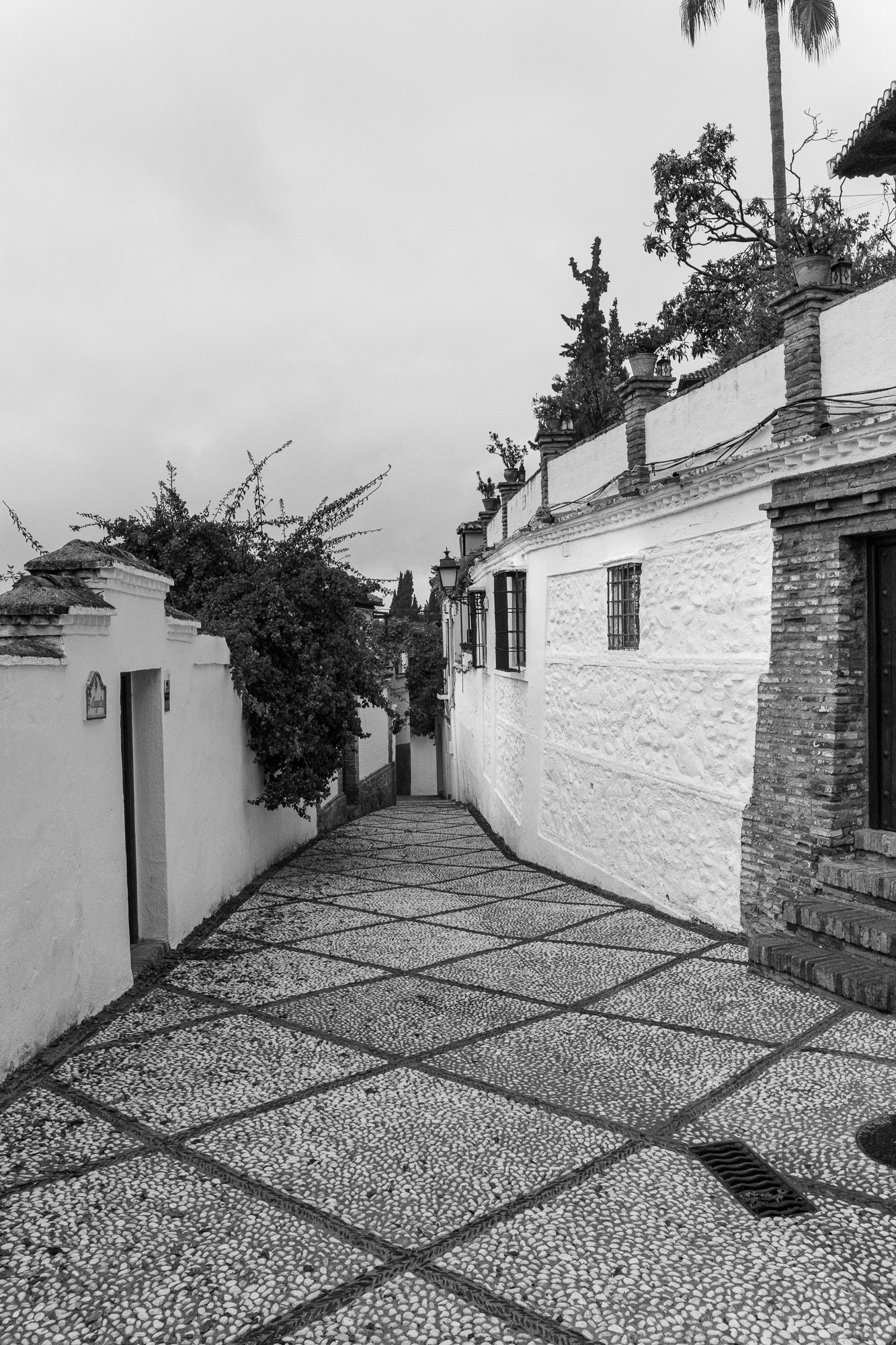
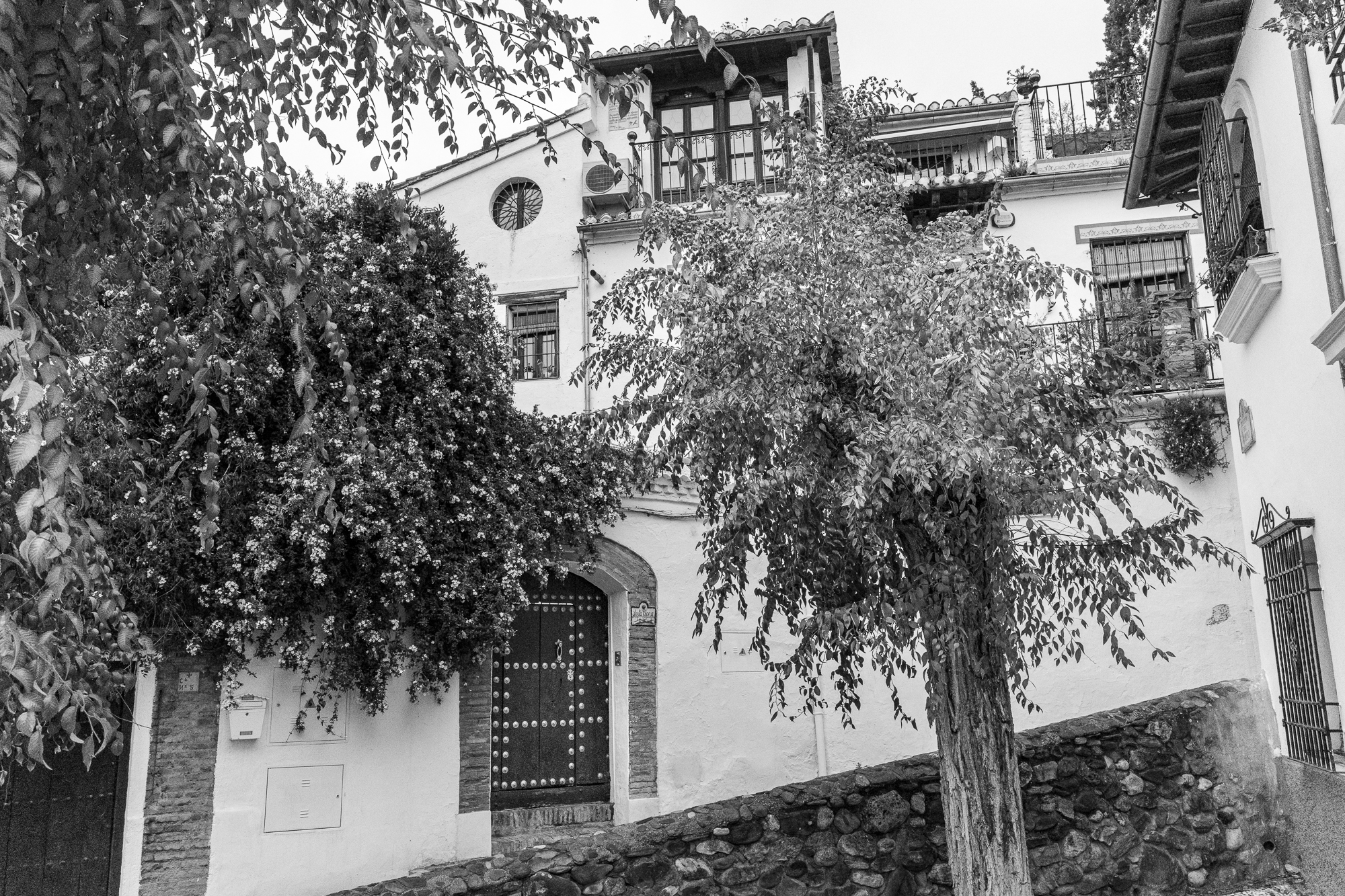
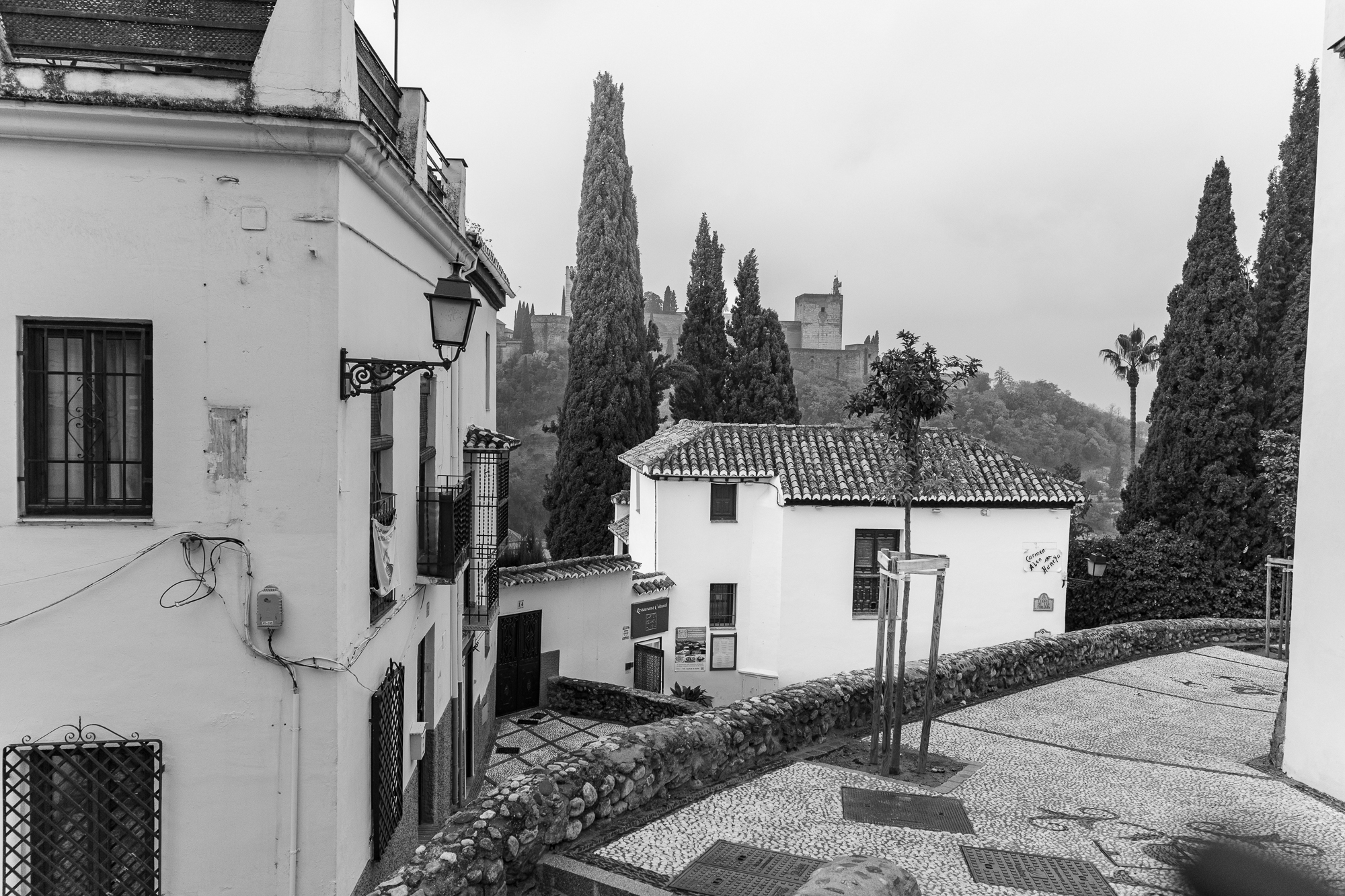
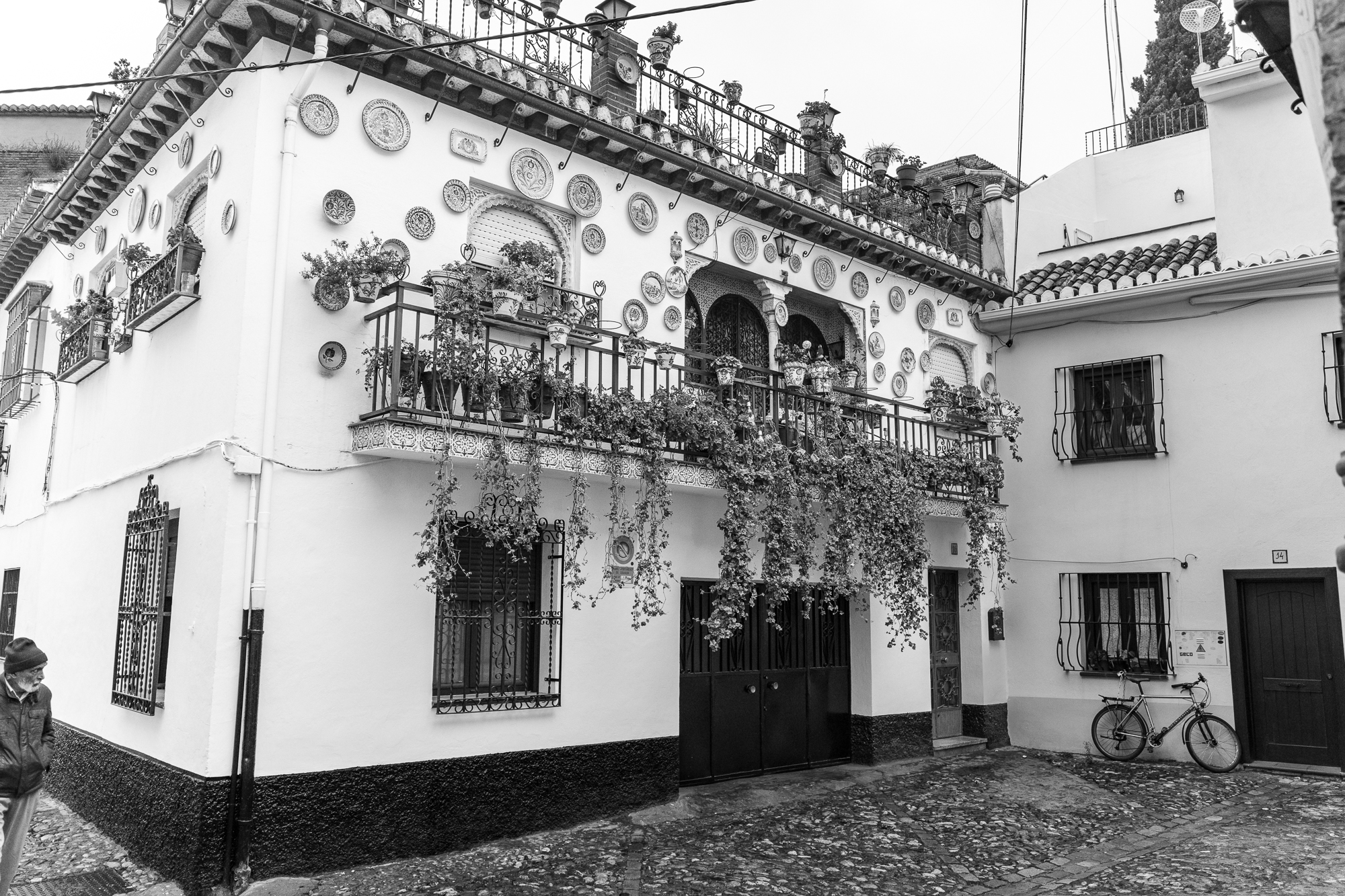
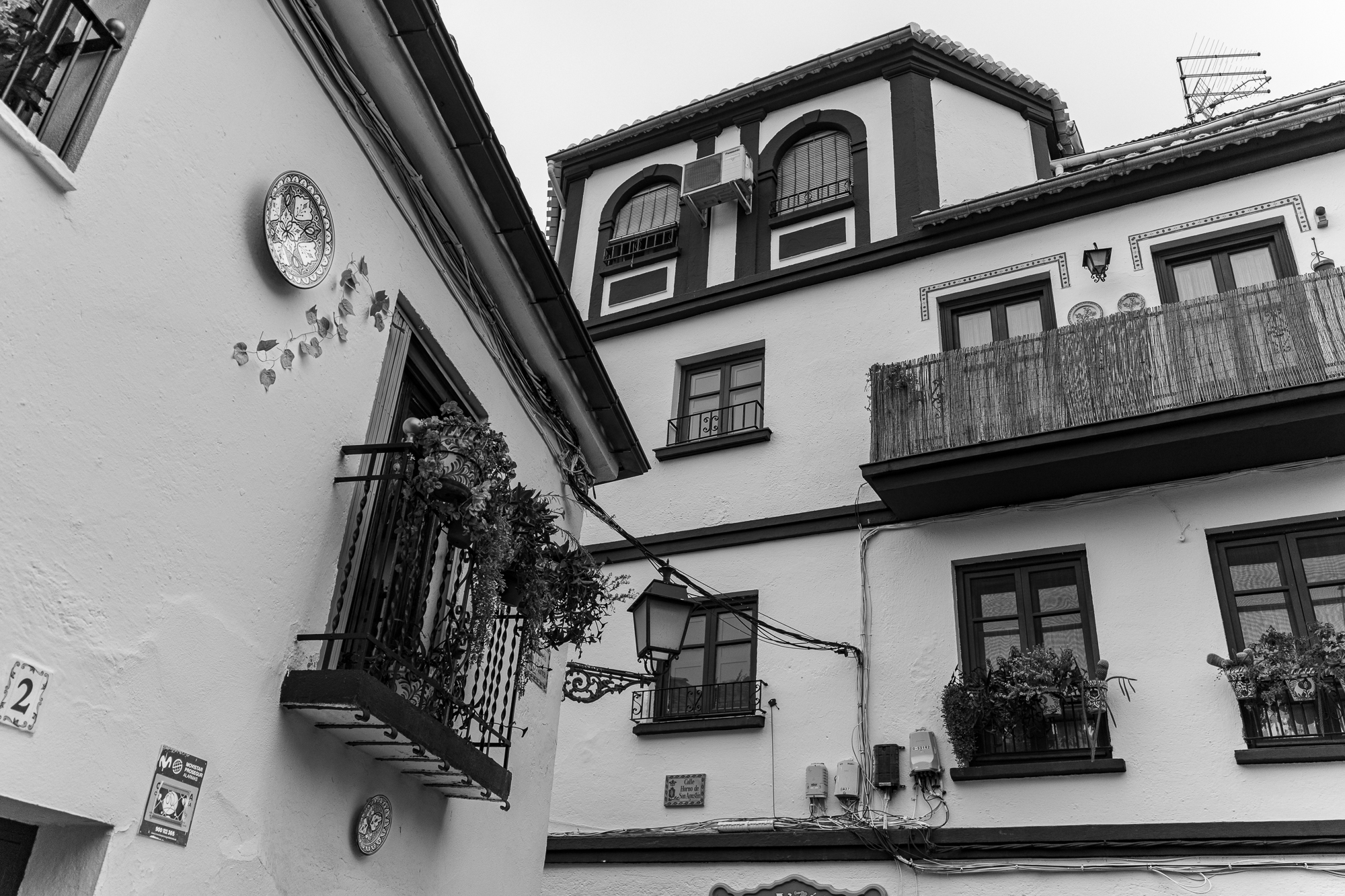
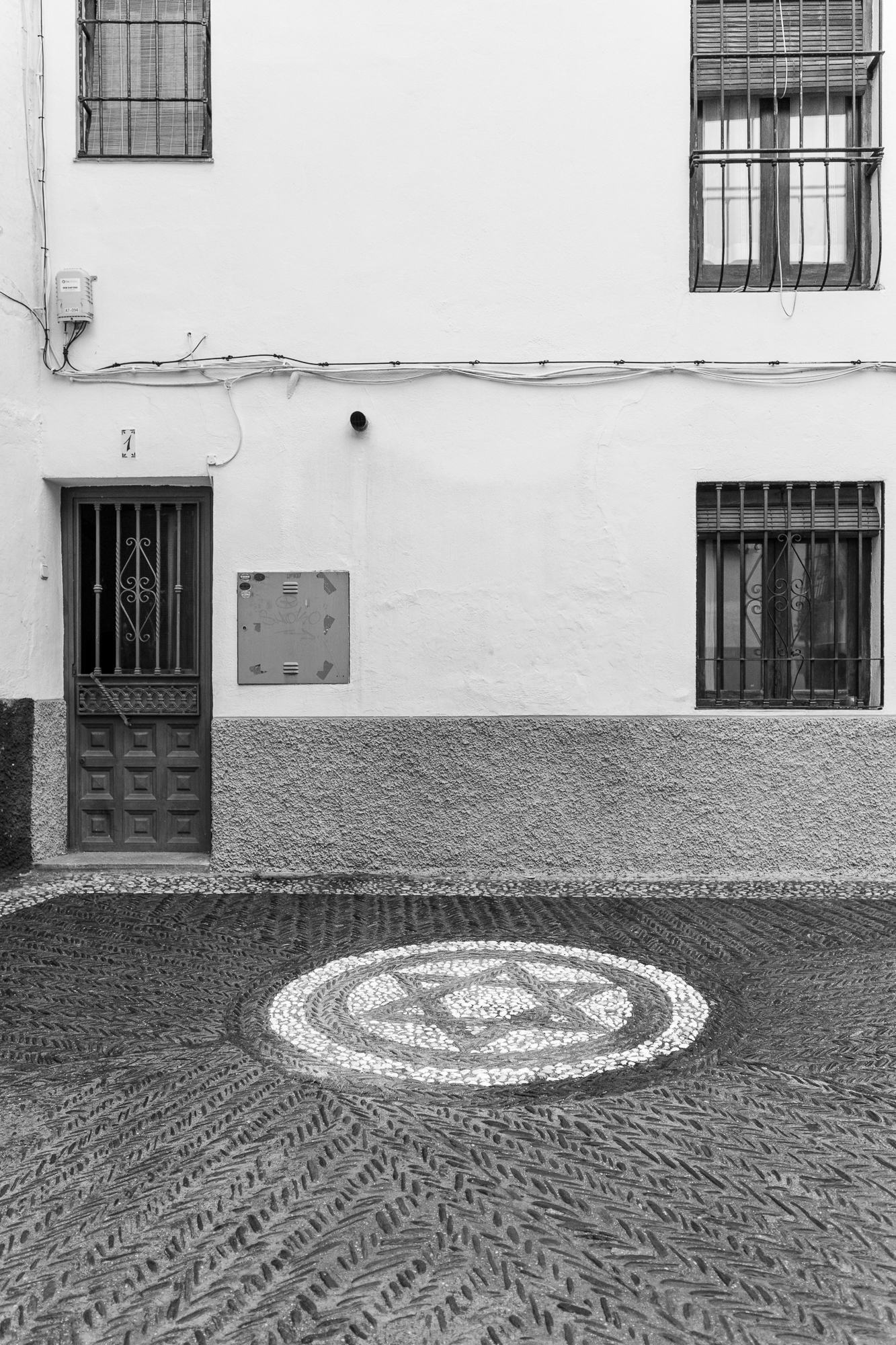
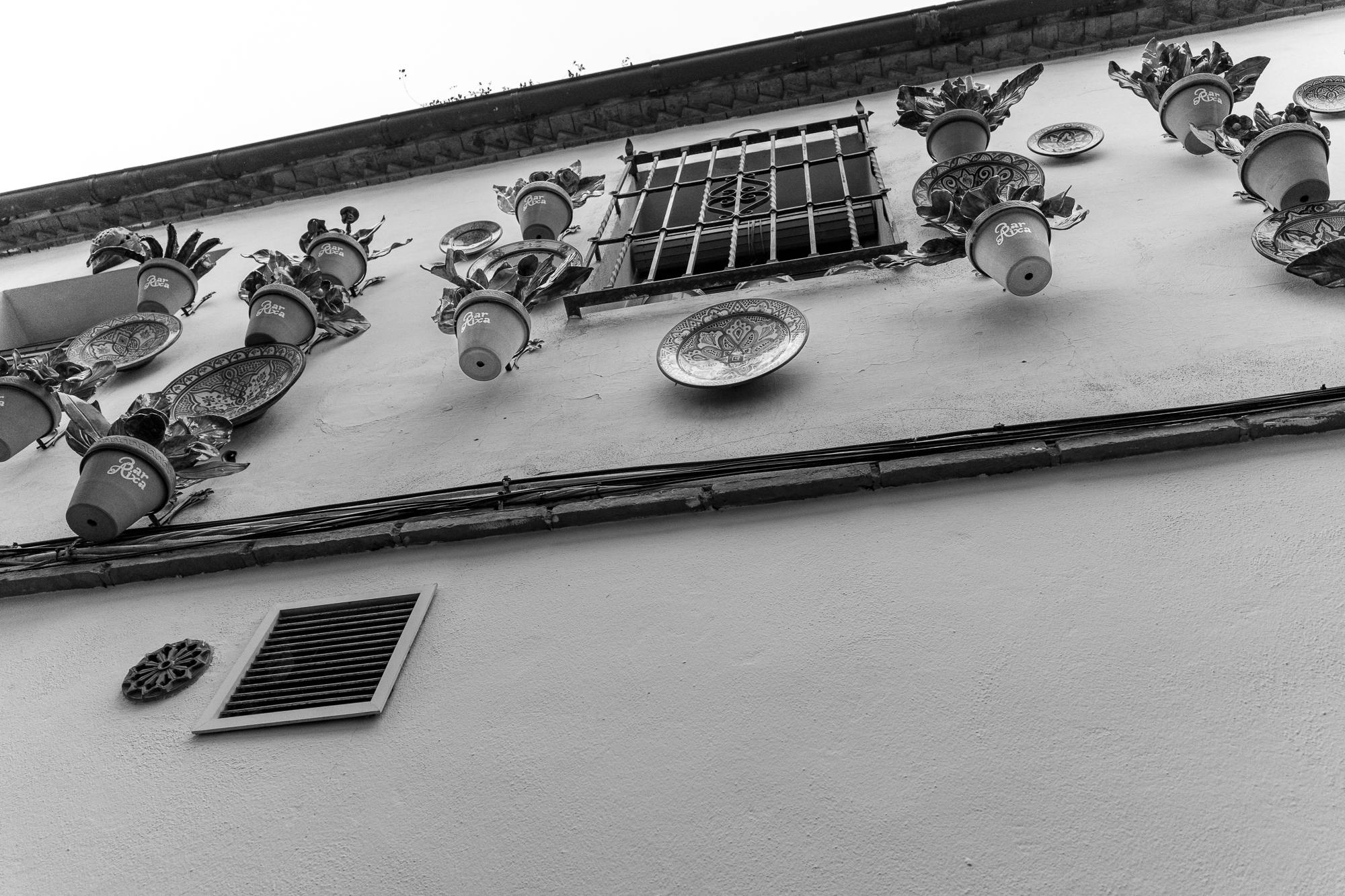
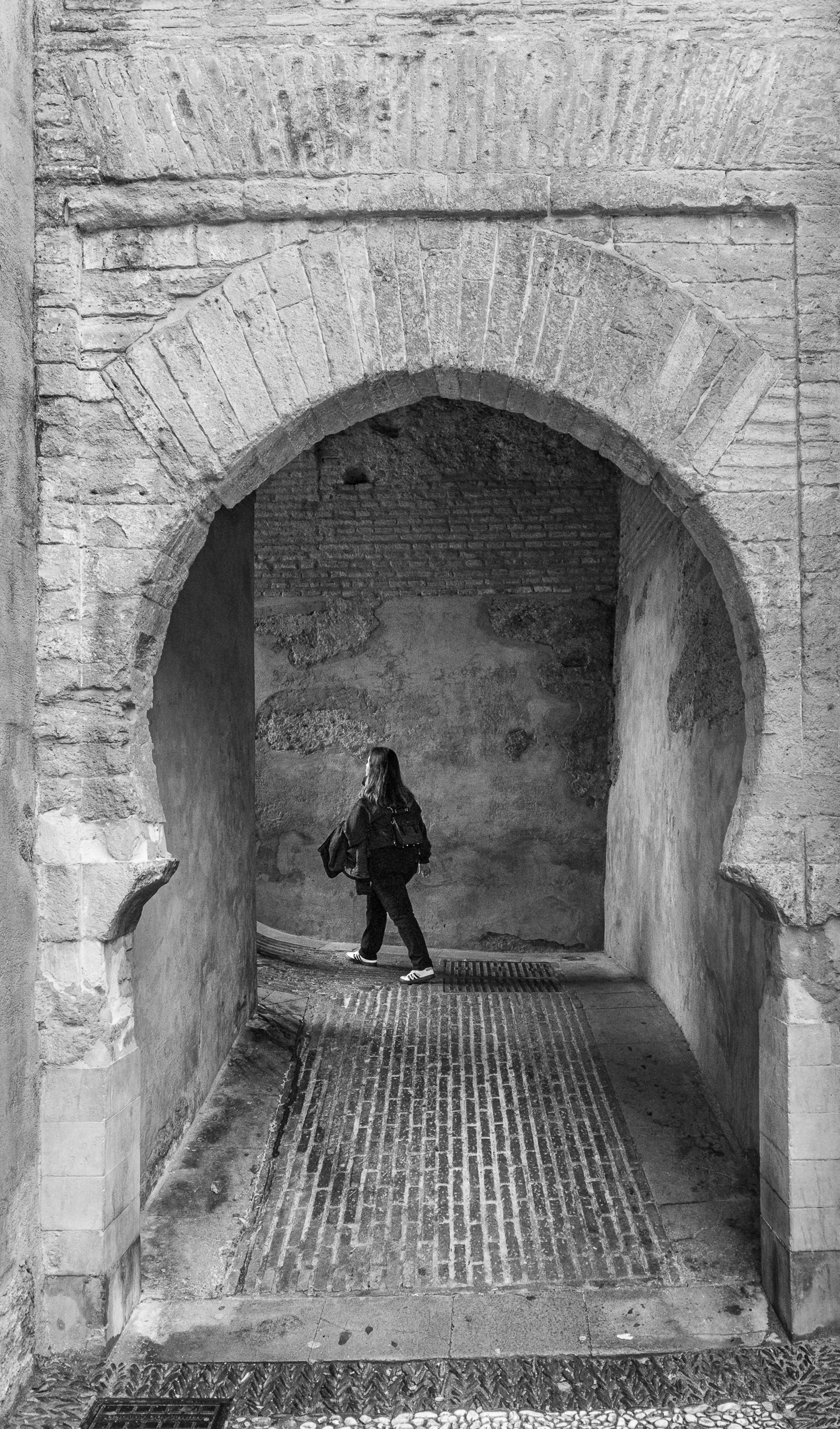
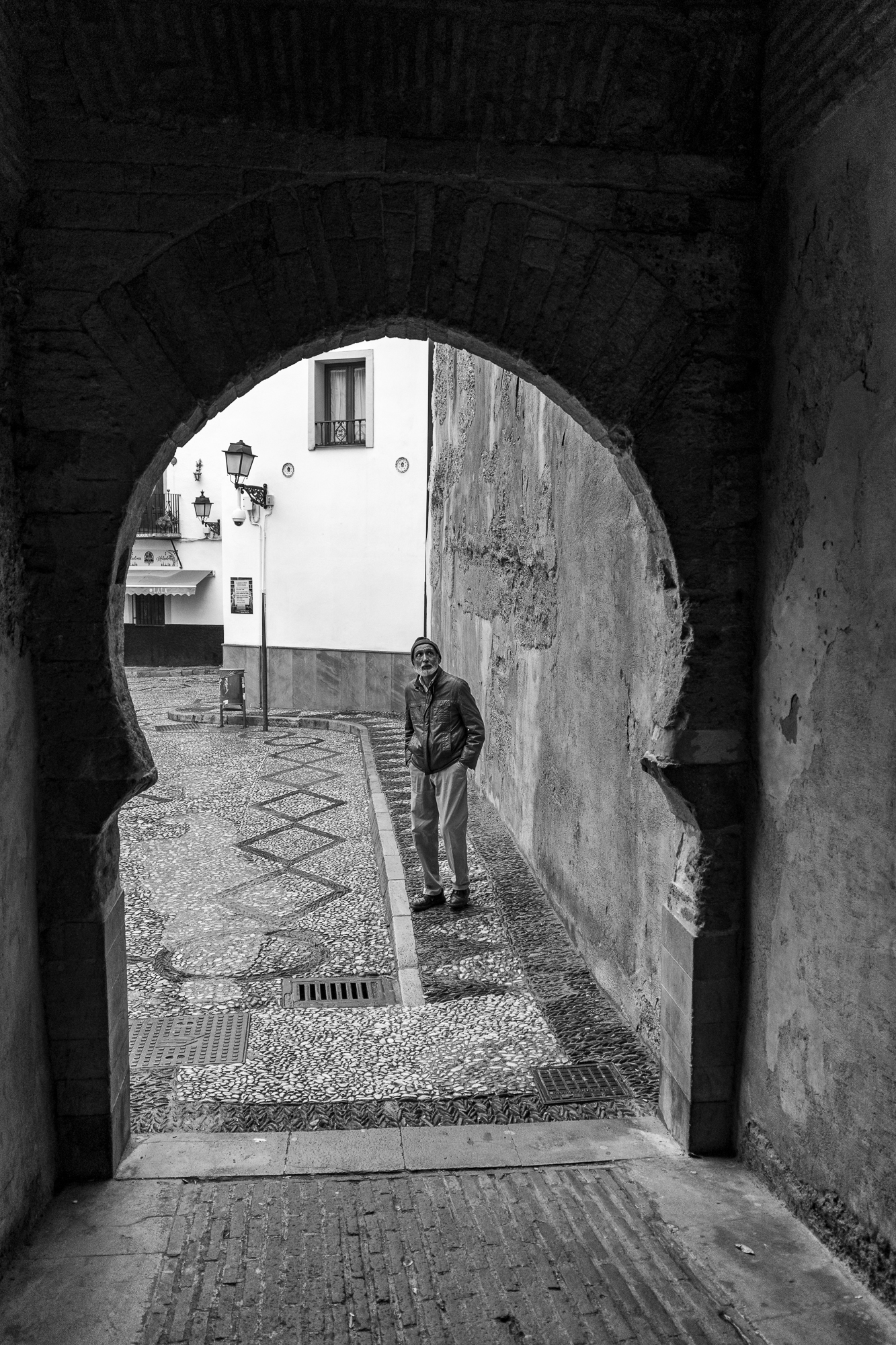
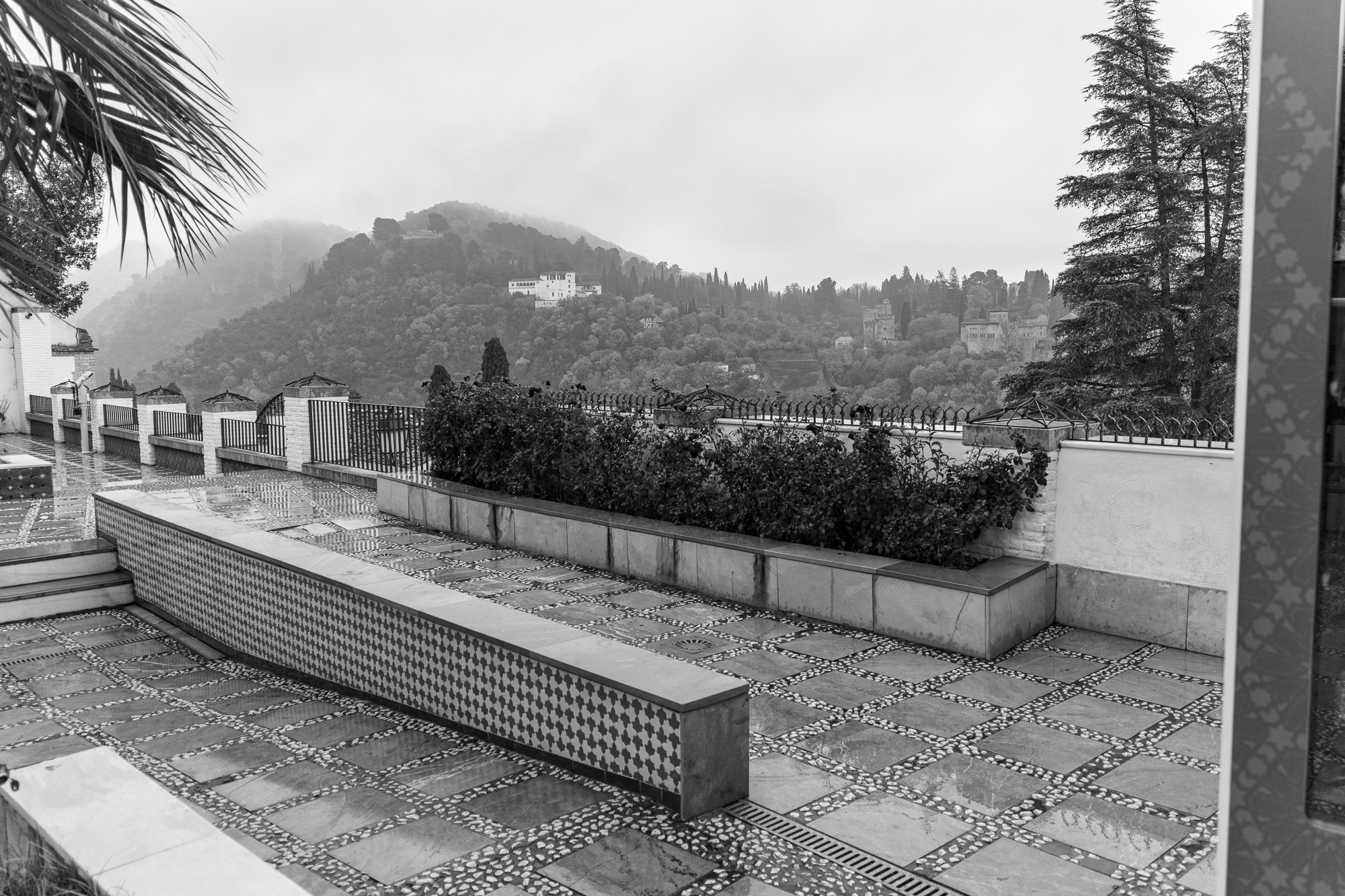
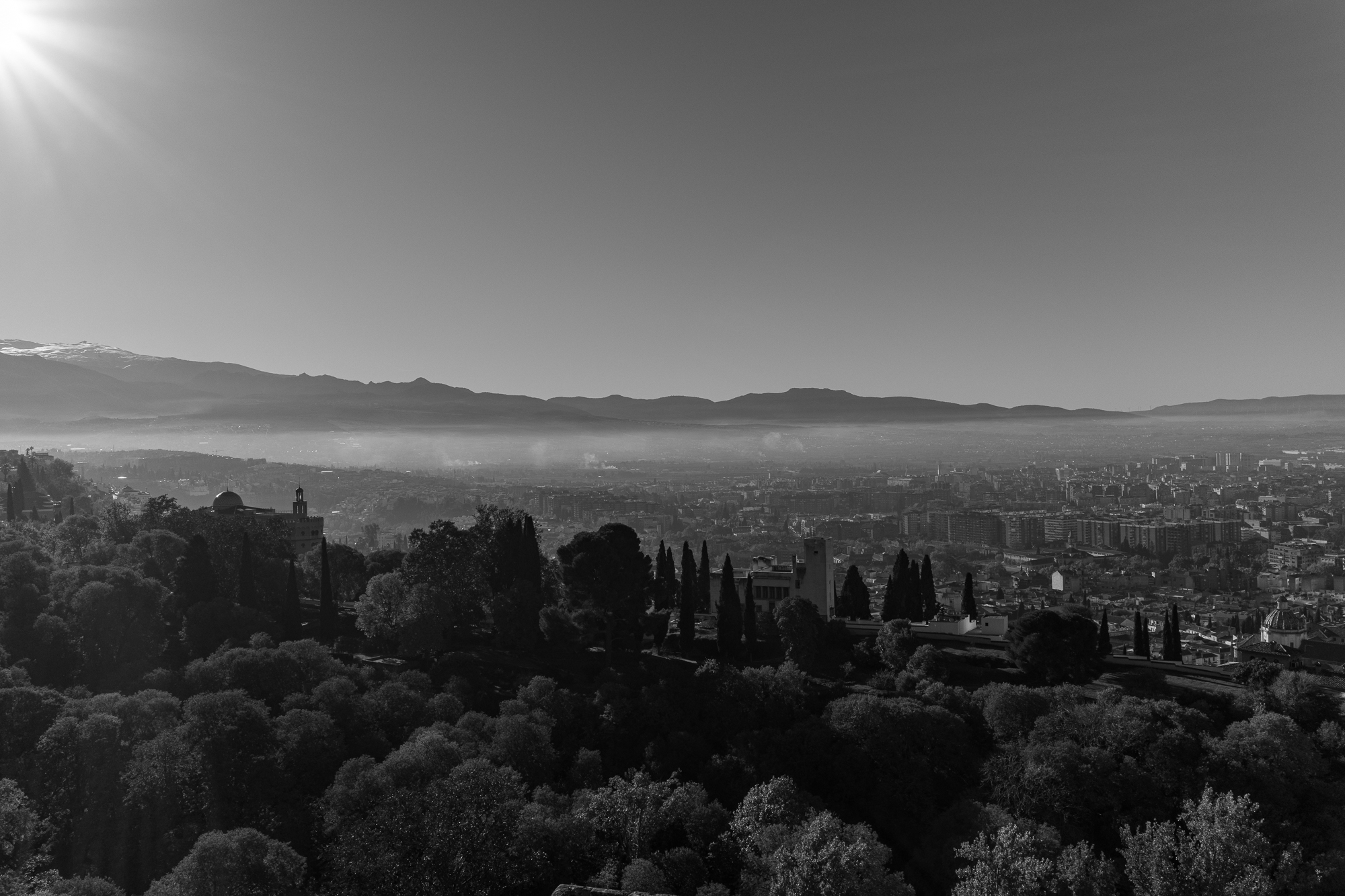
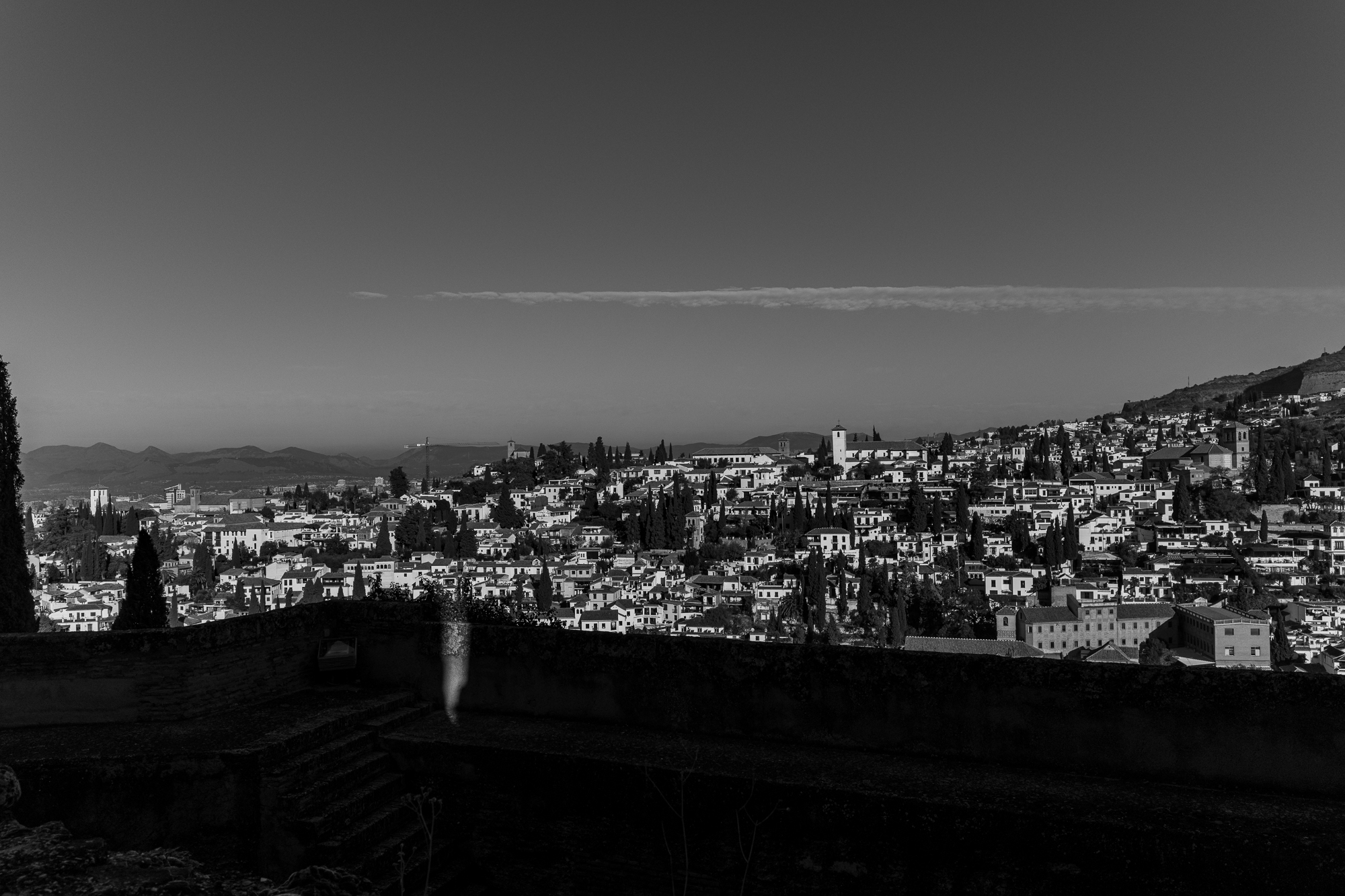
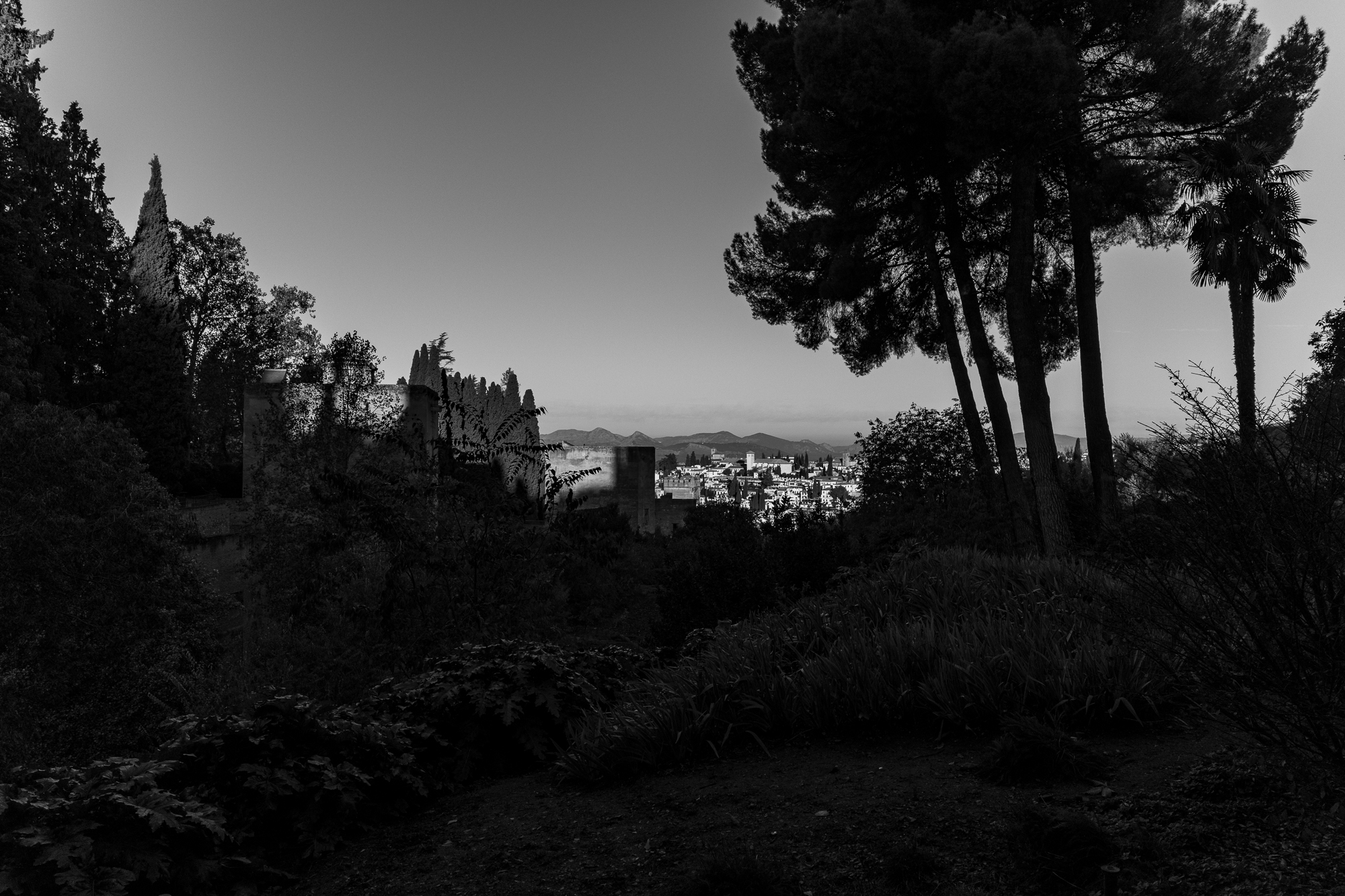
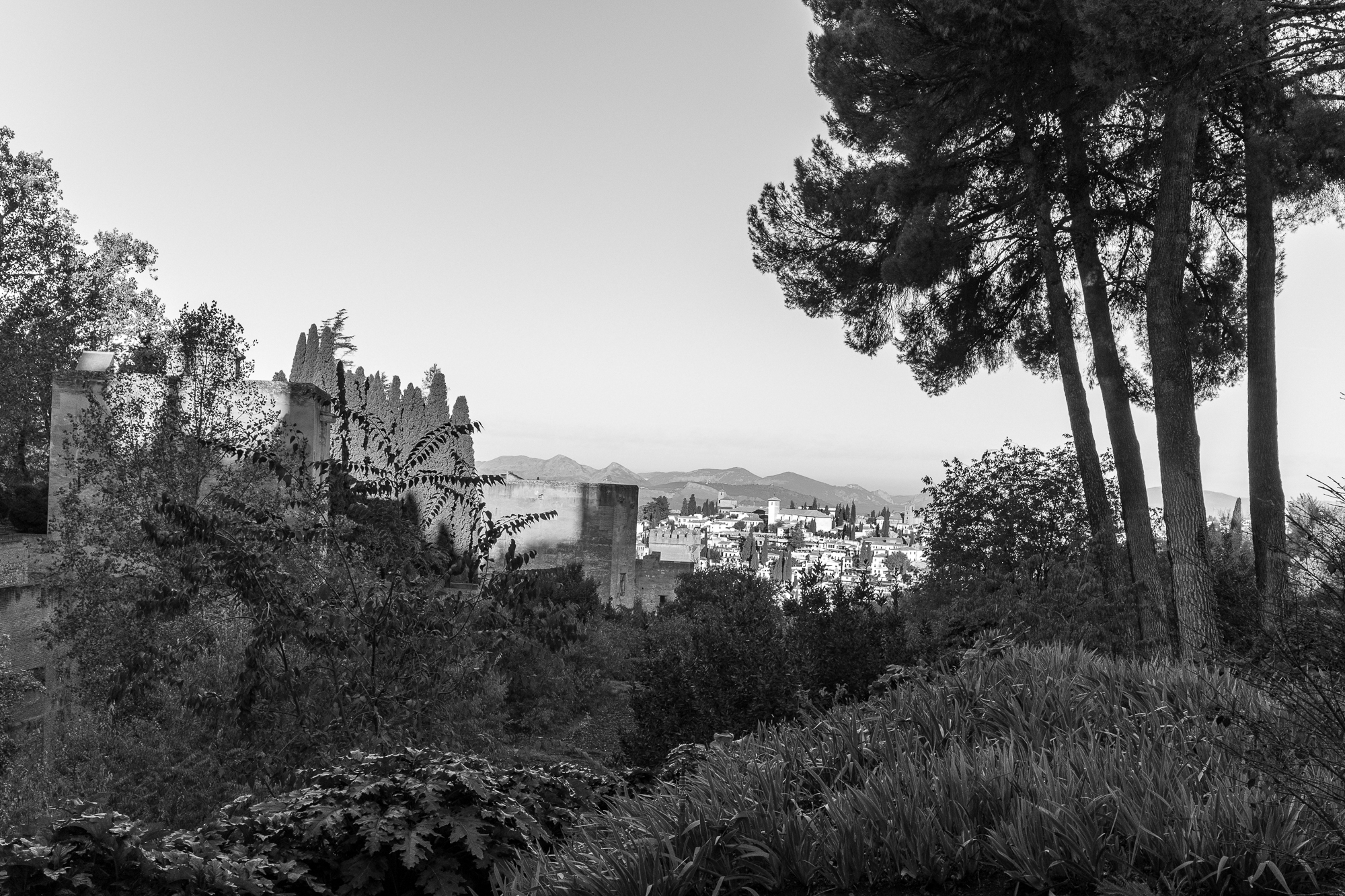
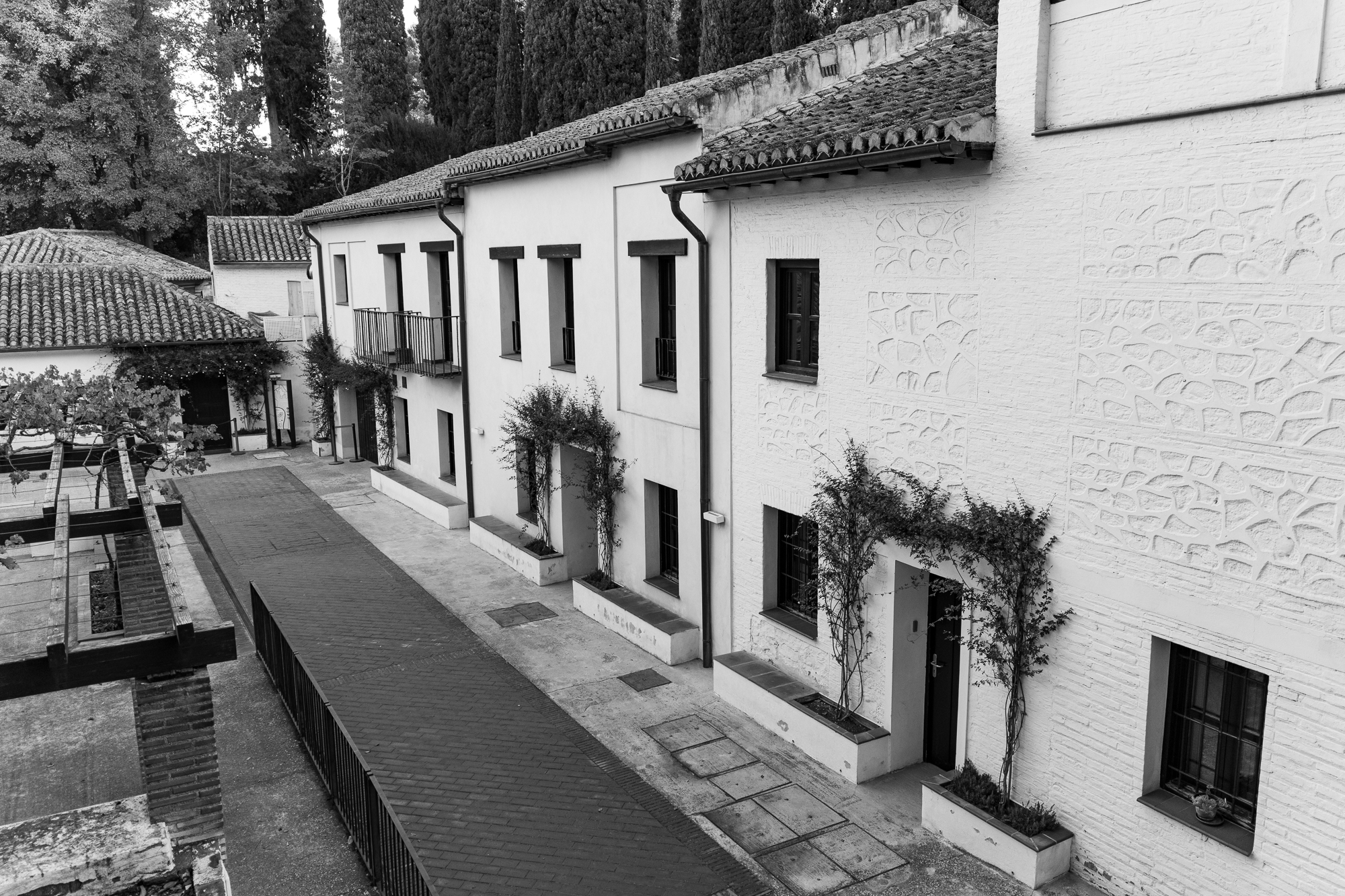
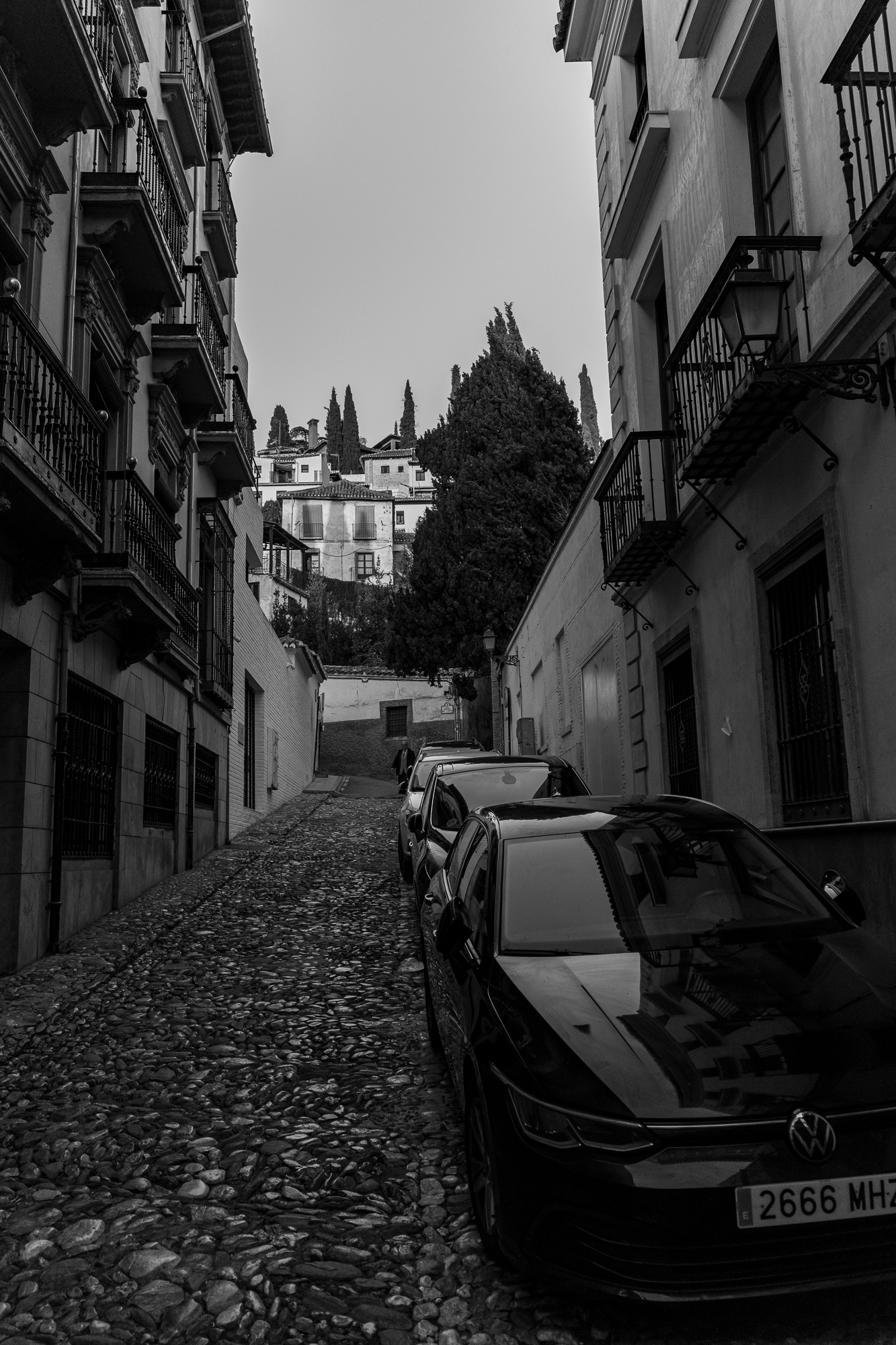
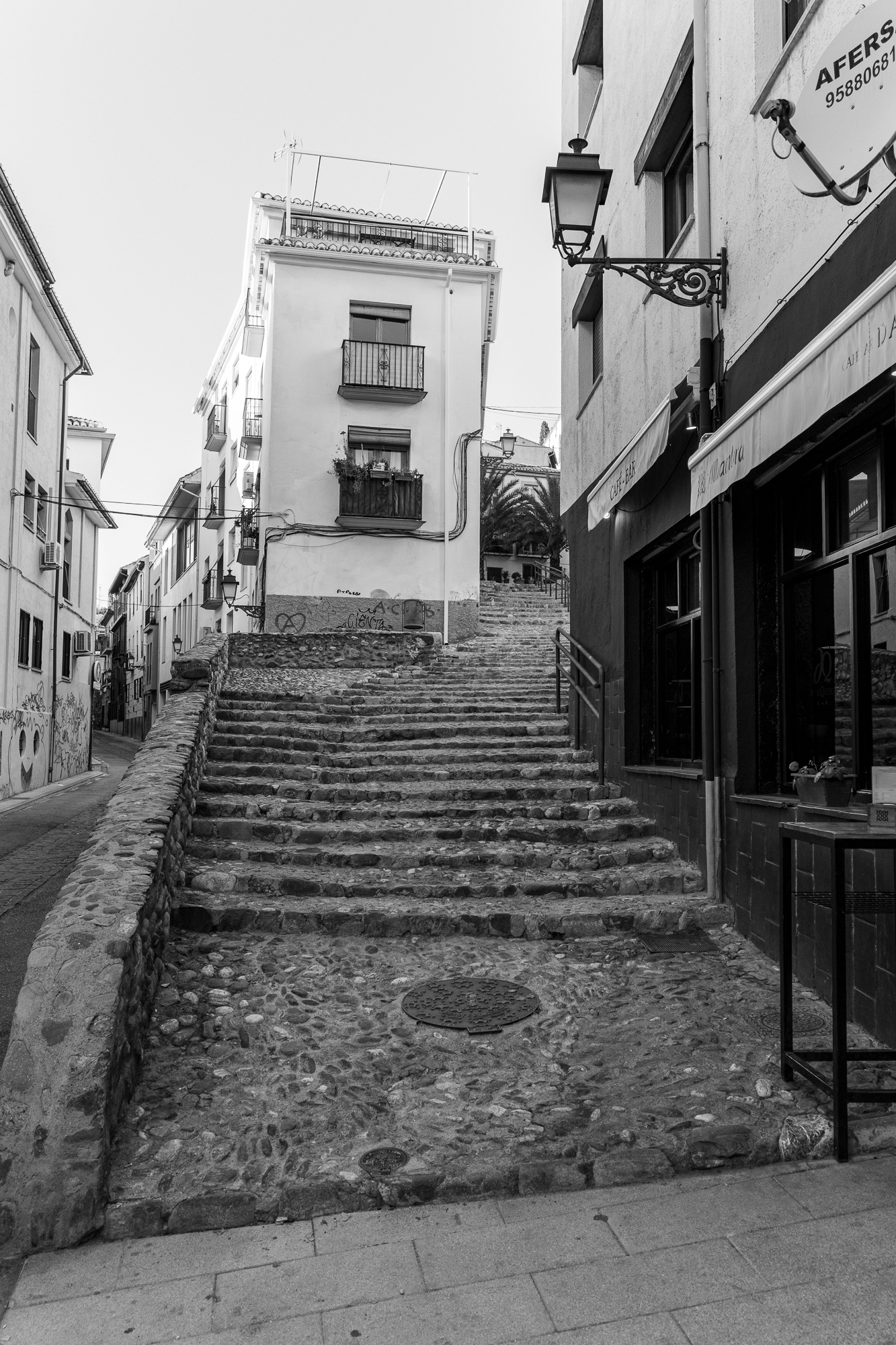
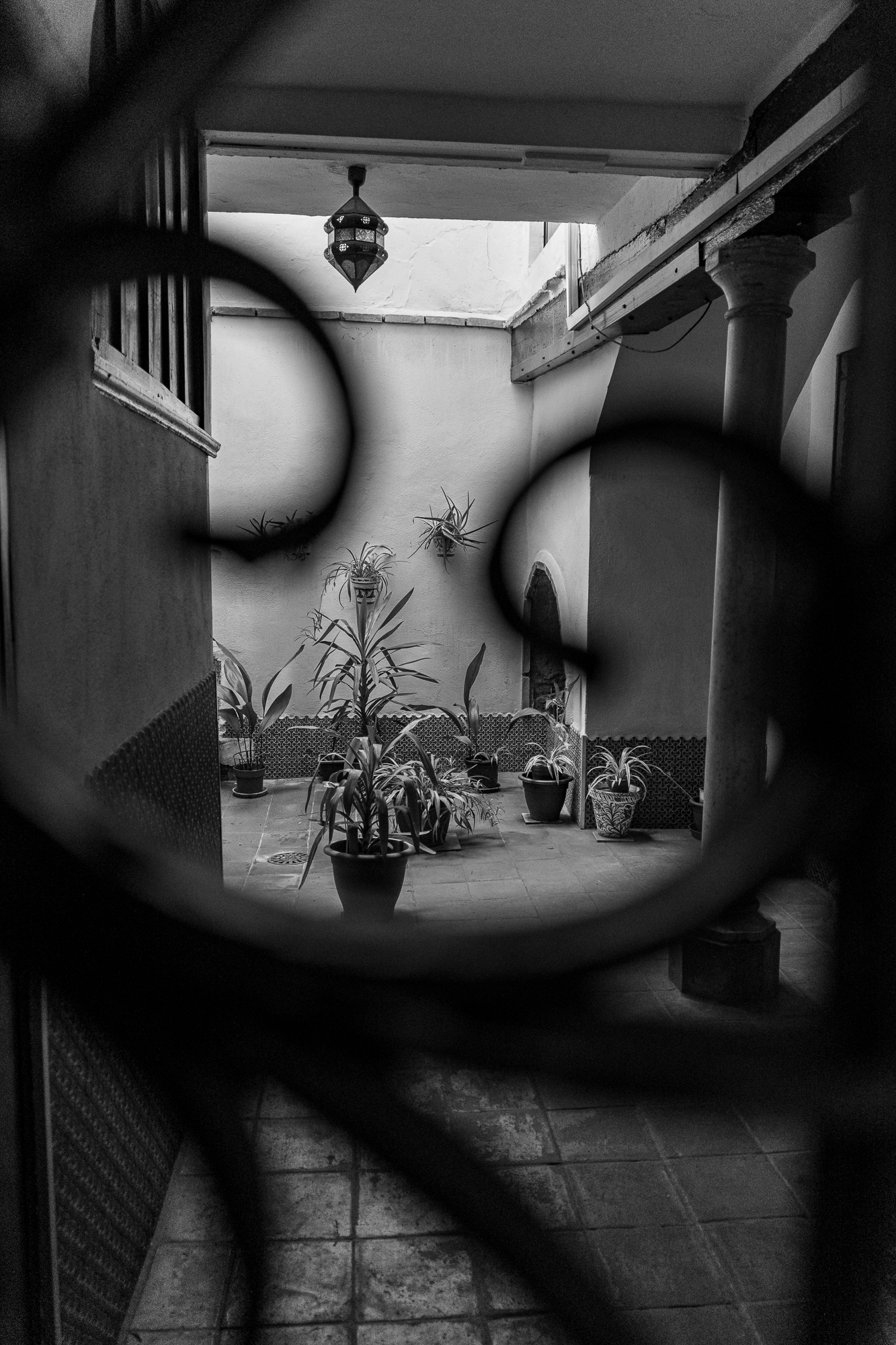
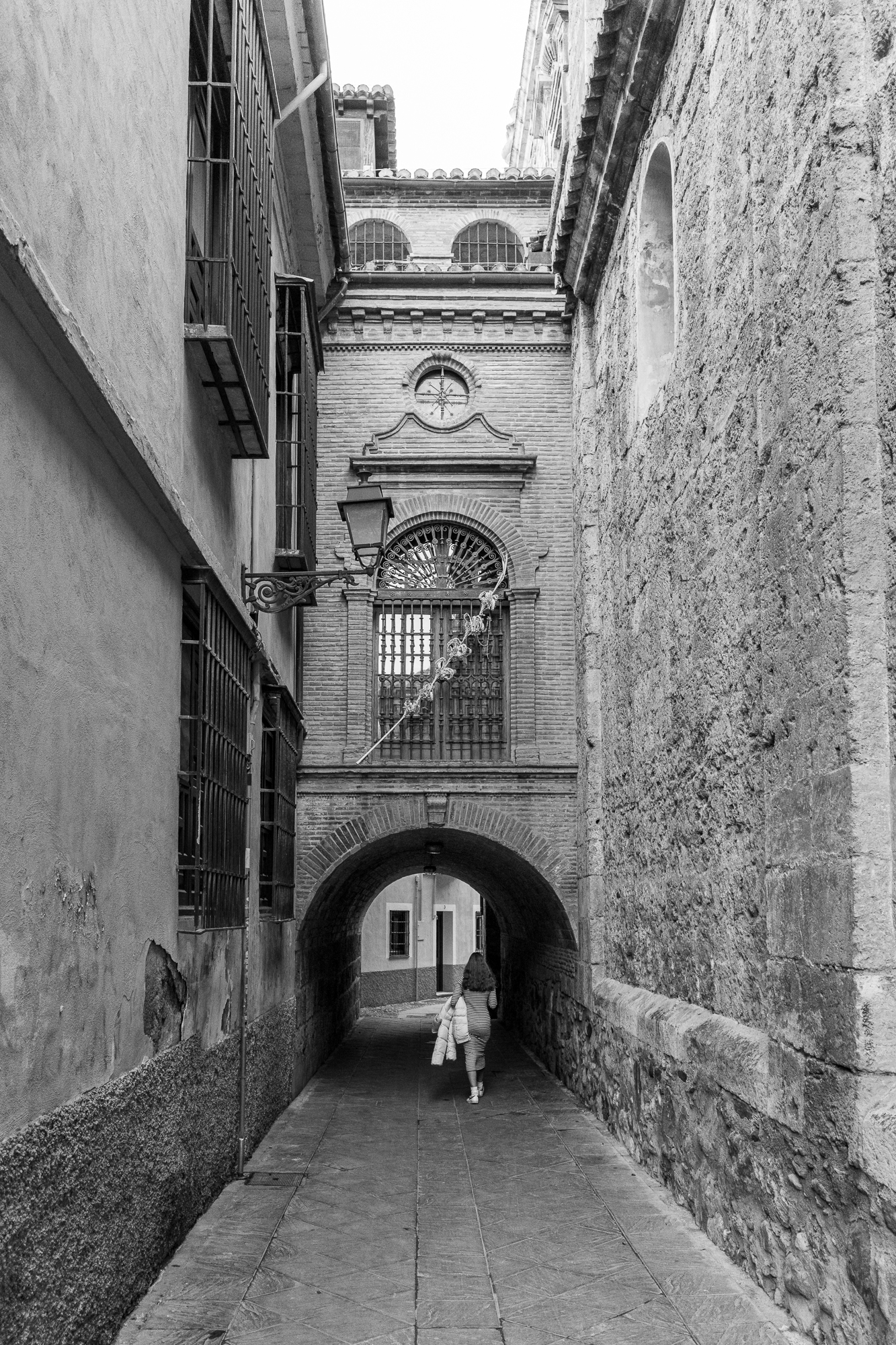
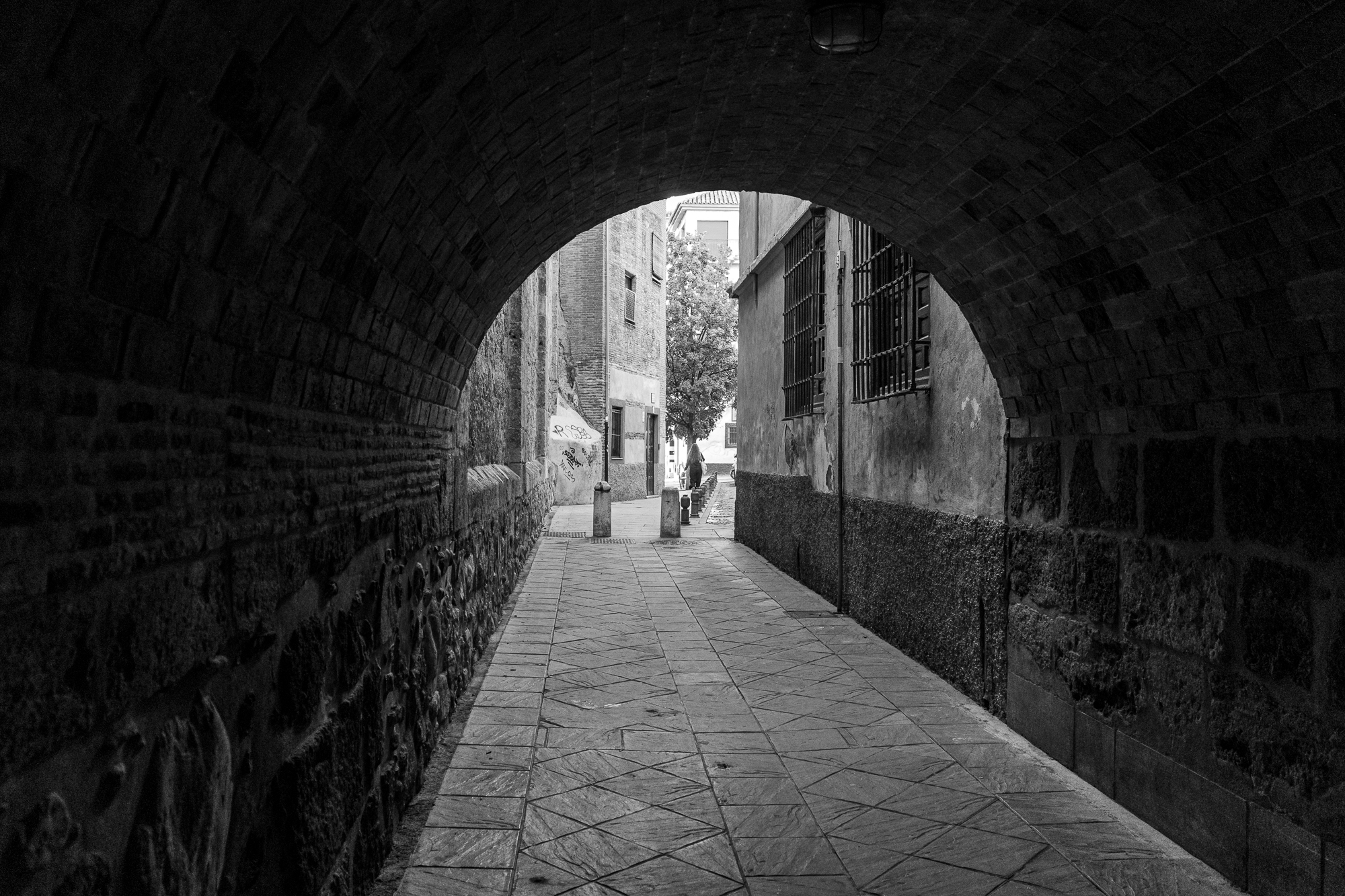
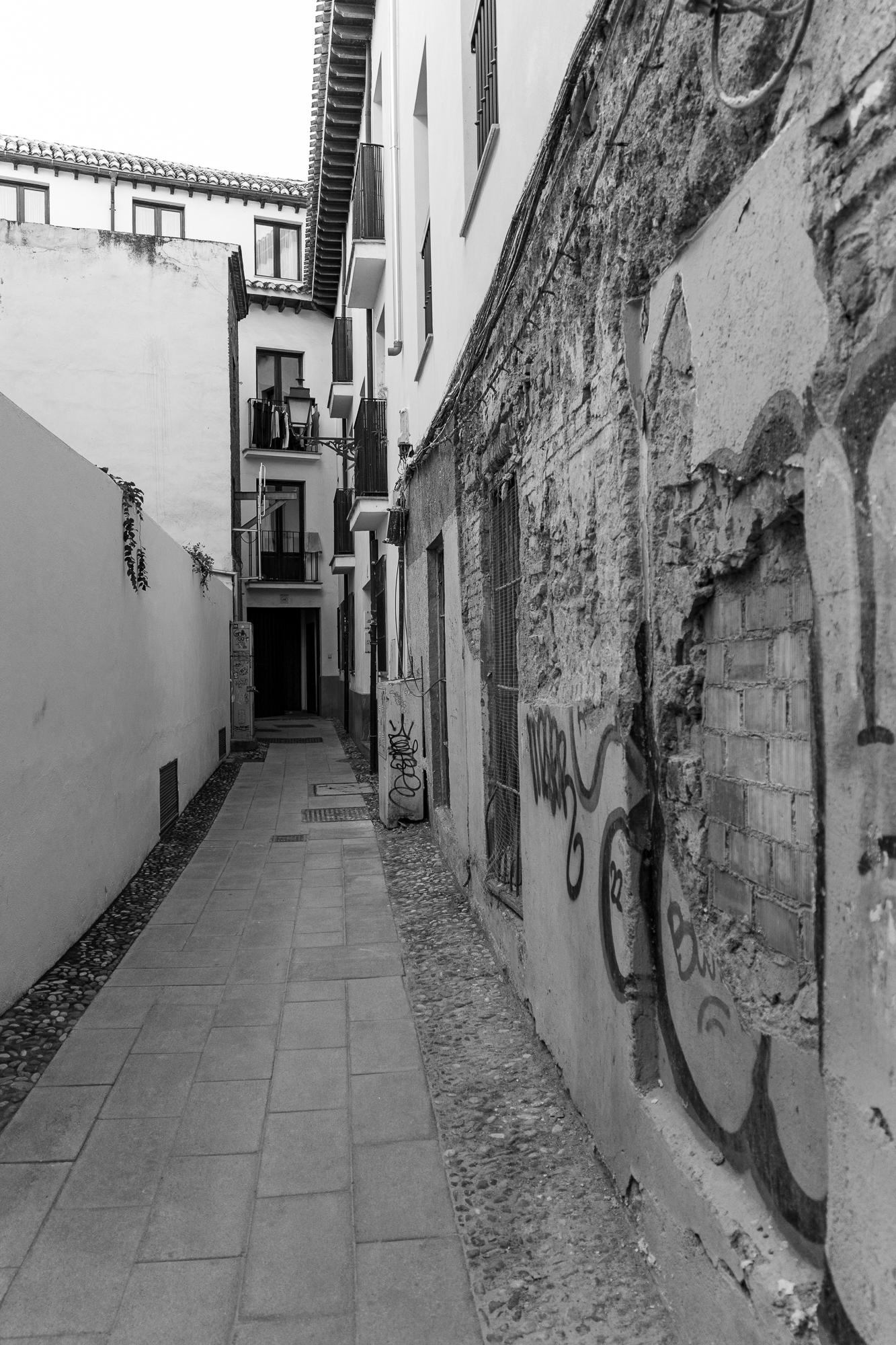
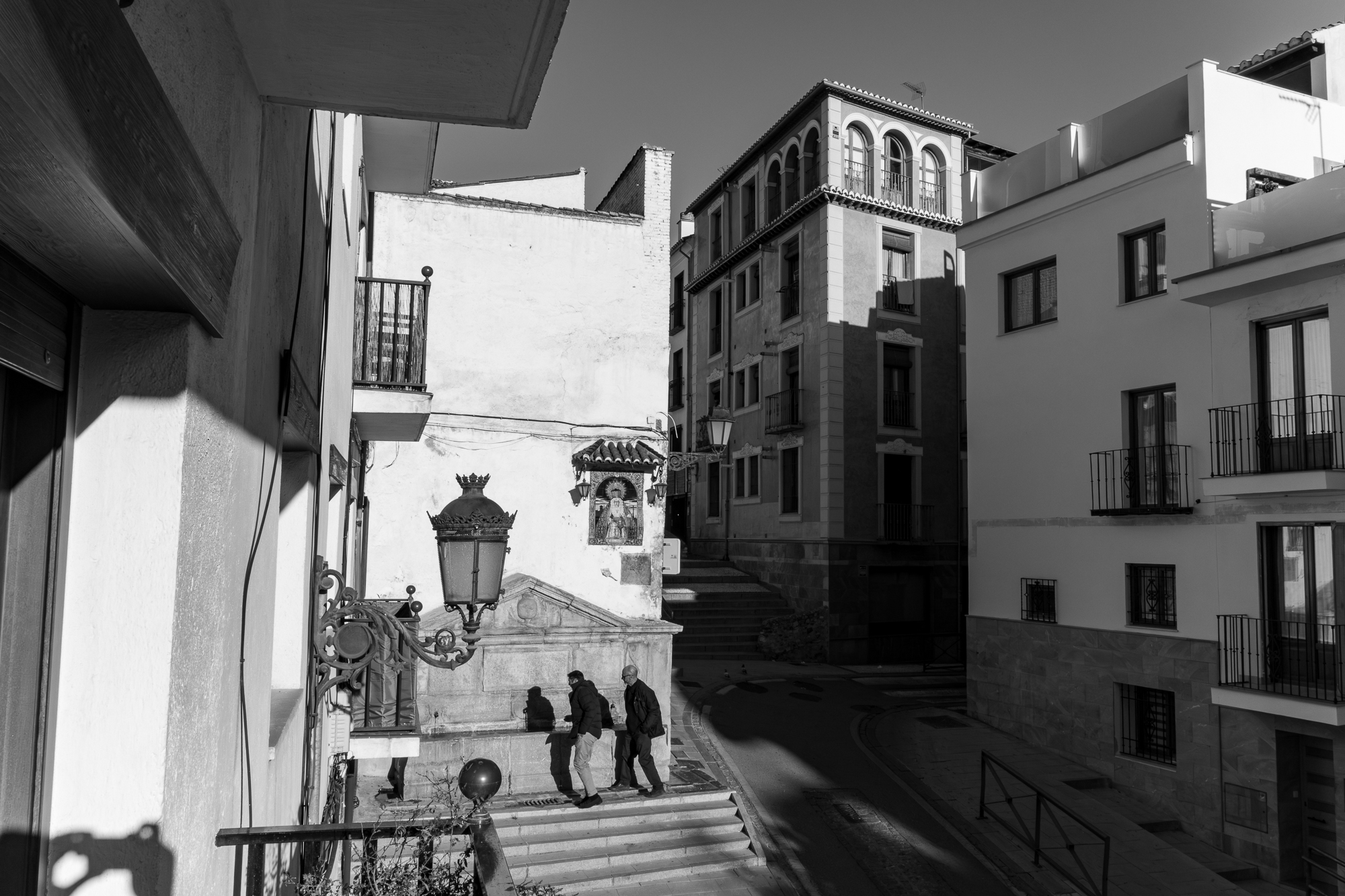
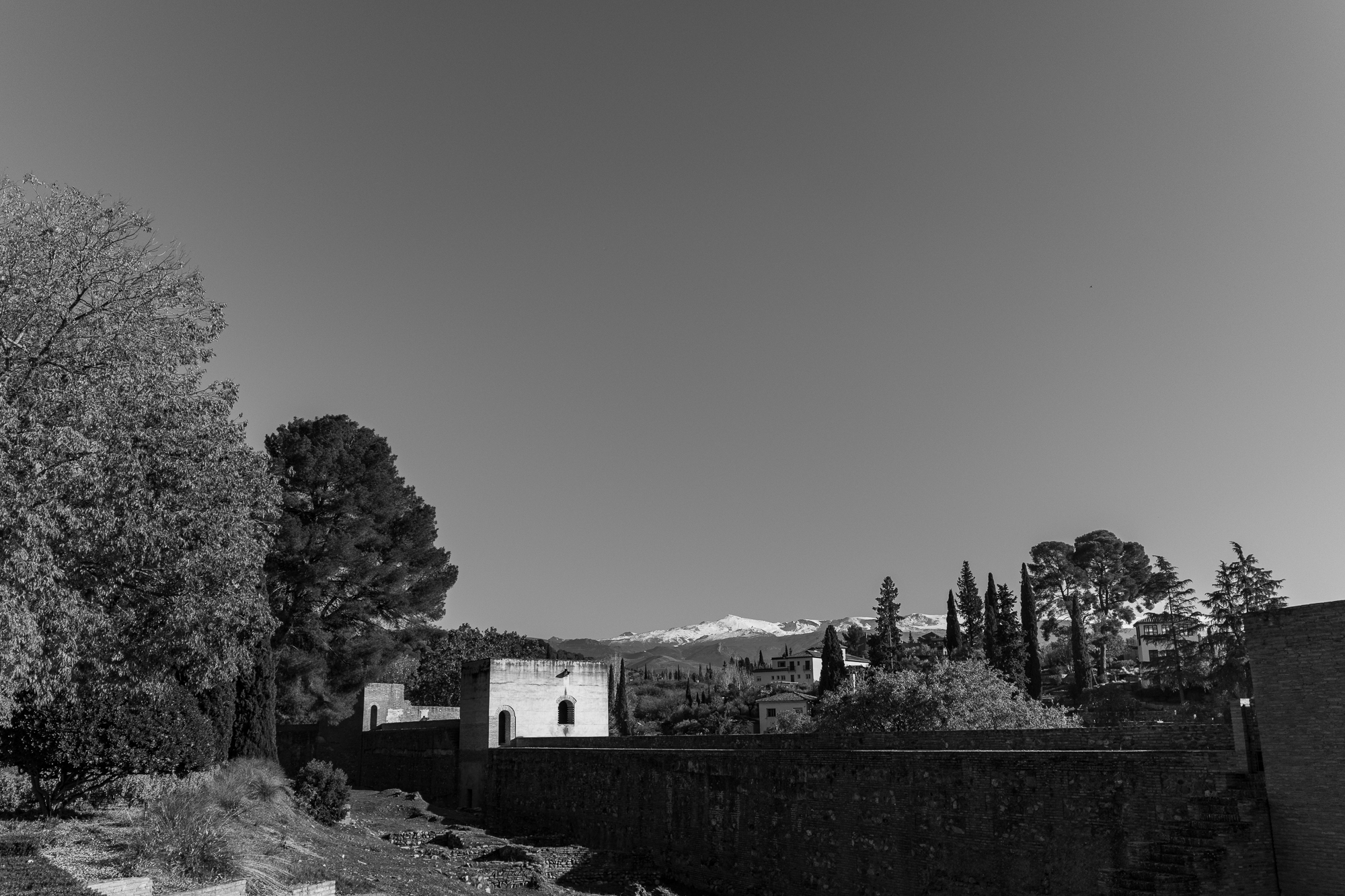
Beyond the palace walls, the influence continues through the Albaicín, Granada’s ancient Moorish quarter. Narrow winding streets, whitewashed houses, hidden cármenes, and elevated viewpoints echo the urban planning traditions of Islamic cities, designed for privacy, climate control, and community. From these hills, the Alhambra rises above the city like a quiet guardian, its presence both commanding and contemplative.
Granada’s Islamic architectural heritage is not merely ornamental, it is poetic. It tells stories of a time when art, faith, and science were deeply intertwined, and when beauty itself was considered a form of devotion. In Granada, this legacy endures, offering visitors not just something to admire, but something to feel — a timeless elegance that continues to shape the city’s identity.