Misan Harriman
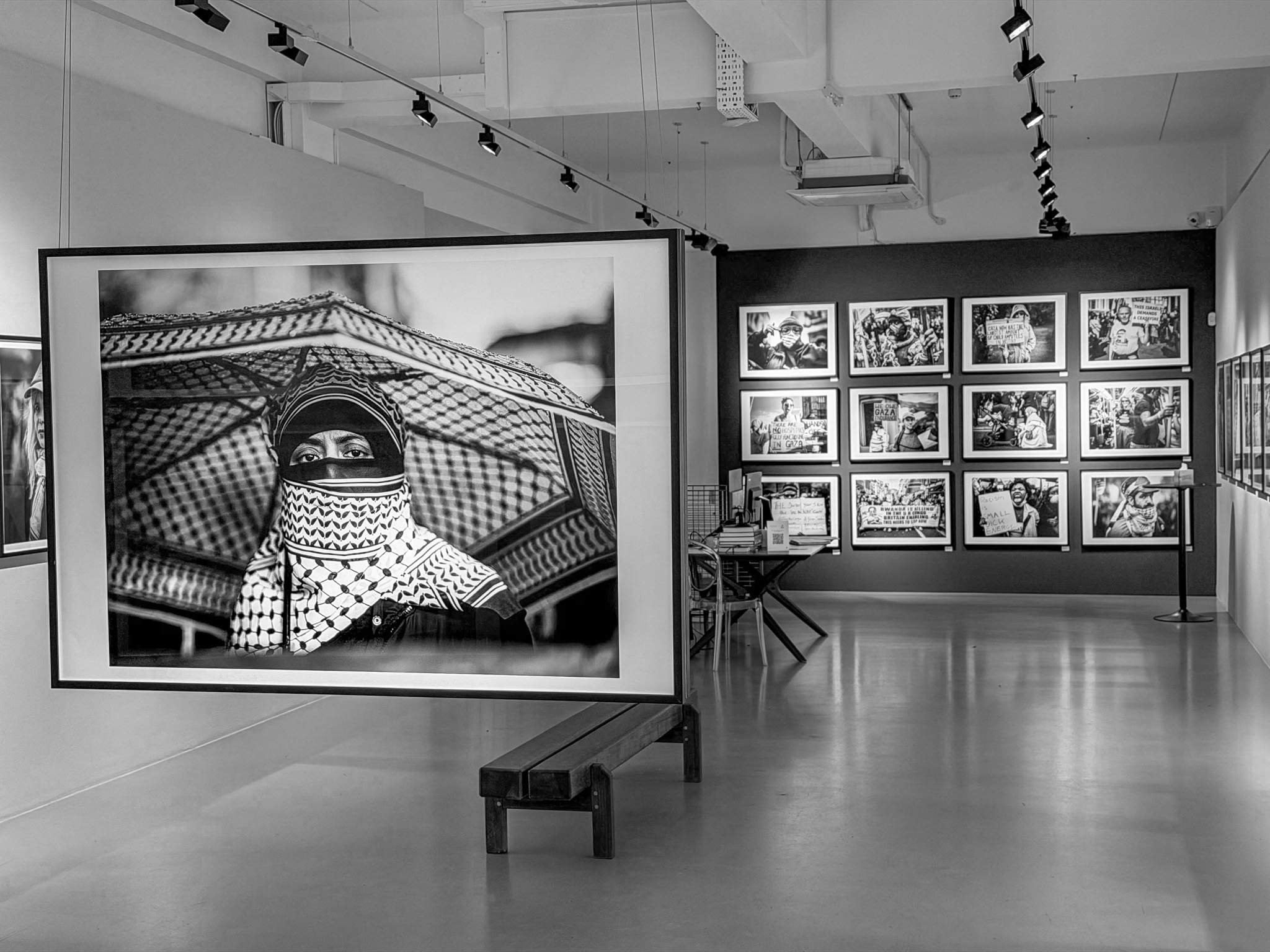
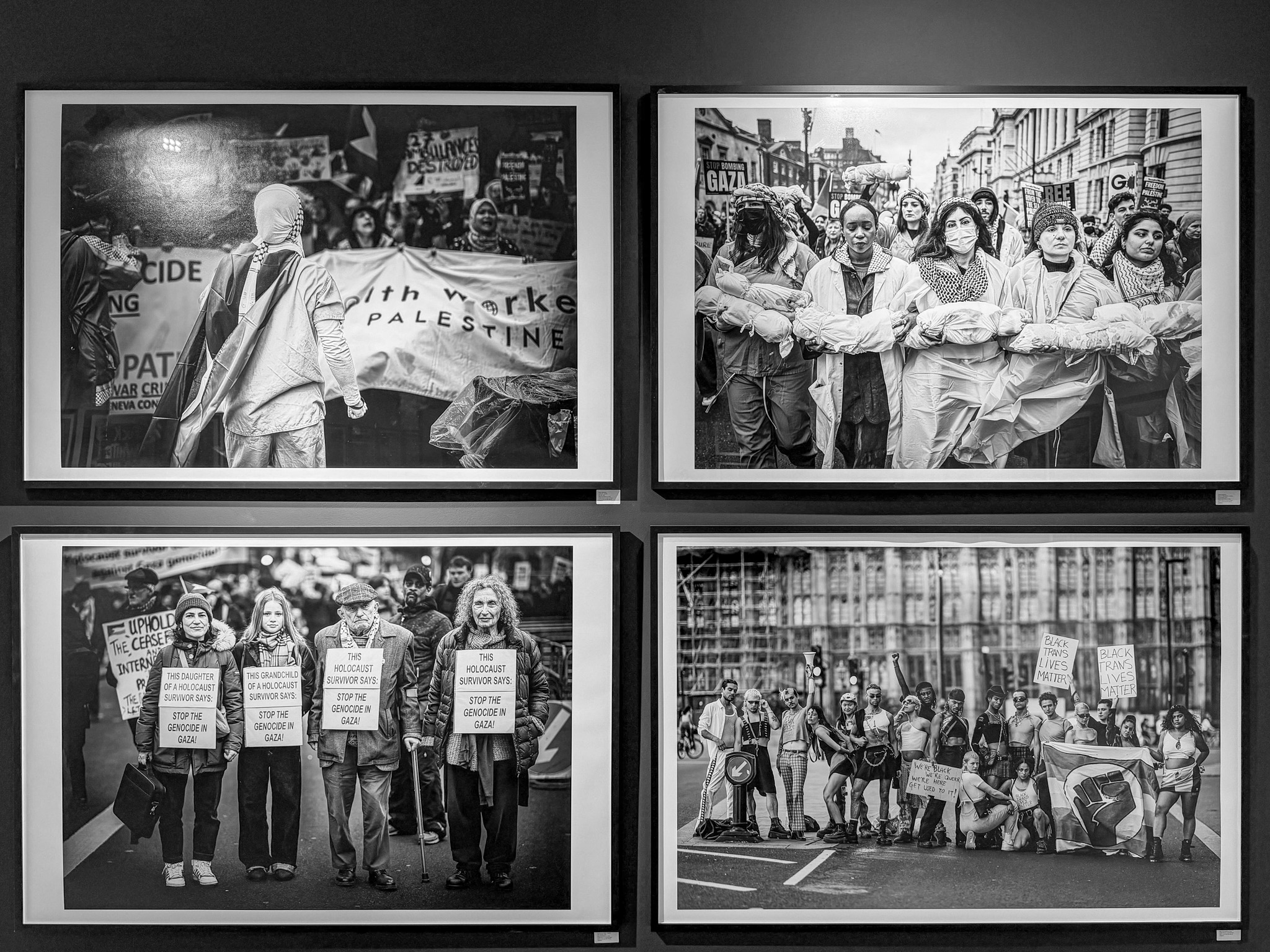
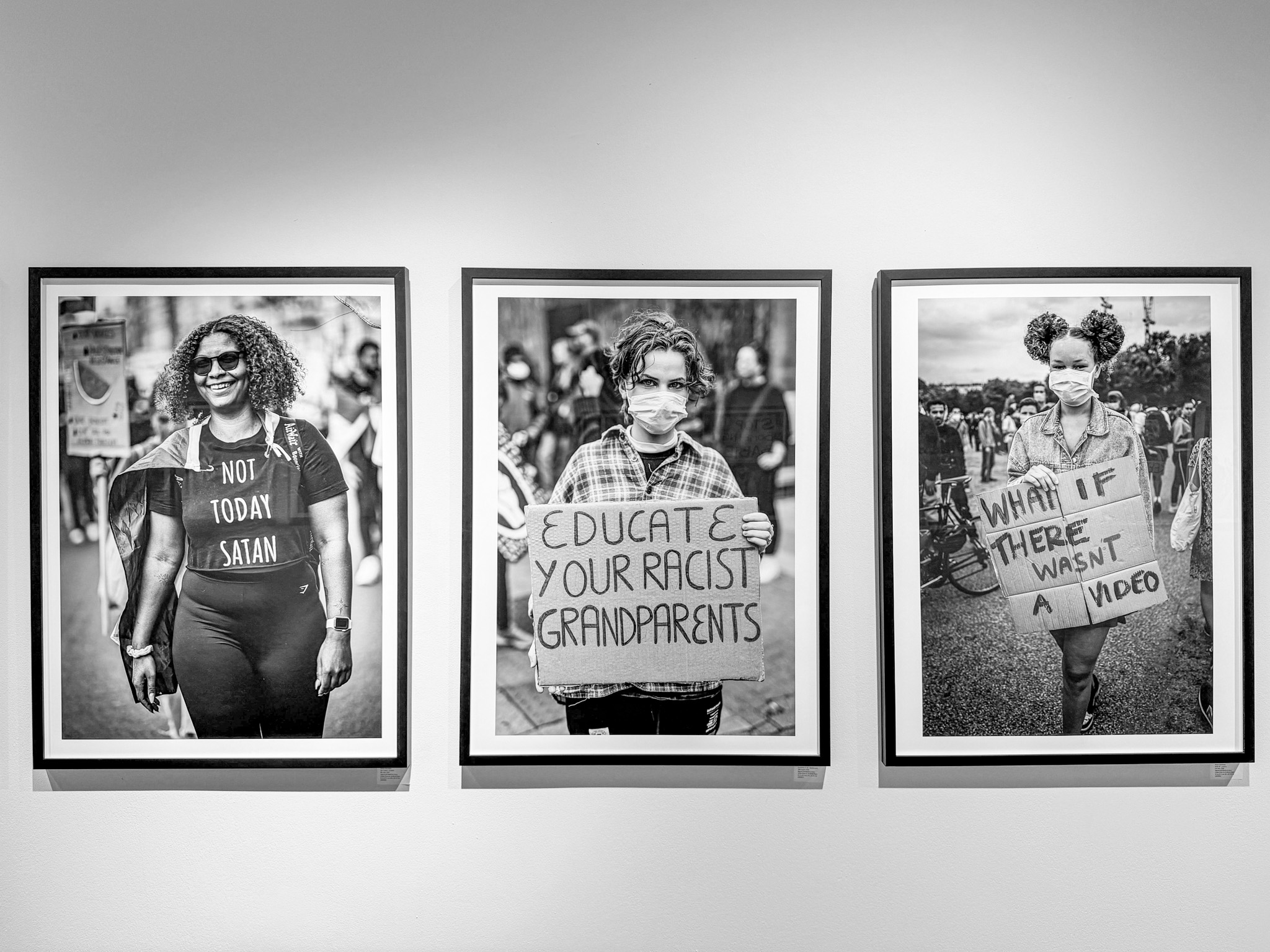
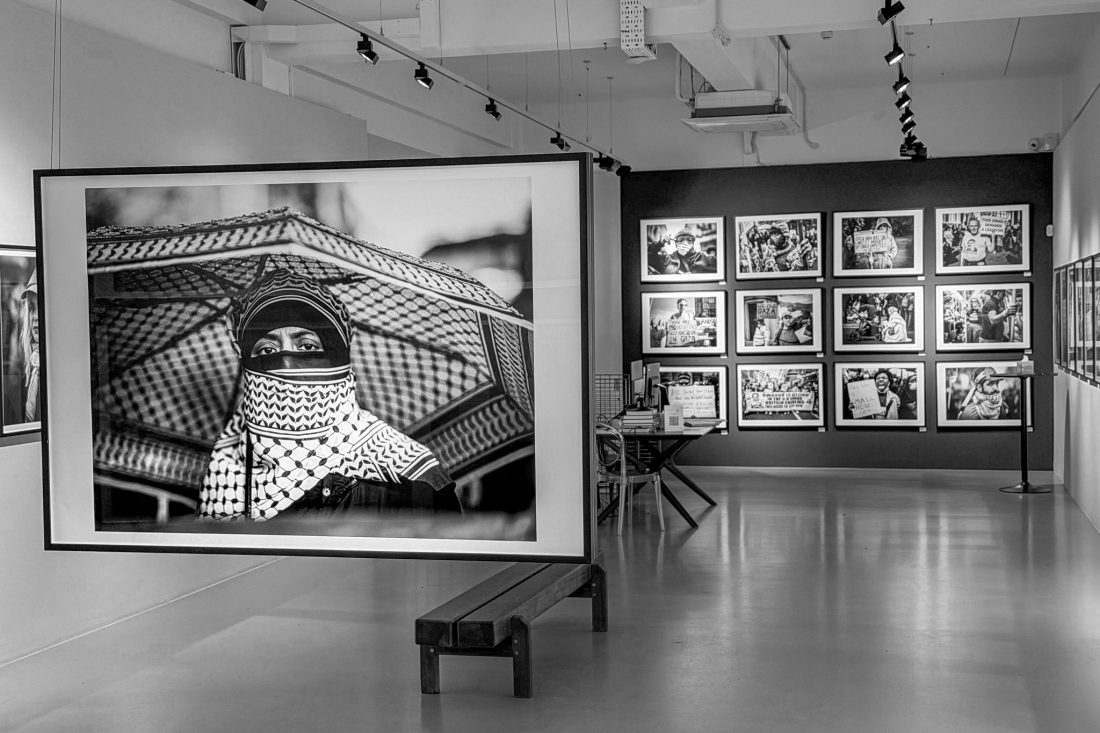
I had the great pleasure of seeing Misan Harriman’s powerful work at Hope 93 gallery documenting the Pro-Palestine marches, which have regularly taken place in London since the outbreak of the war between Israel and Palestine. Through his lens, Misan captures not only the sheer scale of the gatherings but also the deeply human stories within them. His photographs convey the true essence of the marches — the passion, the unity, and the urgency behind the cause.
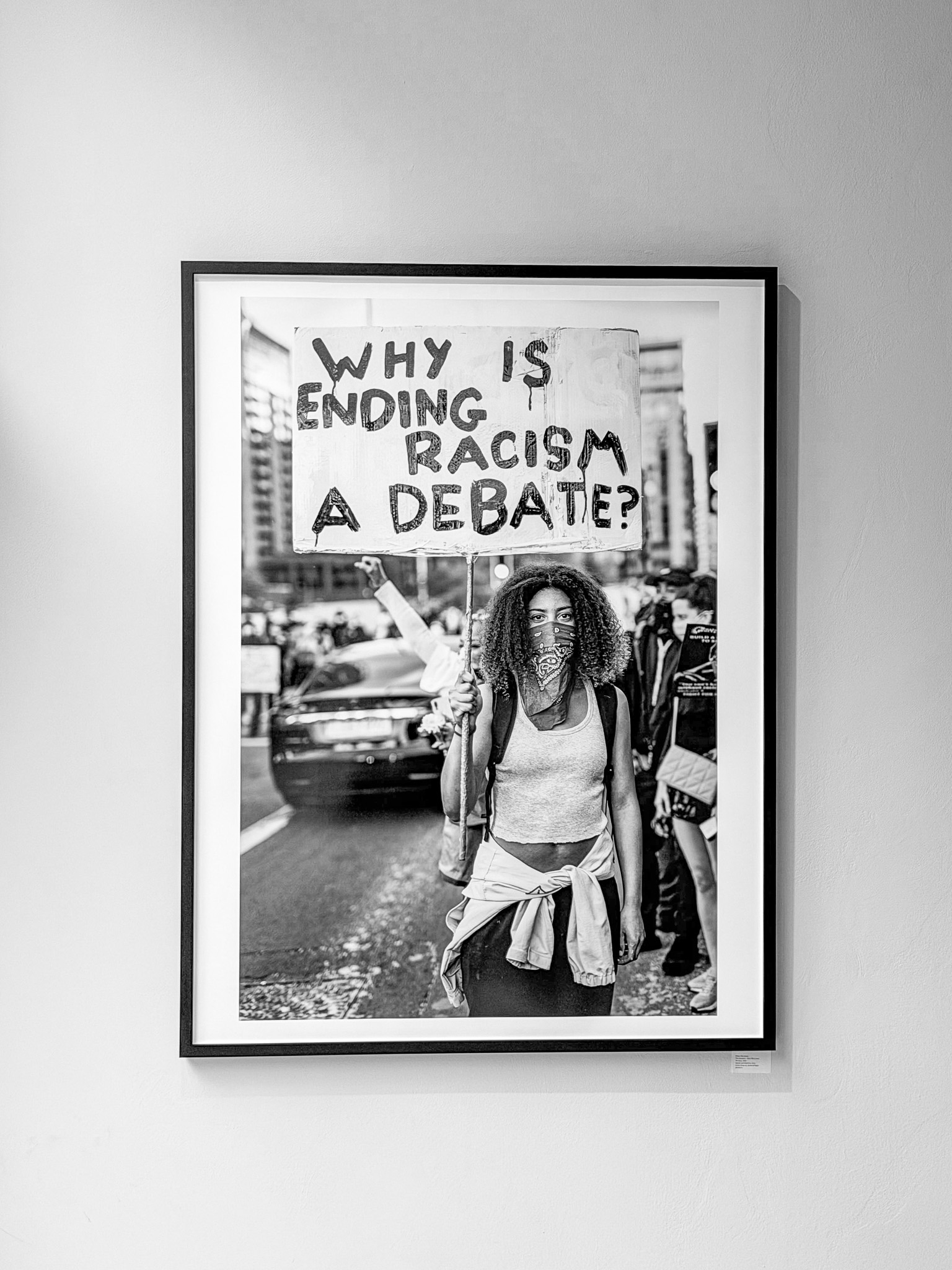
What makes his work so impactful is the way he visually projects the demonstrators’ voices, translating their chants, placards, and emotions into images that resonate far beyond the streets. In doing so, he gives form to the messages that protesters are directing toward the UK government, demanding attention, accountability, and change. His photography becomes more than documentation; it is a bridge between activism and the wider public, amplifying the sentiments of those marching and ensuring their calls are neither ignored nor forgotten.
About Misan Harriman – Misan Harriman is a Nigerian-born British photographer, creative director, and cultural commentator who has become one of the most prominent voices in contemporary photography.
He first gained wide recognition for his striking images documenting the Black Lives Matter protests in London in 2020, which were published globally and marked him as a significant visual storyteller of social change. Harriman’s style often combines portraiture with storytelling, highlighting themes of identity, race, culture, and activism.
Beyond protest photography, he has photographed some of the most well-known public figures, including celebrities, artists, and members of the British royal family. In 2020, he became the first Black photographer to shoot the cover of British Vogue in its 104-year history, with a special issue celebrating activists.
Harriman is also a champion for diversity and representation in the creative industries, utilising his platform to mentor young artists and advocate for greater inclusion. He has worked as the Chair of the Southbank Centre in London, the UK’s largest arts centre, further cementing his influence across art and culture.
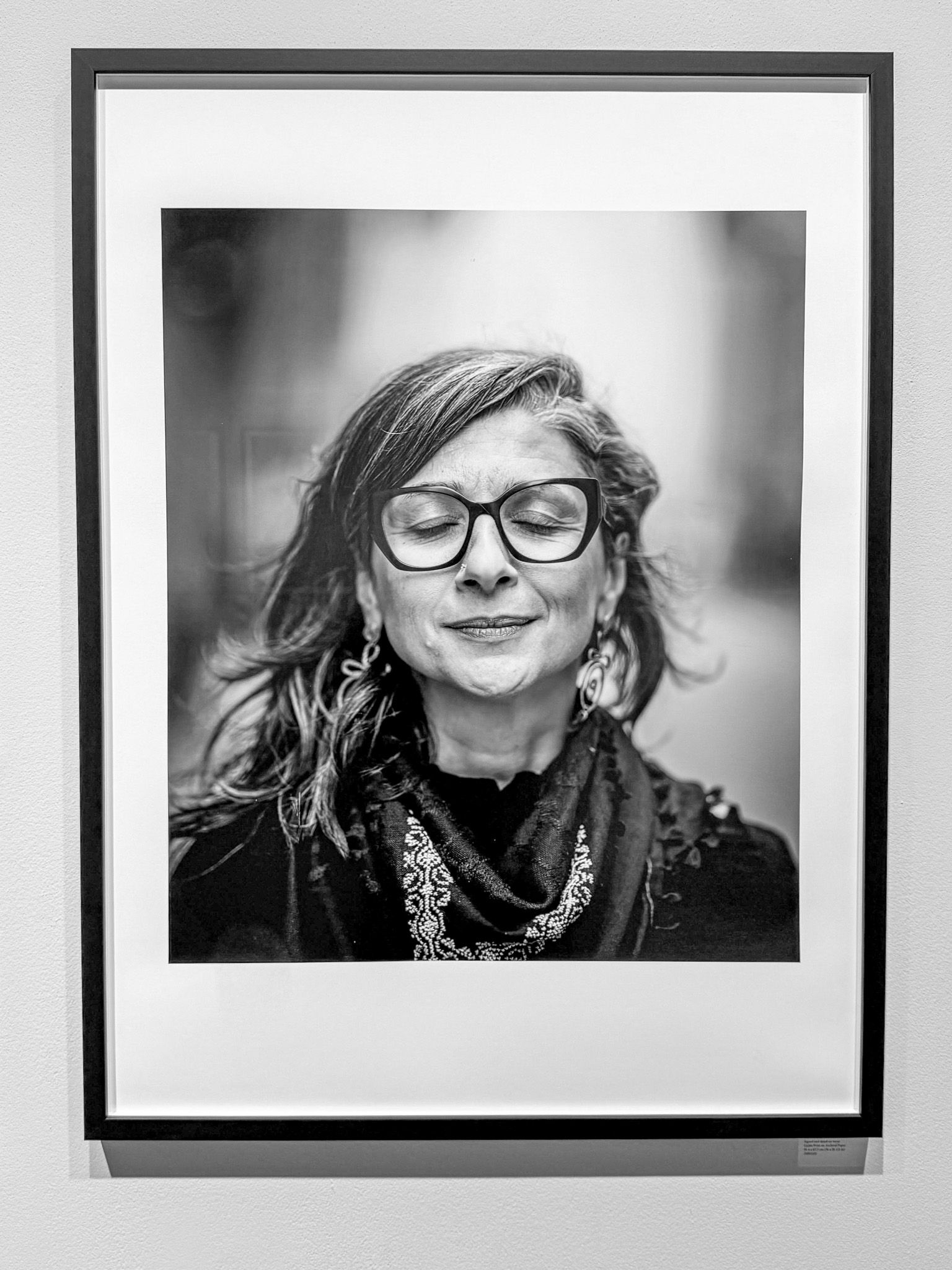
His photography is recognised for its emotional honesty, cinematic quality, and focus on humanity, whether he’s capturing a global protest or an intimate portrait.